

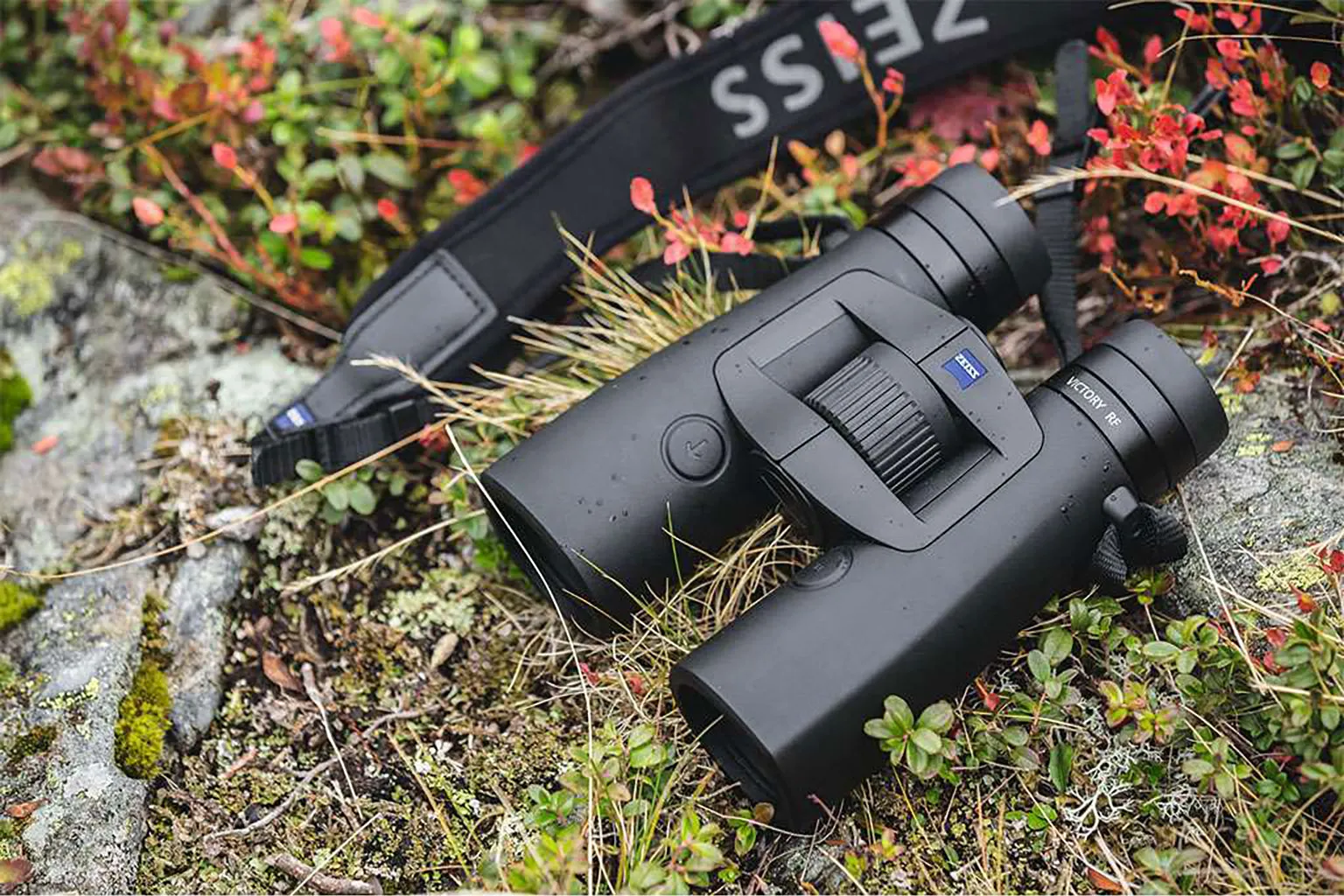
Welcome to the definitive guide on binoculars with rangefinder technology! Whether you're an avid hunter, a dedicated golfer, a precise long-range shooter, or a meticulous nature observer, the integration of binoculars and a rangefinder into a single, compact device offers unparalleled convenience and accuracy.
Gone are the days of fumbling with two separate tools; modern binoculars with rangefinder units provide clear magnification and precise distance measurement at the click of a button.
This guide is designed to be your comprehensive resource, demystifying the technology behind these innovative optics. We'll explore their benefits, delve into the key features that define their performance, and help you understand how to choose the perfect pair for your specific needs.
From the basic principles of operation to advanced considerations, prepare to embark on a journey that will illuminate the world of binoculars with a rangefinder and empower you to make an informed decision.
The Synergy of Sight and Distance: What Are Binoculars with Rangefinder?
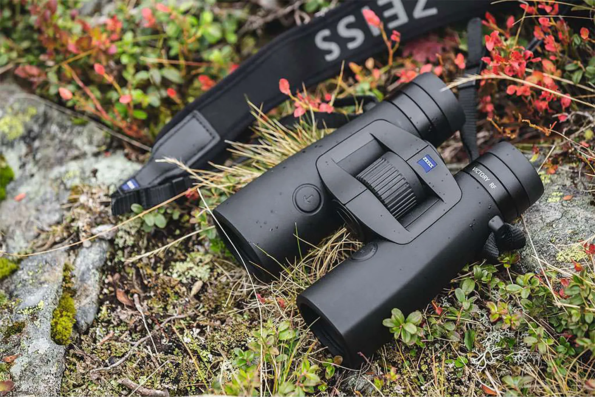
At their core, binoculars with a rangefinder are a marvel of optical engineering. They combine the traditional function of binoculars, providing magnified, stereoscopic views of distant objects, with the sophisticated capability of a laser rangefinder.
A laser rangefinder works by emitting a laser pulse, measuring the time it takes for that pulse to reflect off a target and return to the device, and then calculating the distance based on the speed of light. This distance is then typically displayed within the binocular's field of view, often overlaid on the image you're seeing.
This integration offers a significant advantage. Instead of carrying separate binoculars for observation and a handheld rangefinder for measuring distances, you have a single unit that performs both tasks seamlessly.
This not only reduces the amount of gear you need to carry but also streamlines your workflow, allowing for quicker and more efficient target acquisition and distance assessment. For anyone whose activities rely on precise distance knowledge alongside clear observation, binoculars with a rangefinder are an indispensable tool.
Why Choose Binoculars with Ra Angefinder? Unlocking Their Unique Benefits
The benefits of opting for binoculars with a rangefinder extend far beyond mere convenience. They significantly enhance precision, speed, and overall effectiveness in various applications.
Enhanced Accuracy and Precision
One of the most compelling reasons to invest in binoculars with a rangefinder is the unparalleled accuracy they offer. Traditional methods of estimating distance are prone to human error and environmental factors.
Laser rangefinders, however, provide precise digital readouts, often down to a single yard or meter. This accuracy is critical for ballistic calculations in shooting, judging club selection in golf, or assessing distances for scientific observation.
Streamlined Operations and Speed
Imagine spotting a deer in dense woods. With separate devices, you'd first observe with binoculars, then lower them, grab your rangefinder, locate the target again, take a reading, and then perhaps raise your binoculars again.
With binoculars with a rangefinder, this process is condensed into a single, fluid action. You observe, aim the reticle, press a button, and the distance is displayed almost instantly. This speed can be the difference between success and failure in time-sensitive situations.
Reduced Gear and Improved Portability
Carrying less gear is always a plus, whether you're trekking through rugged terrain or navigating a golf course. A single unit replaces two, reducing bulk and weight in your backpack or range bag. This improved portability makes your outings more comfortable and efficient.
Versatility Across Diverse Applications
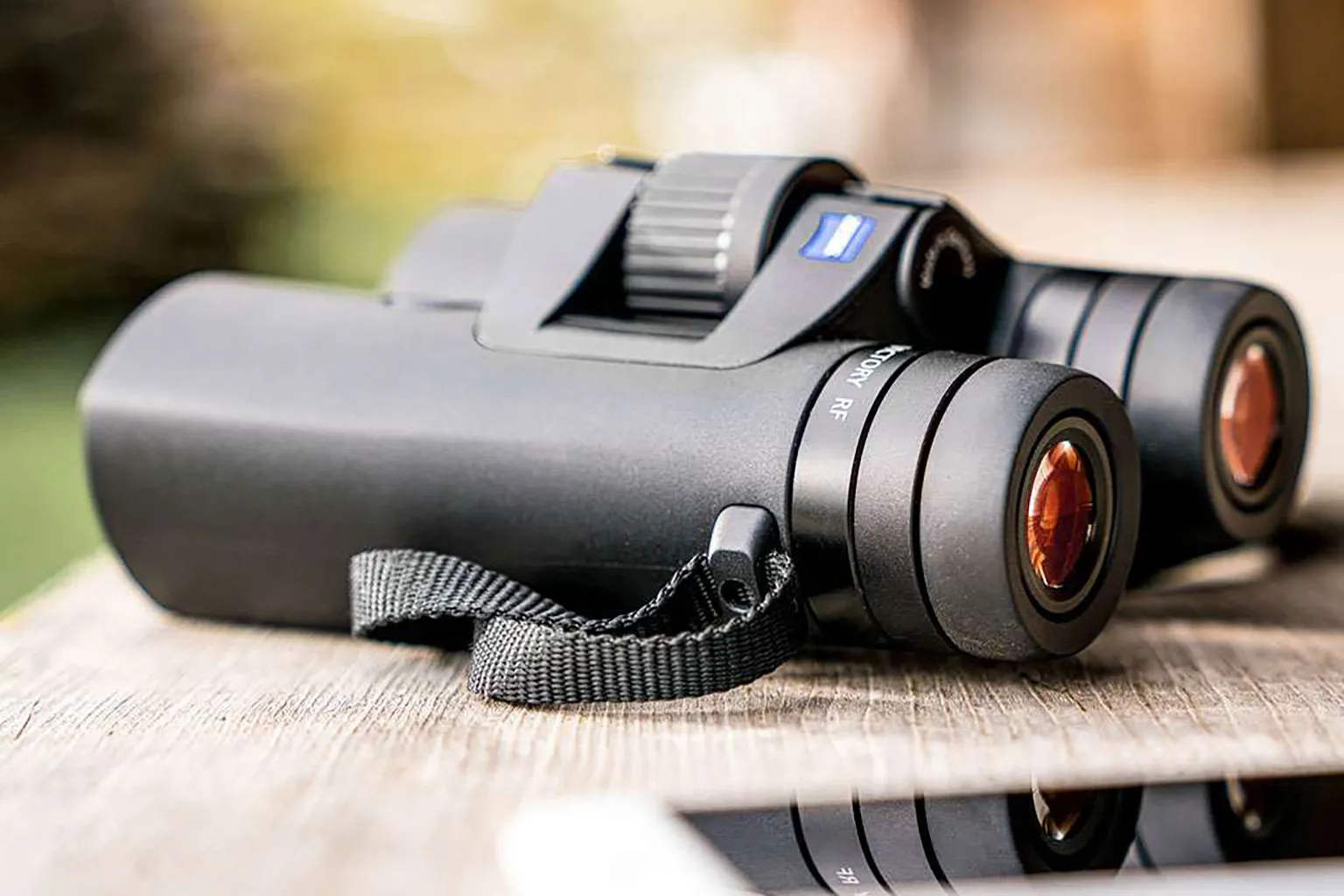
The utility of binoculars with a rangefinder spans a wide array of activities:
- Hunting: Crucial for precise shot placement, especially at longer ranges, by providing exact yardage for bullet drop compensation.
- Golfing: Helps golfers select the correct club by accurately measuring distances to flags, hazards, and layups.
- Long-Range Shooting: Essential for calculating ballistic solutions, windage, and elevation adjustments.
- Astronomy (Specific Use Cases): While not their primary function, some astronomers use them for terrestrial observation or measuring distances to landmarks to establish viewing points.
- Nature Observation/Birdwatching: Useful for documenting distances to subjects for scientific study or simply for personal interest.
- Construction/Surveying: Can be used for quick distance measurements on job sites.
Key Features to Consider When Buying Binoculars with Rangefinder
Choosing the best binoculars with a rangefinder requires understanding the various features that contribute to their performance and suitability for your intended use.
Magnification and Objective Lens Diameter (Optical Performance)
Just like traditional binoculars, these devices come with varying magnifications (e.g., 8x, 10x) and objective lens diameters (e.g., 42mm, 50mm).
- Magnification (e.g., 8x): This number indicates how many times closer the object appears. Higher magnification offers more detail but can lead to a narrower field of view and be harder to hold steady without a tripod.
- Objective Lens Diameter (e.g., 42mm): The size of the front lenses determines how much light enters the binoculars. Larger objective lenses gather more light, resulting in brighter images, especially in low-light conditions, but also make the binoculars heavier and bulkier.
- Exit Pupil: Calculated by dividing the objective lens diameter by the magnification (e.g., 42mm / 8x = 5.25mm). A larger exit pupil provides a brighter image and is more forgiving to align your eyes with, especially in dim light.
Rangefinding Capabilities: Accuracy, Range, and Modes
This is where the "rangefinder" aspect truly shines.
- Maximum Range: This specifies the farthest distance the rangefinder can accurately measure. Be aware that advertised maximum ranges are often for highly reflective targets under ideal conditions. Real-world performance might be less.
- Accuracy: Most quality rangefinders offer accuracy within +/- 1 yard/meter. This is crucial for precise applications.
Measurement Modes:
- Standard Line-of-Sight (LOS): Provides the direct linear distance to the target.
- Angle Compensation (ARC/BOW/Ballistic Modes): Essential for shooting and hunting, this mode calculates the "true horizontal distance" or "compensated distance," accounting for uphill or downhill angles. This is critical because gravity affects projectile trajectory based on horizontal distance, not line-of-sight distance.
- Scan Mode: Allows you to continuously pan across multiple targets and get instant distance readings for each. Useful for ranging moving targets or assessing distances across a landscape.
- Last Target/First Target Priority: Useful in cluttered environments (e.g., woods). "First Target Priority" ranges the closest object (e.g., a branch), while "Last Target Priority" ranges the farthest object (e.g., a deer behind a bush).
Optics Quality: Coatings and Prisms
The quality of the glass and coatings profoundly impacts image clarity, brightness, and color fidelity.
- Lens Coatings: Multi-coated or fully multi-coated lenses significantly reduce glare and maximize light transmission, resulting in brighter, sharper images.
Prism Types (Porro vs. Roof):
- Porro Prisms: Create a wider, often bulkier binocular design, but can offer excellent optical performance and a wider field of view. They are generally more affordable to produce.
- Roof Prisms: Allow for a more compact, streamlined design. High-quality roof prism binoculars often use phase-correction coatings and dielectric coatings to achieve excellent image quality, but they tend to be more expensive.
Durability and Weather Resistance
Given that these devices are often used outdoors, robust construction is vital.
- Waterproofing: Look for models sealed with O-rings and purged with inert gas (like nitrogen or argon) to prevent internal fogging and protect against water immersion. This is critical for use in rain, snow, or humid conditions.
- Fogproofing: Gas purging prevents internal condensation when moving between temperature extremes.
- Armor/Housing: Rubberized armor provides a secure grip, protects against minor impacts, and reduces noise.
Ergonomics and Weight
Comfortable handling is essential, especially during prolonged use. Consider:
- Weight: Lighter binoculars are easier to carry, but heavier ones might feel more stable.
- Balance: A well-balanced binocular feels comfortable in the hand.
- Eyecups and Eye Relief: Adjustable eyecups are crucial for both eyeglass wearers and non-wearers to ensure proper eye relief (the distance from the eyepiece lens to your eye where the full field of view is visible).
Power Source and Battery Life
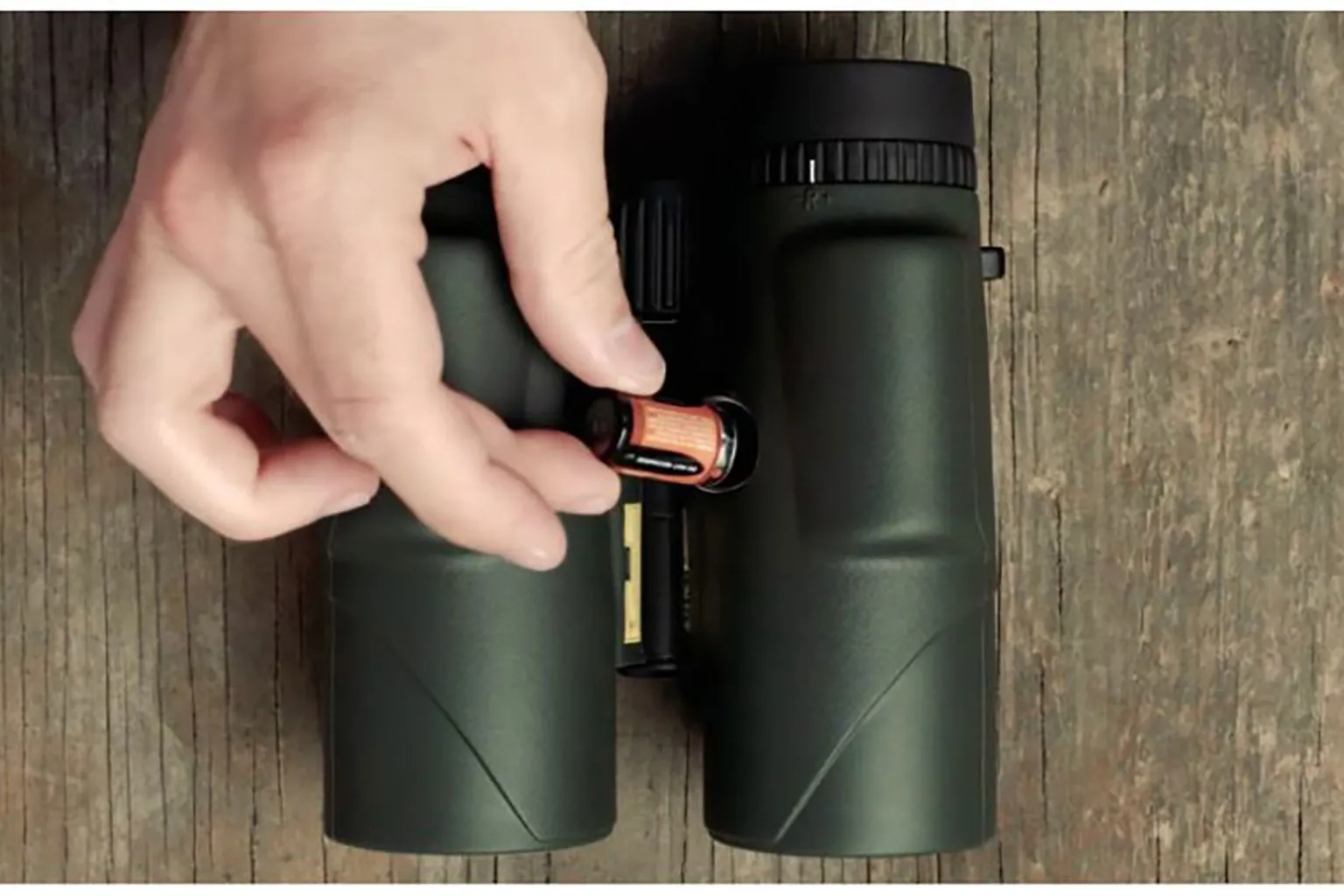
Most binoculars with rangefinders use standard batteries (e.g., CR2, CR123A). Check the expected battery life and consider carrying spare batteries for extended trips. Some advanced models might offer rechargeable options.
Top Contenders: Best Types of Binoculars with Rangefinder
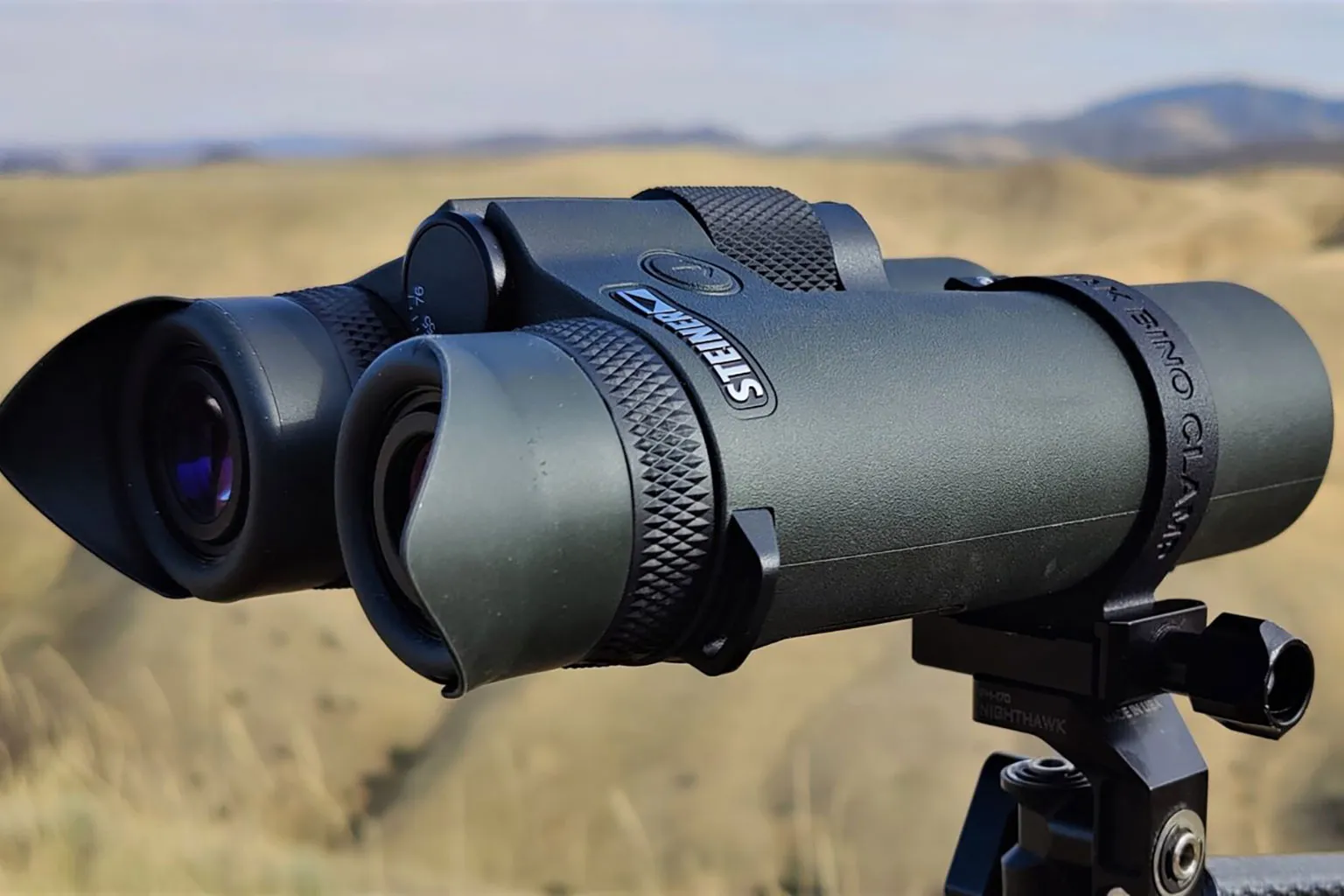
The market for binoculars with a rangefinder is robust, with several manufacturers offering excellent options across different price points and specializations.
While "best" is subjective and depends on your specific needs and budget, here are some widely regarded categories and examples of top performers (always check current models and reviews before purchase, as product lines evolve):
For the Avid Hunter: Precision and Ruggedness
Hunters demand robust construction, excellent low-light performance, and highly accurate angle-compensated ranging.
- Leica Geovid Series: Often considered the gold standard, Leica Geovids offer exceptional optical quality, precise ranging (often out to very long distances), and robust, ergonomic designs. They are a significant investment but deliver top-tier performance.
- Swarovski EL Range: Known for their stunning optics, comfortable ergonomics, and reliable ranging capabilities. Swarovski EL Range models are highly sought after by serious hunters.
- Vortex Fury HD: A popular choice for its balance of features, performance, and value. Vortex Fury HD models offer excellent ranging capabilities, a solid build, and a comprehensive warranty, making them a strong contender for many hunters.
For the Dedicated Golfer: Speed and Simplicity
Golfers typically prioritize quick, accurate readings to the flag, often with slope compensation.
- Bushnell Fusion X: Bushnell has a strong presence in golf rangefinders, and their Fusion X line combines their expertise with quality binocular optics. They often feature quick acquisition and clear displays.
- Sig Sauer KILO Rangefinding Binoculars: Sig Sauer offers a range of KILO models that are versatile for both hunting and golf, providing fast ranging engines and excellent optical clarity.
For Long-Range Shooting Enthusiasts: Advanced Ballistic Solutions
Long-range shooters need not just distance but also complex ballistic data integration.
- Leica Geovid PRO: These advanced models often integrate with ballistic apps via Bluetooth, providing holdovers and windage solutions directly in the reticle, a game-changer for extreme long-range shooting.
- Vortex Razor HD 4000/5000: While primarily known for standalone rangefinders, Vortex's higher-end rangefinding binoculars offer impressive ranging capabilities suitable for long-range target acquisition.
For General Purpose and Nature Observation: Clarity and Versatility
For those who need a solid all-rounder for birdwatching, hiking, or general observation.
- Maven B.3/B.6 Series (with Integrated Rangefinder option): Maven offers high-quality optics, and some of their binocular lines can be paired with integrated rangefinding capabilities, providing excellent clarity and durable construction suitable for various outdoor activities.
- Athlon Cronus/Midas Rangefinding Binoculars: Athlon Optics offers compelling options that provide a good balance of features and performance for their price point, making them accessible for a broader range of users.
Tips for Using Your Binoculars with Rangefinder
Once you've chosen your ideal binoculars with a rangefinder, understanding how to use them effectively will further enhance your experience.
Proper Holding Technique
For stable viewing and accurate ranging, hold your binoculars with both hands, bracing your elbows against your body or using a tripod. This minimizes shake, especially at higher magnifications, ensuring a clear view and a steady laser beam for ranging.
Ranging in Different Conditions
- Reflective Targets: The rangefinder will perform best on highly reflective surfaces.
- Non-Reflective Targets: Ranges might be shorter or require more attempts on non-reflective surfaces like dark wood or soft earth.
- Environmental Factors: Rain, fog, or heavy snow can scatter the laser beam, reducing the effective range. Haze and heat shimmer can also affect readings.
- Angle Compensation: Always activate angle compensation (if available) when ranging targets on inclines or declines for accurate horizontal distance.
Eye Relief and Diopter Adjustment
Adjust the eyecups so you see a full, clear circle without black rings. If you wear glasses, keep them on and adjust the eyecups accordingly. Use the diopter adjustment (usually on one eyepiece) to compensate for differences in vision between your eyes, ensuring a sharp image.
Battery Care
Keep spare batteries handy, especially for extended trips. Cold weather can reduce battery life, so consider keeping spares warm.
Cleaning and Maintenance
- Lens Cleaning: Use a soft lens brush or compressed air to remove dust, then a microfiber cloth specifically designed for optics with a cleaning solution if necessary. Avoid rubbing dry lenses, as this can scratch them.
- Body Cleaning: Wipe the body with a damp cloth.
- Storage: Store in a dry, cool place, preferably in their case, to protect them from dust and impacts.
The Future of Field Optics: The Evolution of Binoculars with Rangefinder
The evolution of binoculars with rangefinders is continuous, driven by advancements in laser technology, optics manufacturing, and digital integration. We can anticipate even more sophisticated features in the coming years:
- Improved Ranging Speed and Accuracy: Faster processing and more precise laser emitters will lead to near-instantaneous and even more accurate readings over greater distances.
- Enhanced Ballistic Integration: Seamless connectivity with a wider array of ballistic calculators and weather stations, perhaps even displaying real-time wind data within the reticle.
- Augmented Reality (AR) Overlays: Imagine seeing not just the distance but also target identification, specific animal data, or even trajectory lines overlaid directly onto your view.
- Miniaturization and Weight Reduction: As technology becomes more compact, we can expect lighter, more pocket-friendly designs without sacrificing performance.
- Advanced Image Stabilization: Built-in image stabilization could become more common, offering rock-steady views even at high magnifications or in challenging conditions.
These advancements will further solidify the position of binoculars with a rangefinder as an indispensable tool for professionals and enthusiasts alike, pushing the boundaries of what's possible in field observation and measurement.
In conclusion, binoculars with rangefinders represent a significant leap forward in optical technology, offering unmatched convenience, precision, and versatility. By combining crystal-clear magnified views with accurate laser distance measurements, they empower users across various disciplines, from the hunter needing a precise shot to the golfer mastering the course, and the astronomer identifying distant objects.
Understanding the key features, such as optical quality, rangefinding modes, and durability, is paramount to selecting the right device for your specific needs.
With leading brands continually pushing the boundaries of innovation, investing in a quality pair of binoculars with a rangefinder is an investment in enhanced performance and a more efficient, enjoyable experience in the field. Choose wisely, and prepare to see the world with newfound clarity and precision, knowing the exact distance to everything you observe.
FAQ
1. What is the Main Advantage of Binoculars with a Rangefinder Over Separate Units?
The primary advantage is convenience and speed. You have one integrated device for both observation and distance measurement, eliminating the need to switch between two tools, saving time and reducing gear.
2. Are Binoculars with a Rangefinder Good for Low-Light Conditions?
Their low-light performance depends on the objective lens size and optical coatings, just like regular binoculars. Many high-end models offer excellent low-light capabilities due to large objective lenses and premium glass.
3. How Accurate are the Rangefinders in These Binoculars?
Most quality rangefinders in binoculars are highly accurate, typically within +/- 1 yard or meter. This precision is sufficient for most hunting, shooting, and golfing applications.
4. What's the Typical Battery Life for Binoculars with a Rangefinder?
Battery life varies by model and usage, but many can provide thousands of range cycles on a single battery. It's always wise to check the manufacturer's specifications and carry a spare battery for extended trips.
No Comments