

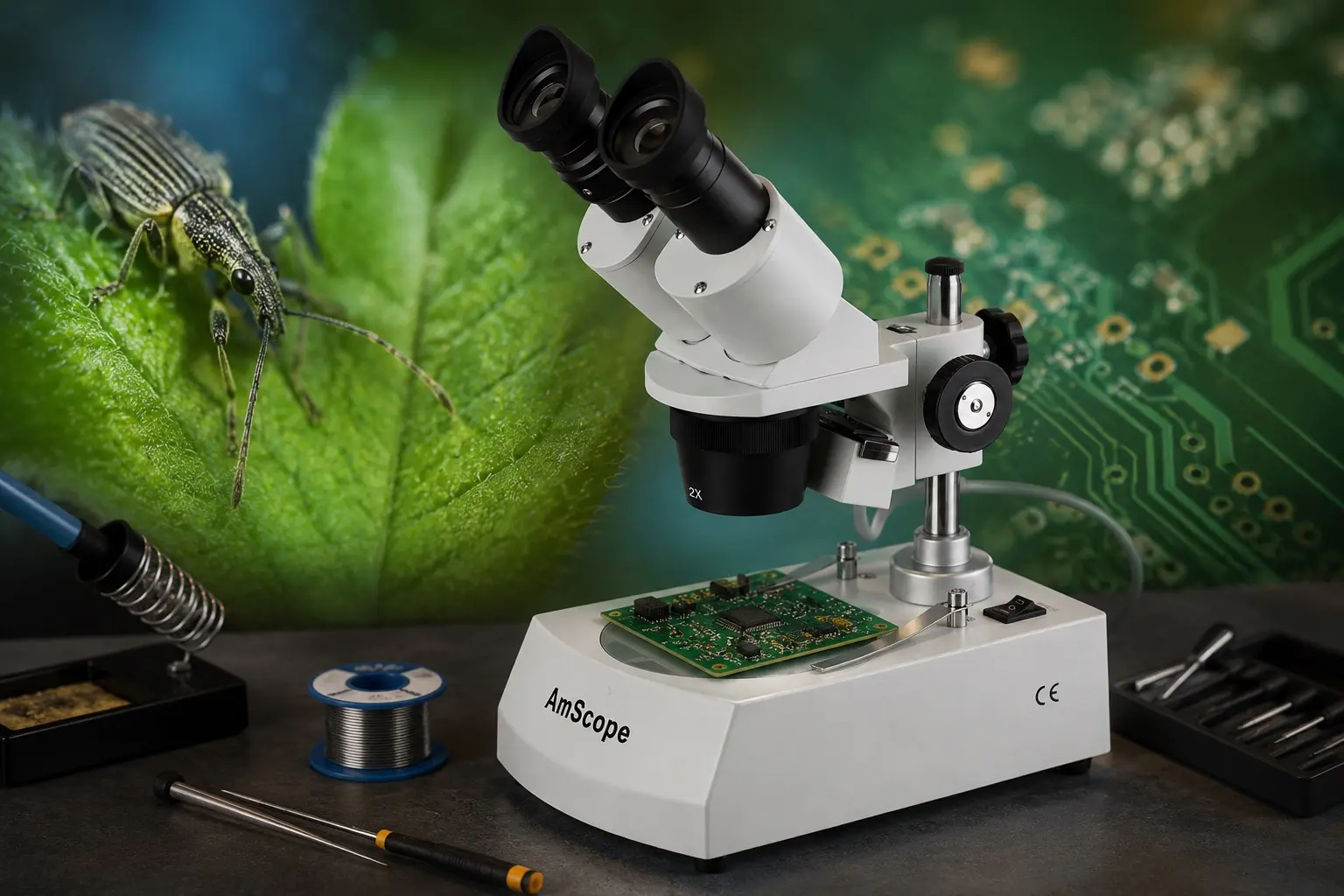
AmScope SE306R-P20: One Microscope, Infinite Possibilities
In the world of precision optics, there is often a trade-off between specialized performance and everyday utility. Usually, an instrument is either a high-end industrial tool or an educational toy—rarely both. The AmScope SE306R-P20 Stereo Microscope is the rare exception that defies these categories.
From the delicate inspection of a 17th-century gold coin to the high-stakes repair of a modern smartphone motherboard, the SE306R-P20 provides the "eyes" required for the world’s most intricate tasks. It is not just a piece of laboratory equipment; it is a fundamental tool for the curious, the meticulous, and the professional.
The Power of Three-Dimensional Vision
The magic of the SE306R-P20 lies in its ability to bring the "macro" world into stunning, three-dimensional focus. While traditional compound microscopes flatten a specimen onto a slide, this stereo powerhouse preserves the depth, texture, and topography of your subject. When you look through the Widefield eyepieces, you aren't just looking at a flat image—you are stepping into a landscape.
The world looks completely different when viewed through a stereo microscope.
Unlike traditional biological microscopes that are designed primarily for transparent slides and very high magnifications, stereo microscopes are made for observing real three-dimensional objects. Instead of flattening the visual experience into a thin microscopic image, a stereo microscope preserves depth perception and creates a natural, almost tactile view of the subject.
Whether examining insects, inspecting circuit boards, repairing watches, studying minerals, carving jewelry, observing plants, or performing delicate soldering work, a good stereo microscope transforms tiny details into a comfortable and highly usable workspace.
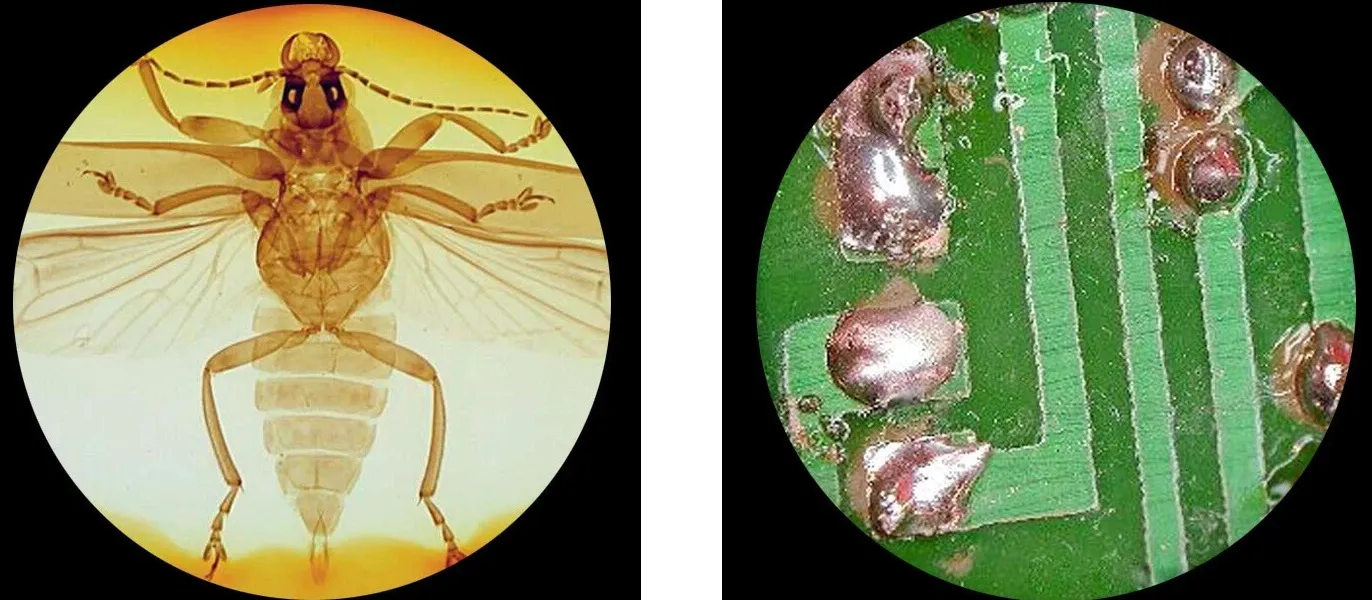
The AmScope SE306R-P20 Stereo Microscope is designed precisely for this kind of observation. It is a compact binocular stereo microscope intended for education, electronics work, hobby inspection, laboratory preparation, and general-purpose three-dimensional viewing. Unlike large industrial stereo microscopes that occupy significant bench space and cost considerably more, the SE306R-P20 focuses on practicality, affordability, and ease of use while still delivering genuine stereo imaging and respectable optical quality.
What makes this microscope particularly interesting is that it occupies a middle ground between toy-level hobby microscopes and expensive industrial inspection systems. It is clearly designed as a real optical instrument rather than a novelty device, but it also avoids the complexity and price of professional research stereoscopes. For many users, this balance is exactly what makes it attractive.
What Is a Stereo Microscope?
Before discussing the microscope itself, it is important to understand what makes stereo microscopes fundamentally different from biological microscopes.
A biological microscope typically uses a single optical path and high magnification to observe thin transparent specimens mounted on slides. These microscopes are optimized for cellular observation and transmitted light microscopy.
Stereo microscopes work differently. They use two separate optical paths — one for each eye — creating a true three-dimensional image. Instead of extreme magnification, stereo microscopes prioritize:
- Depth perception
- Comfortable working distance
- Large field of view
- Natural object visualization
- Manipulation space under the microscope
This makes them ideal for observing solid objects and performing handwork while viewing magnified details. A stereo microscope is not simply for “looking” at objects. In many cases, it becomes a working tool. That distinction is extremely important.
Designed for Practical Observation
The AmScope SE306R-P20 is clearly designed with practical usability in mind. One of its most noticeable features is the forward-oriented binocular head. Instead of positioning the observation area deep inside the microscope body, the optical head places the working area closer to the user. This may seem like a small detail, but it significantly improves comfort during delicate tasks.
Users working on:
- electronics repair,
- soldering,
- engraving,
- specimen preparation,
- jewelry inspection,
- watchmaking,
- or dissection work
often need their hands positioned naturally beneath the microscope. The forward design helps make this possible. This ergonomic layout is one reason stereo microscopes are popular among technicians and hobbyists alike.
Magnification Range and Real-World Use
The SE306R-P20 provides two stereo magnification levels:
- 40x
- 80x
These magnifications are achieved using:
- 20x widefield eyepieces
- 2x and 4x objective lenses mounted on a rotating nosepiece
At first glance, users accustomed to biological microscopes may assume these magnifications are low. However, stereo microscopy operates very differently from biological microscopy. In practice, magnifications around 20x to 80x are ideal for many real-world tasks. Higher magnification is not always beneficial in stereo observation because:
- field of view becomes smaller,
- working distance decreases,
- brightness drops,
- and depth perception becomes more difficult.
The SE306R-P20’s magnification range is intentionally chosen for practical inspection work. At 40x magnification, users can comfortably inspect:
- solder joints,
- insects,
- coins,
- gemstones,
- mineral surfaces,
- electronic components,
- fabrics,
- biological specimens,
- and fine mechanical parts.
At 80x magnification, much finer details become visible while still preserving stereo depth.
Why Stereo Vision Matters
One of the greatest strengths of this microscope is true stereo imaging. Many inexpensive digital microscopes advertise large magnification numbers but provide only flat two-dimensional camera images on a screen. These systems may work for basic inspection, but they lack the natural depth perception that makes stereo microscopes so comfortable and intuitive to use. With the SE306R-P20, both eyes receive slightly different optical information, creating real depth perception.
This becomes extremely important during:
- soldering work,
- manipulating tiny parts,
- biological dissection,
- jewelry handling,
- and precision repair tasks.
Users can judge height, spacing, and positioning naturally. This is one reason experienced electronics technicians and watchmakers still strongly prefer optical stereo microscopes over cheap digital alternatives.

Optical Quality and Viewing Comfort
The microscope uses full optical glass elements rather than low-quality plastic optics. This matters more than many beginners realize.
Good optical glass improves:
- sharpness,
- color accuracy,
- contrast,
- and long-term durability.
The microscope produces upright, correctly oriented stereo images. Unlike some compound microscopes that invert the image, stereo microscopes maintain natural orientation, making manipulation far easier. The viewing experience feels intuitive. The 45-degree inclined binocular head also improves comfort during long sessions. Instead of forcing users to bend directly downward, the angled eyepieces allow a more natural posture. For extended observation work, ergonomics become extremely important.
Interpupillary and Diopter Adjustment
The microscope includes adjustable interpupillary distance from 55 mm to 75 mm. This allows users with different facial structures and eye spacing to align the binocular system comfortably. One eyepiece tube also includes diopter adjustment.
This feature is particularly useful because very few people have perfectly identical vision in both eyes. The diopter adjustment allows one optical channel to compensate for differences between the user’s eyes, resulting in a more relaxed and fatigue-free viewing experience. For users who wear glasses or have mild asymmetry in vision, this adjustment can dramatically improve comfort.
Working Distance: An Important Stereo Microscope Feature
One specification often overlooked by beginners is working distance. The SE306R-P20 offers approximately 53 mm of working distance. This means there is significant physical space between the objective lens and the specimen. Why is this important?
Because stereo microscopes are often used while physically interacting with the object being viewed.
Users may need to:
- solder,
- carve,
- move specimens,
- use tweezers,
- reposition components,
- or perform repairs beneath the microscope.
A comfortable working distance makes these tasks much easier. High-magnification biological microscopes often provide almost no working space, making them unsuitable for manipulation tasks. The SE306R-P20 is specifically optimized for this type of practical use.
Dual Illumination System

- incident (top) illumination,
- and transmitted (bottom) illumination.
This greatly expands the range of observable specimens.
Incident & Transmitted Light
Top lighting (Incident) shines downward onto the object. This mode is ideal for:
- coins,
- rocks,
- insects,
- electronic parts,
- jewelry,
- mechanical components,
- stamps,
- and other opaque objects.
The lighting reveals surface texture and fine details clearly. Bottom illumination (Transmitted) shines upward through the frosted stage plate. This mode is useful for:
- translucent specimens,
- thin biological materials,
- small slide samples,
- and semi-transparent objects.
The ability to switch between illumination modes makes the microscope surprisingly versatile for its size and price category.
Halogen Lighting vs LED Lighting
The microscope uses halogen illumination rather than LED lighting. Modern users sometimes automatically assume LED lighting is superior, but halogen illumination still has advantages.
Halogen bulbs produce:
- smooth light distribution,
- continuous color spectrum,
- and natural color rendering.
This can be beneficial for observing subtle textures and material surfaces. However, halogen lighting also generates more heat and consumes more power than LEDs. For casual users, this difference may not matter significantly. For long-term professional use, some users may eventually prefer LED upgrades for reduced heat and maintenance. Still, the included illumination system performs well for typical stereo microscope applications.
Compact Design and Bench Space
One of the strongest practical advantages of the SE306R-P20 is its compact footprint. Large industrial stereo microscopes can consume considerable workspace. In electronics labs or hobby workstations, bench space is often limited.
This microscope remains compact while still providing:
- binocular stereo viewing,
- mechanical stability,
- dual illumination,
- and usable working distance.
That balance is extremely important for:
- home laboratories,
- classrooms,
- electronics benches,
- and hobby workspaces.
Build Quality and Mechanical Stability
The microscope uses a metal pillar stand and metal mechanical components. This immediately separates it from very cheap plastic stereo microscopes. Mechanical stability matters enormously in microscopy. Even small vibrations become distracting at magnified scales.
The focusing system moves smoothly along the pillar stand and allows controlled positioning of the microscope head. The large focusing knobs are easy to operate and provide reasonably stable movement. This is especially important during precision tasks such as soldering or jewelry work.
Educational Applications
Although the microscope is practical enough for workshop use, it is also highly suitable for education. Stereo microscopes are often more engaging for beginners than biological microscopes because the specimens are familiar and three-dimensional.
Students can examine:
- insects,
- leaves,
- minerals,
- fabrics,
- electronic parts,
- coins,
- and plant structures
without complicated slide preparation. The natural stereo image also makes observation easier and more enjoyable for younger users. For schools, this microscope offers a good balance between durability, usability, and affordability.
Electronics, PCB Inspection, and Soldering
The SE306R-P20 is especially attractive for electronics work. Stereo microscopes have become essential tools in:
- PCB inspection,
- micro soldering,
- electronics repair,
- semiconductor inspection,
- and connector examination.
The forward-oriented head and working distance make hand positioning comfortable beneath the microscope.
At 40x magnification, users can clearly inspect:
- solder bridges,
- damaged traces,
- tiny components,
- cracked solder joints,
- oxidation,
- and connector pins.
Unlike digital microscopes with screen lag and flat images, the stereo optical view provides immediate real-time depth perception. This dramatically improves precision during repair work.
Jewelry, Coins, and Collectibles
Collectors and jewelers can also benefit greatly from this microscope. The stereo view is ideal for examining:
- gemstone surfaces,
- coin details,
- engraving quality,
- stamp texture,
- watch mechanisms,
- and surface imperfections.
The top illumination highlights texture extremely well, making the microscope useful for inspection and authentication tasks.
Biological and Natural Observation
Although not a high-magnification biological microscope, the SE306R-P20 is excellent for observing larger natural specimens. Users can study:
- insects,
- flowers,
- seeds,
- fungi,
- moss,
- shells,
- and small aquatic organisms.
The stereo image makes natural specimens appear almost sculptural in appearance. For hobby naturalists, this type of observation can be remarkably enjoyable.
Can It Replace an Expensive Stereo Microscope?
This is an important question. The answer is: not entirely. High-end stereo microscopes from companies like Leica Microsystems, Olympus Corporation, or Nikon still offer:
- superior optics,
- smoother mechanics,
- better coatings,
- zoom systems,
- and greater precision.
However, these systems can cost several times more. The SE306R-P20 succeeds because it delivers the core stereo microscope experience at a much more accessible price. That makes it attractive for:
- students,
- hobbyists,
- workshops,
- schools,
- repair technicians,
- and many semi-professional users.
Realistic Limitations
No microscope in this price category is perfect. Some advanced users online have noted that certain AmScope models can exhibit mechanical looseness or less refined construction compared to premium laboratory systems. However, it is important to keep expectations realistic relative to price.
The SE306R-P20 is not intended to compete directly with ultra-premium industrial stereoscopes costing thousands of dollars.
What matters is whether the microscope provides:
- stable viewing,
- useful magnification,
- genuine stereo imaging,
- practical usability,
- and acceptable optical quality.
In these areas, it performs well for its intended audience.
Who Is This Microscope For?
The AmScope SE306R-P20 Stereo Microscope is especially suitable for:
- electronics repair technicians,
- students,
- schools,
- watchmakers,
- jewelers,
- hobby microscopists,
- insect collectors,
- coin collectors,
- PCB inspection work,
- soldering applications,
- natural science education,
- and users needing compact stereo observation.
It is particularly valuable for users who want real optical stereo viewing rather than a purely digital microscope experience.
Final Verdict
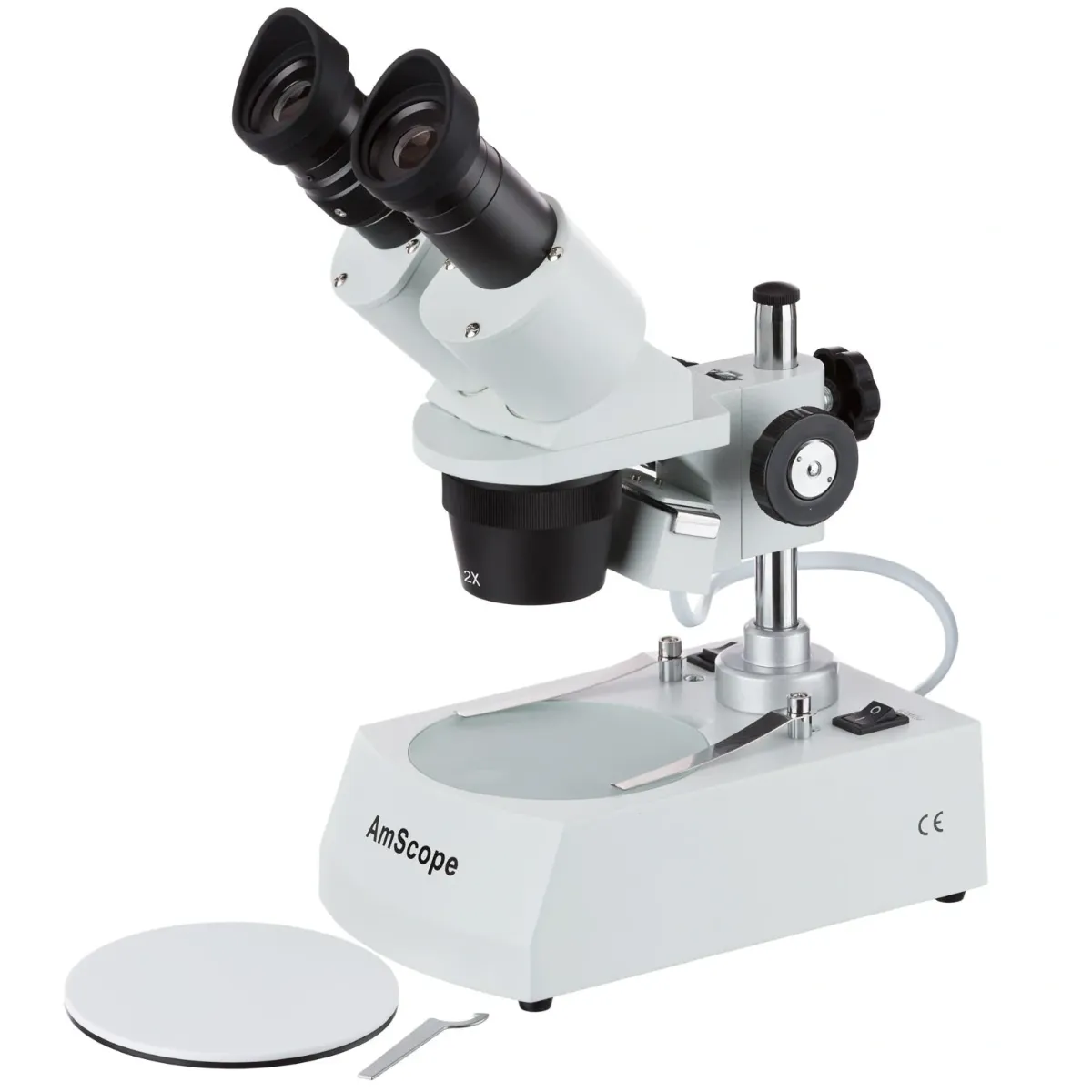
The AmScope SE306R-P20 Stereo Microscope is a practical, versatile, and surprisingly capable stereo microscope that focuses on real-world usability rather than inflated specifications. Its strengths are not extreme magnification or luxury laboratory refinement. Instead, its appeal comes from:
- genuine stereo depth perception,
- practical working distance,
- dual illumination,
- compact design,
- and comfortable hands-on usability.
For electronics inspection, education, jewelry work, biological observation, and hobby microscopy, it offers a strong balance between affordability and functionality. Most importantly, it preserves one of the most enjoyable aspects of stereo microscopy: the feeling of directly exploring tiny three-dimensional worlds with your own eyes.


No Comments