


The universe is vast, ancient, and endlessly beautiful, but to truly see it, you need more than just curiosity; you need the right tools. When you decide to step into the world of amateur astronomy, the first hurdle you encounter isn't the complexity of the stars, but the overwhelming variety of equipment. With hundreds of models available online, identifying the reputable brands of telescopes becomes the single most important step in your journey.
We understand this journey better than anyone. With over 25 years of successful experience in the Iranian market through dubaitelescope.com and 15 years of dedicated service in Dubai, where we are widely recognized as Magic Shop, we have helped countless stargazers find their path.
Our long-standing history in the region ensures that our recommendations are backed by decades of technical expertise and a deep understanding of what astronomers truly need.
Choosing a high-quality brand is the difference between seeing a crisp, breathtaking view of Saturn’s rings and looking at a blurry, frustrating smudge. In this comprehensive guide, we will break down the giants of the industry, explore what makes each of them unique, and help you find the perfect match for your backyard stargazing adventures.
Brands of Telescopes
The market for astronomical equipment is filled with a variety of options, each catering to different needs and experience levels. Understanding the most reputable brands of telescopes is essential because each manufacturer specializes in different optical designs, such as reflectors, refractors, or computerized systems.
If you are just starting your journey into stargazing, it helps to learn about the various Types of Telescopes available to find the one that best suits your goals.
By choosing a well-established brand, you ensure that you are getting high-quality glass, a stable mount, and reliable customer support, which makes the difference between a frustrating experience and a breathtaking view of the cosmos. Below, we explore the top names that have earned the trust of both hobbyists and professional astronomers worldwide.
Celestron: The Global Leader in Innovation
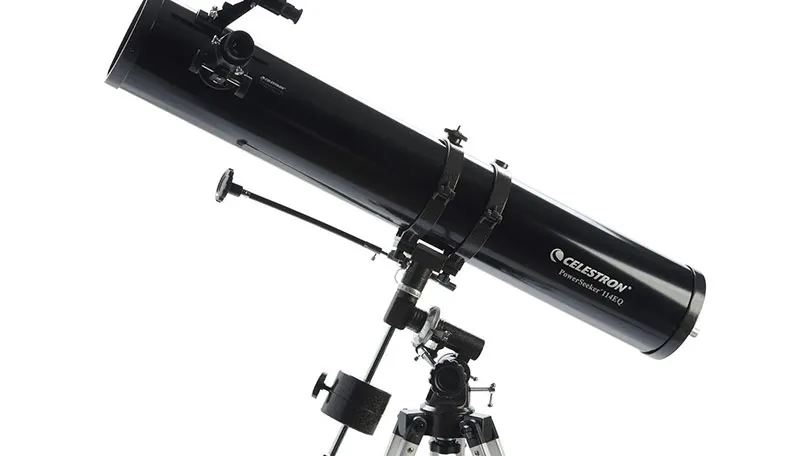
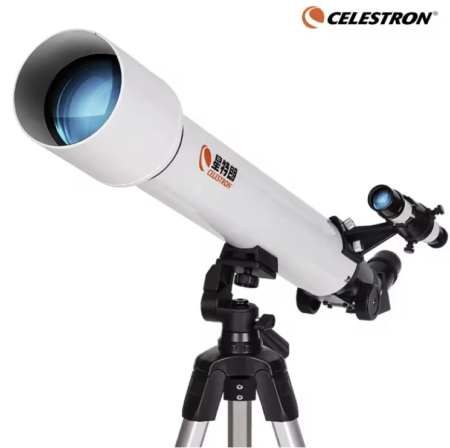
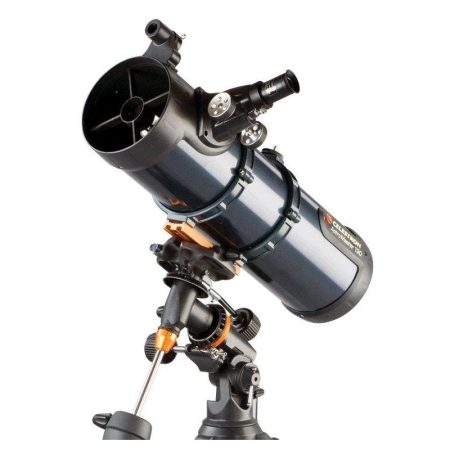
Celestron is widely considered the top name among brands of telescopes because they make high-quality space exploration accessible to everyone. Since the 1960s, they have led the industry with their famous "GoTo" technology and the patented SkyAlign system, which allows beginners to set up their gear in minutes by simply pointing at three bright stars.
Whether you are looking for a simple, budget-friendly model like the PowerSeeker for a child, or a professional-grade setup like the iconic NexStar SE or heavy-duty CPC series, Celestron offers a reliable and innovative solution for every skill level.
Celestron NexStar 8SE Computerized Telescope
The "Big Brother" of the NexStar family, the 8SE is one of the most iconic telescopes in the world. It features a large 8-inch aperture that gathers enough light to see faint deep-sky objects like nebulae and galaxies in stunning detail. Its fully automated "GoTo" system makes finding stars as easy as pushing a button.
-
Best for: Serious beginners and intermediate hobbyists who want a "lifetime" telescope.
Celestron NexStar 6SE Computerized Telescope
A slightly more portable version of the 8SE, the 6SE offers incredible optical clarity in a more compact frame. It strikes the perfect balance between power and portability, making it easy to set up in your backyard or take on a camping trip. If you are looking for high-quality Telescopes that are easy to transport without sacrificing performance, this model is an excellent choice for any stargazer.
-
Best for: Those who want high-end performance but need something easier to carry.
Celestron NexStar 90SLT Computerized Telescope
The 90SLT is a fantastic entry point into the world of computerized stargazing. It is lightweight, affordable, and comes with a database of over 4,000 celestial objects. It’s perfect for families who want to explore the sky together without the frustration of manual tracking.
-
Best for: Beginners and families looking for an easy-to-use digital telescope.
Sky-Watcher: The Value King
Unlike many entry-level telescope brands that focus mainly on affordability, Sky-Watcher has built its reputation by offering a rare balance between price, optical performance, and mount stability. The brand is especially respected for its Dobsonian reflectors, which provide large apertures at significantly lower prices compared to premium competitors, making deep-sky observing far more accessible for beginners and intermediate astronomers.
Sky-Watcher also stands out for the quality of its EQ and GoTo mounts, which are considered more stable and reliable than many similarly priced alternatives on the market. Their refractors, such as the EvoStar series, are highly valued for planetary viewing and beginner astrophotography thanks to their sharp contrast and solid build quality.
While these ground-based tools are excellent for hobbyists, they utilize different technology than specialized space-based instruments like the James Webb Space Telescope, which captures infrared light from the furthest reaches of the universe.
However, while Sky-Watcher delivers excellent value, some models can be bulkier and less refined in finish compared to premium brands like Vixen or William Optics, especially for users seeking ultra-lightweight portability or luxury-level optical craftsmanship.
Sky-Watcher Skymax 127 OTA
This telescope uses a Maksutov-Cassegrain design, which is famous for providing razor-sharp views of the Moon and planets. It is very compact for its power level, making it a favorite for city observers who have limited space but want to see the details of Jupiter's clouds or Saturn's rings.
-
Best for: Planetary viewing and high-contrast lunar observations.
Vixen: Japanese Precision
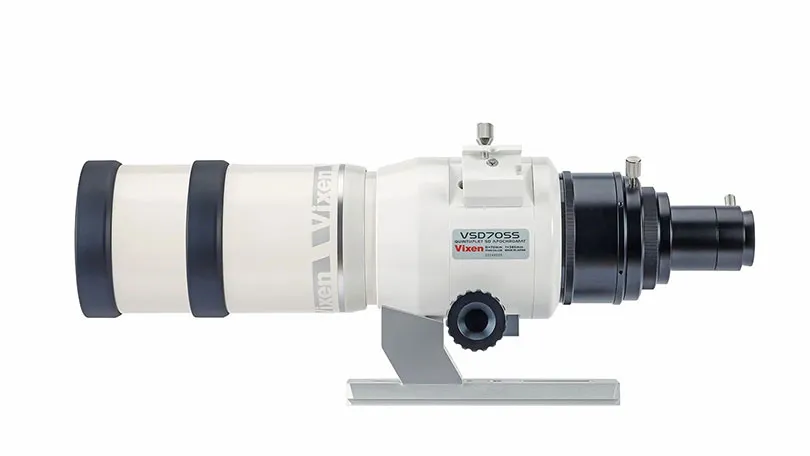
For enthusiasts who prioritize exquisite craftsmanship and portability, Vixen is one of the most respected brands of telescopes in the industry. Based in Japan, this manufacturer is legendary for inventing the "Vixen-style" dovetail mount, a design so effective it has become the universal standard used by almost every other telescope company today.
Vixen specializes in high-end refractors and their innovative "Sphinx" mounts, which are engineered to be significantly lighter and more compact than many American or Chinese alternatives. This focus on precision and weight reduction makes them the premier choice for "grab-and-go" astronomers who frequently travel to remote, dark-sky locations in search of the perfect view.
William Optics Mini Cat 51 mm
For those interested in the art of taking photos of the stars (astrophotography), the Mini Cat 51 is a masterpiece of Japanese glass and engineering. If you are searching for the ideal Telescope for Astrophotography, this model is a top choice. It is tiny but incredibly powerful, designed specifically to capture wide, crisp images of the Milky Way and distant nebulae.
-
Best for: Aspiring astrophotographers and travelers.
PlaneWave Telescopes: Premium Choice for Advanced Astronomy
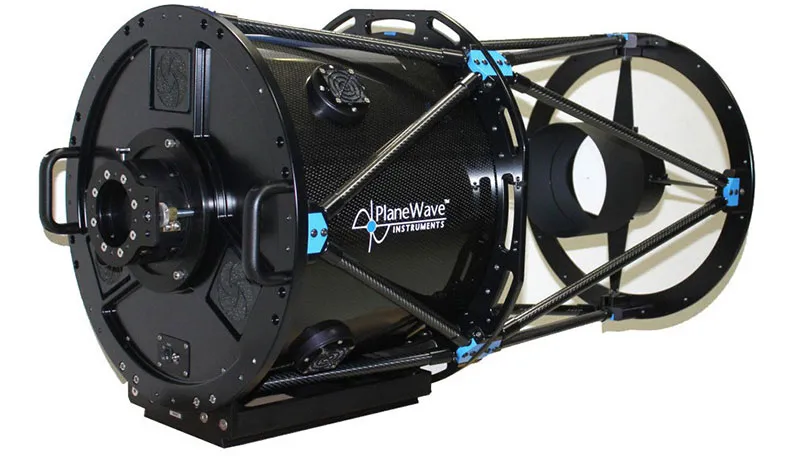
PlaneWave is a high-end telescope brand designed for serious astronomers, astrophotographers, research centers, and observatories. Its telescopes are known for advanced optical performance, strong mechanical design, and excellent image quality.
Many PlaneWave models use Corrected Dall-Kirkham optics, which help reduce common image problems such as coma, astigmatism, and field curvature. This makes them a strong choice for deep-sky imaging, scientific research, and professional-level observation.
Applications and Key Features:
- Ideal for deep-sky astrophotography and long-exposure imaging
- Suitable for observatories, universities, and research projects
- Advanced Corrected Dall-Kirkham optical design
- Sharp and clear images across a wide field of view
- Strong option for galaxies, nebulae, star clusters, and faint objects
- High-quality construction for stable and accurate performance
- Compatible with professional cameras, mounts, and imaging accessories
- Best suited for advanced users, not casual beginners
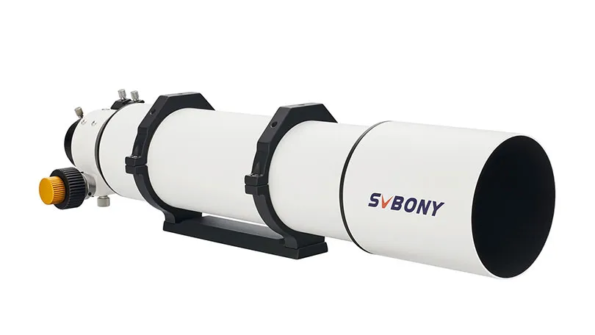
SVBONY: Affordable Telescopes and Astronomy Accessories
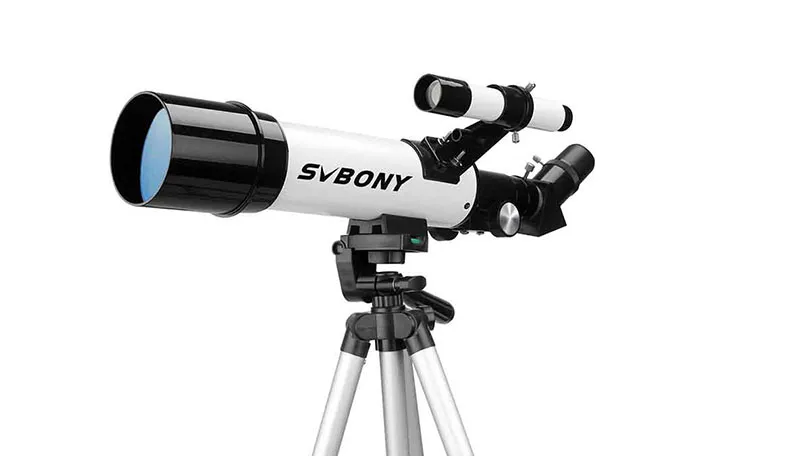
SVBONY is a popular telescope brand known for offering affordable astronomy equipment for beginners, hobbyists, and amateur astrophotographers. The brand provides a wide range of refractor telescopes, Maksutov-Cassegrain models, eyepieces, filters, astronomy cameras, and other useful accessories.
SVBONY products are often chosen by users who want reliable optical performance without spending too much, making the brand a practical option for stargazing, lunar viewing, planetary observation, and entry-level deep-sky imaging.
Uses:
- Suitable for beginners and amateur astronomy
- Good for observing the Moon, planets, star clusters, and bright deep-sky objects
- Useful for entry-level astrophotography with compatible cameras and accessories
- Can be used for wide-field sky viewing and portable outdoor observation
- Helpful for upgrading existing telescope setups with eyepieces, filters, and adapters
Key Features:
- Affordable price range compared with many premium telescope brands
- Wide selection of refractor telescopes and compact optical systems
- Compatible with many astronomy accessories and camera setups
- Offers eyepieces, filters, Barlow lenses, finderscopes, and adapters
- Practical choice for users who want a balance between cost, portability, and performance
Explore the Top Telescope Brands for Every Stargazing Adventure
| Brand | Telescope Model | Best For | Key Strength | Portability | Skill Level | Ideal Use |
|---|---|---|---|---|---|---|
| Celestron | Celestron NexStar 8SE | Serious beginners and intermediate users | Large 8-inch aperture with a powerful GoTo system | Medium | Intermediate | Deep-sky viewing, galaxies, and nebulae |
| Celestron | Celestron NexStar 6SE | Users who want a balance between power and portability | Excellent optics in a compact design | High | Beginner to Intermediate | Backyard astronomy and travel |
| Celestron | Celestron NexStar 90SLT | Families and beginners | Lightweight design with easy automated navigation | Very High | Beginner | Casual stargazing and learning astronomy |
| Sky-Watcher | Sky-Watcher Skymax 127 OTA | Planetary observers | Razor-sharp views of the Moon and planets | High | Beginner to Intermediate | Lunar and planetary observation |
| William Optics | William Optics Mini Cat 51 | Astrophotographers | Premium optics for wide-field imaging | Very High | Advanced | Milky Way and nebula photography |
| Vixen | Vixen VSD70SS | Advanced portable astronomy users | Japanese precision with a lightweight optical design | High | Advanced | Travel astronomy and astrophotography |
| PlaneWave | PlaneWave DeltaRho 500 | Professional astronomers and advanced astrophotographers | Large-aperture fast astrograph for high-quality deep-sky imaging | Low | Advanced to Professional | Research imaging, observatory use, and deep-sky astrophotography |
| SVBONY | SVBONY SV503 80ED | Beginners, hobbyists, and budget-conscious users | Affordable ED refractor with sharp views and good color correction | High | Beginner to Intermediate | Lunar viewing, planetary observation, wide-field stargazing, and entry-level astrophotography |
A Changing Market: Finding the Right Alternatives
As the telescope industry evolves, it is important to note that production for well-known brands such as Orion and Meade has been discontinued. We understand this might change your search for the perfect gear, but there is no need to worry.
Our team specializes in filling this gap by offering high-quality alternatives and modern replacements that match or even exceed the performance of these classics. Along with finding the right scope, we can help you select the best Telescope Accessories to enhance your view of the night sky. We are here to help you find a reliable, well-supported telescope that perfectly fits your needs and ensures a great stargazing experience.
How to Compare and Choose
To make your selection process easier, here is a breakdown of how to compare the top telescope brands. Focusing on these key factors will help you find a tool that fits your specific lifestyle and goals.
Focus on Optics and Portability
- Aperture and Clarity: The aperture (the width of the lens or mirror) is the most important part of a telescope because it collects light. While some brands of telescopes, like Sky-Watcher, offer huge apertures for seeing faint galaxies, keep in mind that larger scopes are much heavier and harder to move.
- Portability vs. Power: A powerful telescope is only useful if you actually take it outside. If you live in an apartment or need to travel to dark locations, look for brands like Vixen or the Celestron NexStar series. These manufacturers prioritize compact, lightweight designs that are easy to carry.
Match the Gear to Your Goals
- Visual Use vs. Photography: Decide if you want to look through an eyepiece or take long-exposure photos. For visual observing, Orion Dobsonians offer incredible value. However, for high-end photography, specialized brands of telescopes like William Optics are the industry standard.
- Stability of the Mount: A telescope is only as good as its tripod. A shaky mount makes it impossible to focus on distant stars. High-quality brands invest heavily in stable mounting systems to ensure your view stays rock-steady even at high magnifications.
Long-Term Value and Ease of Use
- The Learning Curve: If you want a "plug-and-play" experience, choose a brand with "GoTo" computer technology. If you prefer learning the constellations yourself, a manual mount is cheaper and will teach you more about the night sky.
- Quality and Compatibility: Established brands of telescopes offer different levels of quality. Investing in a mid-range model usually gives you better optical coatings and more durable parts. Also, ensure the brand uses standard accessory sizes so you can easily upgrade your gear in the future.
Conclusion
Finding the right telescope for your journey through the stars doesn't have to be a guessing game. By choosing from the established brands of telescopes we have covered, you can be sure your money is spent on high-quality optics and reliable engineering. When you match your personal goals with the strengths of these trusted industry leaders, the buying process becomes much simpler and more exciting.
In the end, remember that the "top" telescope isn't always the most expensive one; it is the one you actually feel inspired to take outside and use. Whether you choose the high-tech features of a Celestron, the power of a Sky-Watcher, or the simple design of an Orion, you are doing more than just buying gear. You are taking a big step toward a lifelong connection with the universe. Clear skies!
FAQ
Celestron is the best choice. Their "GoTo" technology and SkyAlign system allow beginners to find celestial objects automatically by pointing at just three bright stars.
Sky-Watcher is known as the "Value King." They offer large apertures and stable mounts at a more affordable price, making deep-sky observation accessible for hobbyists on a budget.
William Optics (such as the Mini Cat 51) is a top recommendation. They specialize in premium Japanese glass and portable designs specifically engineered for capturing crisp images of the Milky Way and nebulae.
The Aperture (the width of the lens or mirror) is most important because it determines how much light is collected. However, you must balance power with portability to ensure the telescope is easy enough to use regularly.

No Comments