

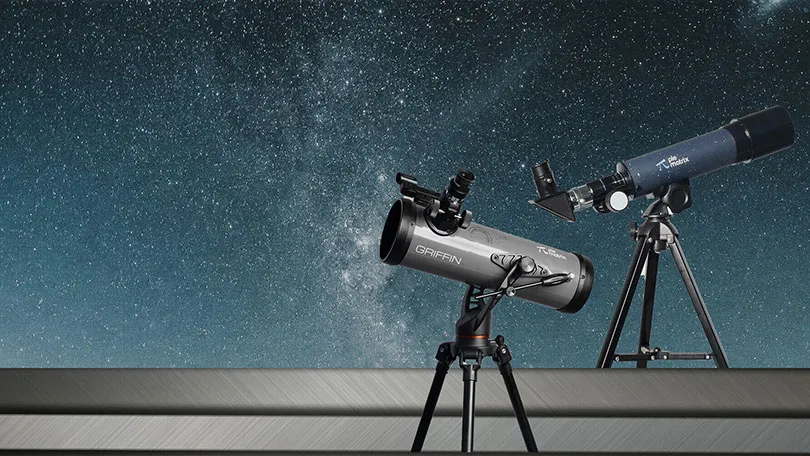
Choosing the right equipment is essential for a rewarding stargazing experience, as selecting an ill-suited model often leads to frustration and unused gear. This guide simplifies your journey by explaining the various Types of Telescopes and how they function, ensuring you find a tool that matches your specific goals, whether you want to observe lunar craters, find distant galaxies, or start with astrophotography.
By understanding the unique strengths of each design, you can confidently invest in a telescope that fits your budget and lifestyle, transforming the vast night sky into your own personal window to the cosmos.
Let's dive in.
How Telescopes Work?
Before choosing a telescope, you need to understand one simple truth: a telescope's main job is gathering light, not magnifying it.
At its core, a telescope functions as a "light bucket" where the size of its aperture determines how much detail and brightness you can see, rather than just how much you can zoom in. By utilizing either precision-crafted lenses to refract light or curved mirrors to reflect it, different Types of Telescopes focus this gathered light to reveal celestial wonders that are otherwise invisible to the naked eye.
If you are ready to explore these options, browsing a wide selection of Telescopes will help you compare different models and their light-gathering capabilities.
Understanding whether a model excels at capturing the sharp details of a nearby planet or the faint glow of a distant nebula comes down to this fundamental physics of light collection, helping you choose the right tool for your specific stargazing goals.
What Are Refractor Telescopes?
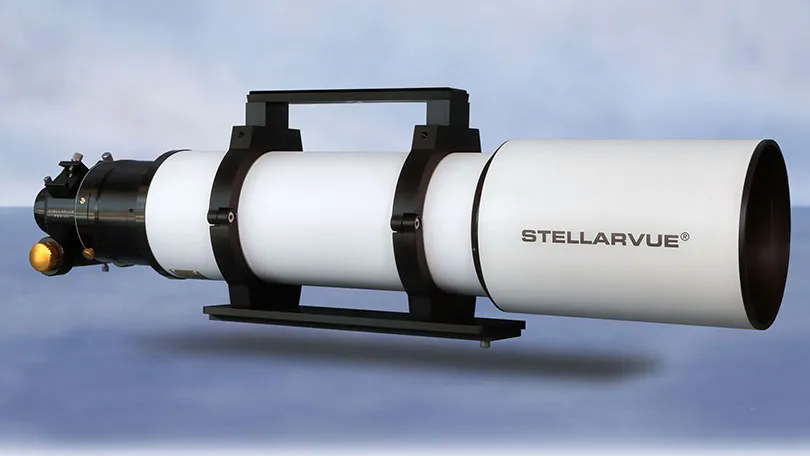
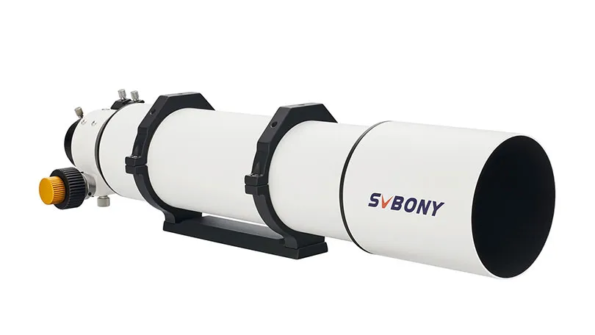
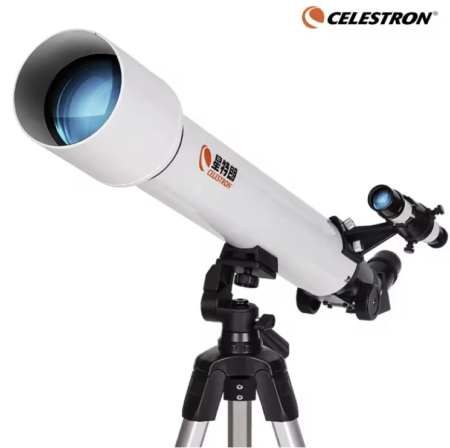
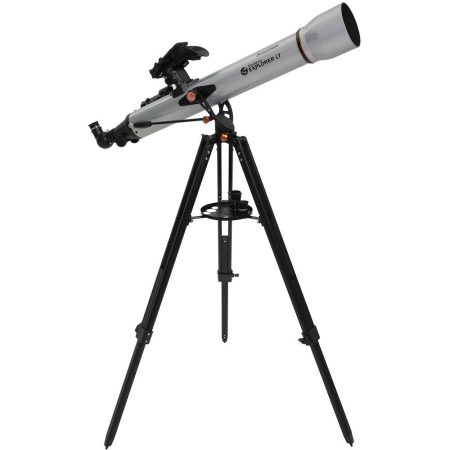
When most people picture a telescope, they're imagining a refractor. This classic design is instantly recognizable: a long, slender tube with a large front-facing lens. It's the telescope you saw in old pirate ships, and it remains popular today for excellent reasons.
How Refractors Work
A refractor uses a large objective lens at the front of the tube to collect and bend (refract) incoming light. This bending focuses the light to a point where an eyepiece magnifies the image for your eye. The light path is simple and elegant: straight from the objective lens to the eyepiece at the back.
Why Choose a Refractor? Key Advantages
- Low Maintenance Requirements: The lens system is fixed, and the tube is sealed. This means no mirror alignment (collimation) is needed. You look through it and enjoy the view. For busy people and beginners, this is a game-changer.
- Superior Image Stability: The sealed tube prevents dust from settling on optics and blocks internal air currents that distort the view. This leads to sharp, stable, high-contrast images that remain steady even during windy nights. Many observers describe views through quality refractors as remarkably crisp and clean.
- Perfect for Planetary and Lunar Observation: The high contrast and detail make refractors exceptional for observing the Moon, planets, and double stars. Want to see Jupiter's bands clearly or count lunar craters? A refractor delivers.
The Challenge: Chromatic Aberration
The main drawback with refractors, especially budget models (called achromats), is chromatic aberration. This optical effect occurs when the lens doesn't focus all colors of light at the same point, creating a purple or yellowish fringe around bright objects.
It's particularly noticeable around the Moon or planets. If you want to learn more about how these specific lens systems work and their unique benefits, you can explore the details of a Refractor Telescope to see if it fits your needs.
Advanced refractors, called apochromats (APOs), use special glass and multiple lens elements to reduce or virtually eliminate this effect. The tradeoff? They're significantly more expensive.
Cost Considerations
Manufacturing large, high-quality lenses is complex and expensive. This means refractors generally have a higher price per inch of aperture compared to other telescope types. A quality 6-inch refractor might cost what a 10-inch reflector costs.
Who Should Choose a Refractor?
- Observers prioritizing sharp, detailed views of the Moon and planets
- Beginners wanting easy-to-use, low-maintenance equipment should prioritize user-friendly designs that make navigating the night sky simple. Starting with a high-quality Telescope for Beginners ensures a smooth learning curve, allowing new astronomers to focus on the stars rather than complex technical setups.
- Anyone observing from locations with light pollution (smaller refractors work well in these conditions)
- Astrophotographers focusing on the solar system
- People who want to set up quickly and start observing within minutes
What Are Reflector Telescopes?
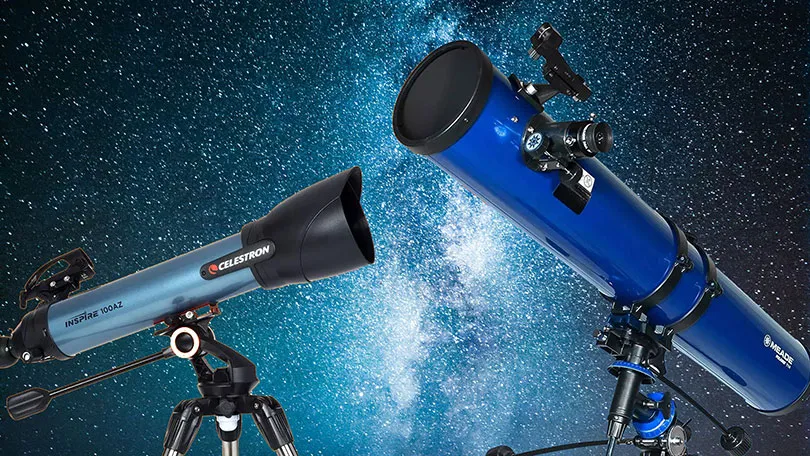
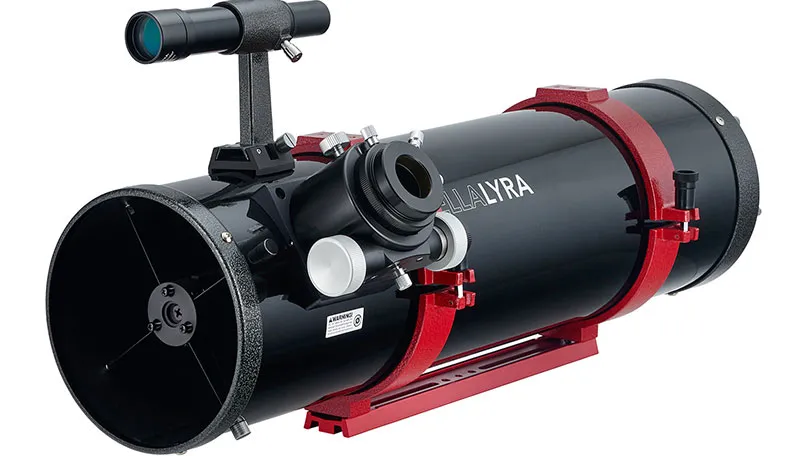
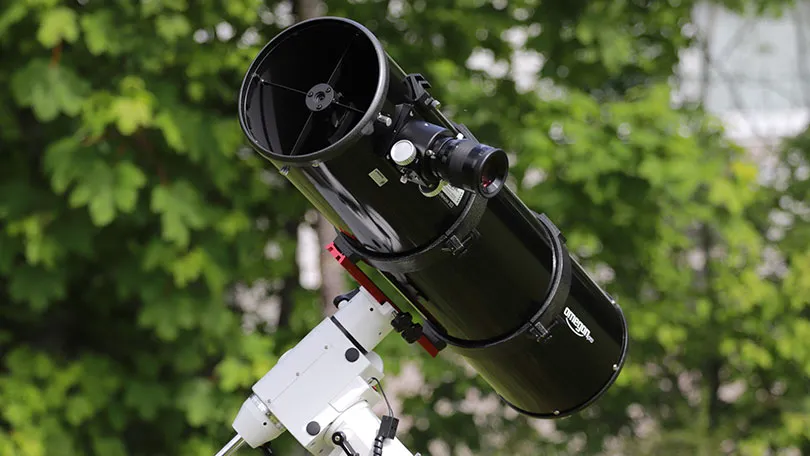
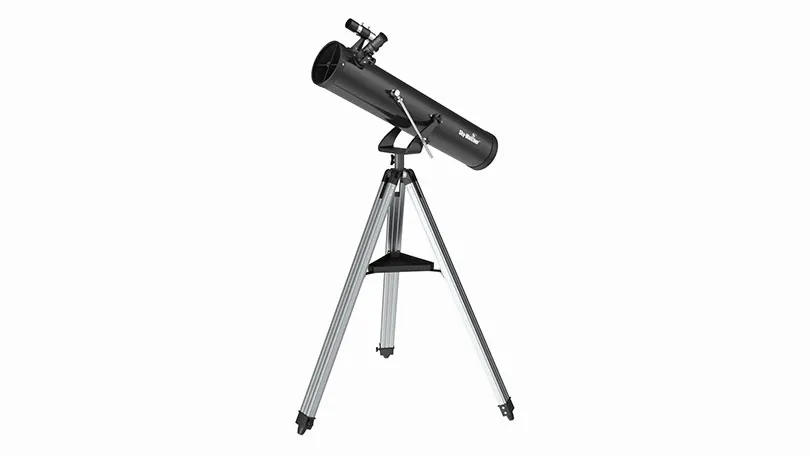
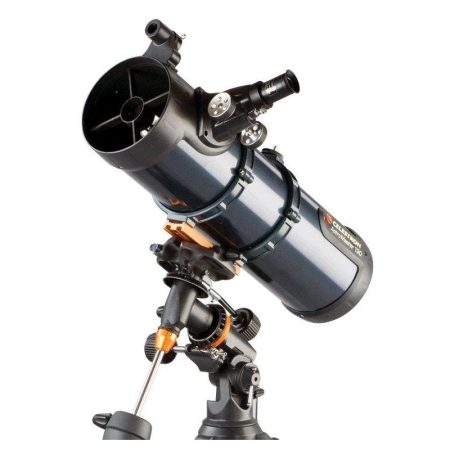
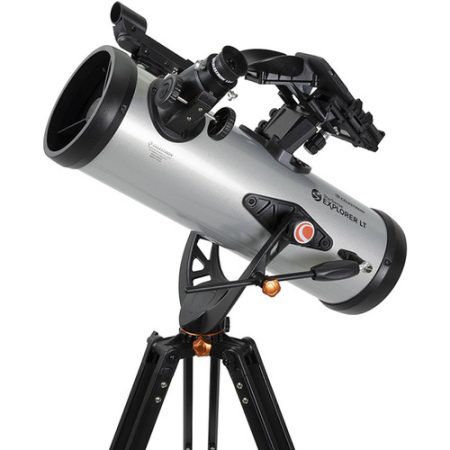
Developed by Sir Isaac Newton, the reflector telescope offers a different approach to gathering starlight. It remains one of the most popular telescope types because it delivers impressive light-gathering power without breaking the bank. If you are looking for a cost-effective way to observe deep-sky objects, choosing a Reflector Telescope is an excellent choice, as these instruments use mirrors rather than lenses to provide a clear and bright view of the stars.
How Reflectors Work
Instead of a lens, a reflector uses a large, precisely curved primary mirror at the bottom of an open tube to collect light. This light reflects upward onto a smaller, flat secondary mirror, which directs the light out the side of the tube into an eyepiece.
This configuration, called a Newtonian reflector, is the most common reflector design you'll encounter. Because it uses mirrors instead of lenses, it works on entirely different optical principles than refractors.
Why Reflectors Are Popular
- Unbeatable Value for Money: Mirrors are dramatically cheaper to produce in large sizes than lenses. This means you get much more light-gathering power for your money. A reflector gives you significantly more aperture than a refractor at the same price point.
- Master of Deep-Sky Objects: More aperture means brighter images and the ability to see fainter deep-sky objects: distant galaxies, colorful nebulae, and faint star clusters. If deep-sky observation is your dream, a reflector is often your best investment.
- Freedom from Chromatic Aberration: Mirrors reflect all light colors equally, so you'll never see purple or yellow fringes. The images are pure and undistorted.
- Exceptional All-Around Performers: Reflectors work well for observing the Moon, planets, clusters, and galaxies. They're the workhorses of amateur astronomy.
Maintenance and Performance Quirks
- Collimation Requirements: The mirrors need precise alignment occasionally, a process called collimation, to ensure sharp images. However, this becomes routine with practice and isn't as complicated as it sounds.
- Dust Accumulation: The open tube design means dust eventually accumulates on the mirrors. This requires gentle cleaning, but it's part of owning a reflector.
- Air Currents and Stability: Internal air currents inside the tube can affect image stability, especially in larger scopes. Allowing your telescope to reach ambient temperature before observing helps significantly.
- Coma in Fast Reflectors: Fast focal ratio reflectors (those with shorter tubes relative to mirror size) can exhibit "coma", an optical aberration making stars near the edge look like tiny comets. This is correctable with additional accessories if needed.
Who Should Choose a Reflector?
- Deep-sky observers hunting galaxies and nebulae often prioritize light-gathering power to reveal faint details. If you are looking for the right equipment to explore these celestial wonders, selecting high-quality Telescopes for Viewing Planets and Galaxies will help you see sharper images of distant star clusters and planetary surfaces.
- Budget-conscious buyers wanting maximum aperture
- Those observing from dark-sky sites
- General stargazers wanting a versatile, capable instrument
- Anyone comfortable with occasional maintenance
- People prioritizing light-gathering power over portability
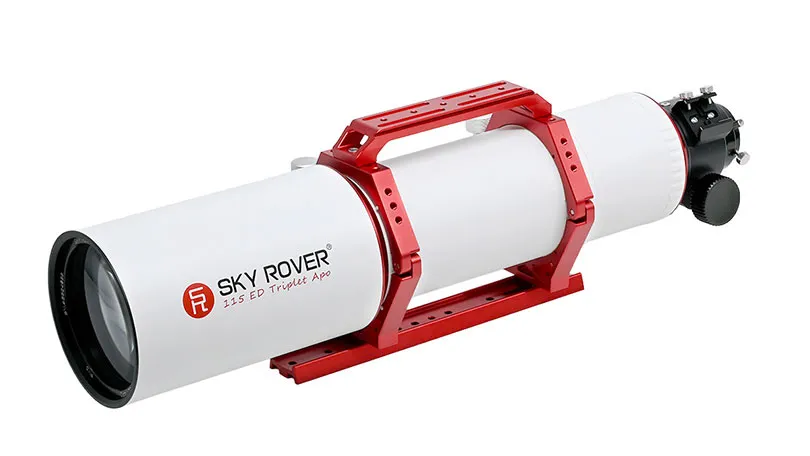
What Are Catadioptric Telescopes?
Engineers designed these sophisticated instruments to combine the best features of refractors and reflectors while minimizing their drawbacks. The result is a hybrid telescope that offers remarkable versatility.
How Catadioptrics Work
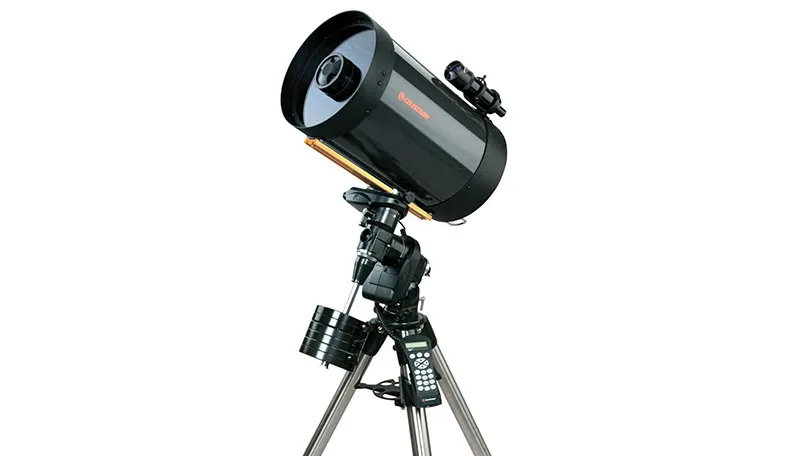
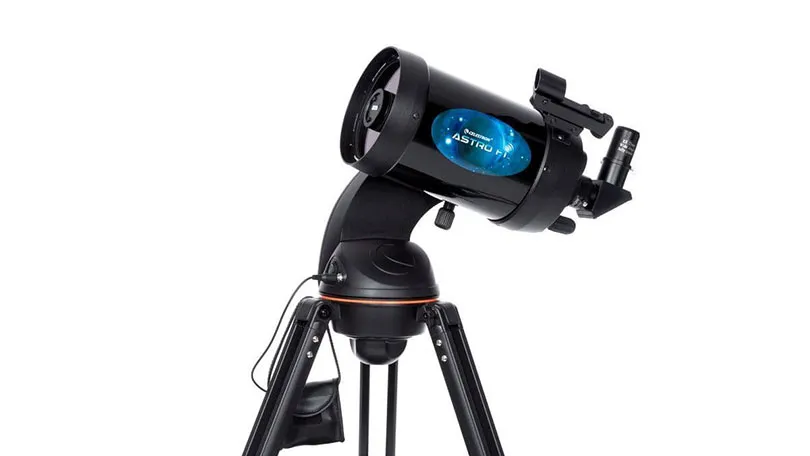
Catadioptric telescopes use a combination of mirrors and lenses. Light first passes through a corrector lens (or plate) at the front, then reflects off a primary mirror at the back, then bounces again off a secondary mirror before traveling back through a hole in the primary mirror to the eyepiece.
This folded optical path allows for impressively long focal lengths packed into remarkably short, compact tubes. The two most popular types are:
- Schmidt-Cassegrain Telescopes (SCTs): These use a thin Schmidt corrector plate and are available in larger apertures. They're versatile performers suitable for planets, the Moon, and deep-sky work.
- Maksutov-Cassegrain Telescopes (Maks): These feature a thick, deeply curved meniscus lens as the corrector. They typically have slightly smaller central obstructions and longer focal ratios, making them especially excellent for planetary observation.
Why Catadioptrics Deserve Consideration: Key Advantages
- Outstanding Portability: An 8-inch SCT is significantly shorter and easier to transport than an 8-inch Newtonian reflector with equivalent performance. This matters if you travel to dark-sky sites.
- Dust Protection: Their sealed or semi-sealed tubes offer better protection against dust and moisture than open reflectors, reducing maintenance needs.
- Remarkable Versatility: These telescopes perform well on planets, the Moon, and many deep-sky objects. They're true all-around instruments.
- Excellent for Astrophotography: Their long focal lengths enable high magnification and are compatible with cameras and accessories. They're extremely popular for planetary imaging and capturing smaller deep-sky objects like globular clusters and planetary nebulae.
The Considerations: Cost and Complexity
- Higher Price Tag: Catadioptrics are generally more expensive than Newtonian reflectors of the same aperture due to their optical complexity.
- Central Obstruction: The secondary mirror creates a larger central obstruction than most Newtonians. This can slightly reduce contrast compared to unobstructed refractors, though the effect is subtle.
- Collimation and Cooling: They usually require occasional collimation (though less frequently than Newtonians). Their enclosed tubes and thick primary mirrors mean longer cool-down times to reach ambient temperature, important for optimal image quality, especially in larger models.
Who Should Choose a Catadioptric?
- Observers who prioritize portability without sacrificing power
- Those wanting a versatile instrument for any celestial object
- Astrophotographers, especially those doing planetary imaging, can achieve stunning detail by using a dedicated Telescope for Astrophotography designed for precision and clarity.
- Observers who travel to dark-sky sites
- People want excellent performance with minimal maintenance
- Anyone seeking the middle ground between refractors and reflectors
Comparison of Telescope Types
| Feature | Refractor | Reflector | Catadioptric |
|---|---|---|---|
| Typical Price Range | $300–$2000+ | $200–$1500 | $400–$2500+ |
| Light-Gathering Power | Moderate | Excellent | Excellent |
| Weight (6-8 inch) | 15–25 lbs | 20–40 lbs | 12–20 lbs |
| Maintenance Needs | Minimal | Regular collimation | Occasional collimation |
| Durability | Very High | High | High |
| Setup Time | 5–10 minutes | 10–15 minutes | 5–10 minutes |
| Portability | Good (smaller models) | Fair to Poor | Excellent |
| Best For | Planets & Moon | Deep-sky objects | Versatility & astrophotography |
| Chromatic Aberration | Yes (achromats only) | None | Minimal |
| Cool-Down Time | Minutes | 30 minutes | 1–2 hours (large models) |
Making Your Decision: The Essential Factors
No single telescope is "best" for everyone. Your ideal choice depends entirely on your individual needs, preferences, budget, and lifestyle. Here's how to decide:
What Objects Do You Want to Observe?
- Moon and Planets: Refractors excel here due to their high contrast and sharp images. Maksutov-Cassegrains are also superb choices. Longer focal length reflectors and SCTs work well, too.
- Deep-Sky Objects (Galaxies, Nebulae, Star Clusters): Reflectors, especially Dobsonian reflectors, offer the most aperture for your money, which is crucial for observing faint, distant objects. Larger SCTs are also capable performers in this category.
- All-Around Viewing: SCTs and Maksutov-Cassegrains offer great versatility for observing any type of celestial object. Moderate-sized reflectors or quality refractors can also be excellent generalists.
Where Will You Observe?
- Backyard Observing: Larger, heavier scopes like Dobsonians work fine if you have nearby storage. Setup time doesn't matter as much.
- Traveling to Dark Sites, portability becomes crucial. Compact refractors or catadioptric telescopes gain an advantage here. However, weigh the portability against setup time and the ability to handle the scope safely.
- Light-Polluted Urban Areas: Smaller refractors or quality catadioptrics often perform better than large reflectors because atmospheric disturbance affects larger apertures more severely.
What's Your Budget?
- Entry-Level ($200–$400): Smaller Dobsonian reflectors (4.5–6 inches) often provide the most aperture for the money. Basic refractors (70–90mm) are also solid options for beginners.
- Mid-Range ($400–$1000): Larger Dobsonians, good-quality refractors, smaller SCTs or Maksutovs. This range offers excellent value and capability.
- Higher-End ($1000+): Large-aperture Dobsonians, apochromatic (APO) refractors, larger SCTs/Maksutovs with computerized GoTo mounts. You can get nearly anything here.
Are You Interested in Astrophotography?
While possible with most telescopes, some work better than others for imaging:
- Best Choices: Refractors (especially APOs) and SCTs/Maksutovs on sturdy equatorial mounts
- Also Works: Newtonian reflectors, though you may need coma correctors and careful mount selection
- Mount Matters: A stable equatorial mount is almost always necessary for long-exposure imaging
- Accessories: Budget extra for cameras, adapters, and counterweights
The Mount Types
Here's an uncomfortable truth: the best optics are useless on a shaky mount. Your telescope's tube quality matters only if the mount can hold it steady. Mount Types:
- Alt-Azimuth Mounts: Simple, intuitive up-down-left-right movement. Great for visual observation. Examples: Dobsonian mounts and many beginner scopes.
- Equatorial Mounts: These align with Earth's rotation, allowing the scope to follow objects smoothly. Essential for astrophotography and long observing sessions. More complex but invaluable for serious work.
- GoTo Computerized Mounts: These automatically find and track celestial objects using coordinates. Fantastic for astrophotography and locating faint objects. Requires setup alignment but saves countless hours of manual searching.
- Critical Consideration: Ensure your chosen mount can comfortably handle the weight and size of your telescope tube without flexing or vibrating.
The Accessories You'll Actually Need
Your telescope alone isn't enough. Plan to invest in these essentials:
Eyepieces
Most telescopes come with one or two eyepieces, but you'll want different ones for different magnifications. Budget $100–$300 for a quality eyepiece set.
Red Flashlight
Preserves your night vision. Makes navigation and telescope adjustment easier in the darkness.
Star Chart or App
Essential for locating objects. Apps like Stellarium or SkySafari are excellent and affordable.
Comfortable Chair
You'll spend hours observing. A quality observing chair makes the difference between an enjoyable night and a painful one.
Optional Accessories
- Barlow lens (increases magnification)
- Colored filters (enhance planetary detail)
- Collimation tools (for reflectors)
- Dew shield (prevents moisture buildup on optics)
- Equipment case (protects your investment)
Maintenance and Care: Keeping the Telescope Performing
Different telescopes require different levels of care:
Refractor Maintenance
Minimal work needed. Clean the objective lens yearly with soft brushes and lens paper if necessary. Keep the tube capped when not in use.
Reflector Maintenance
More involved. Collimate mirrors every few months or after transport. Clean mirrors gently when dust accumulates (usually annually). Allow adequate cool-down time before observing.
Catadioptric Maintenance
Occasional collimation (less frequent than reflectors). Check the corrector plate cleanliness. Allow longer cool-down times, especially for large apertures.
Universal Tips
- Store in a dry location (prevents mold on optics)
- Avoid extreme temperature swings
- Let your scope reach ambient temperature before observing
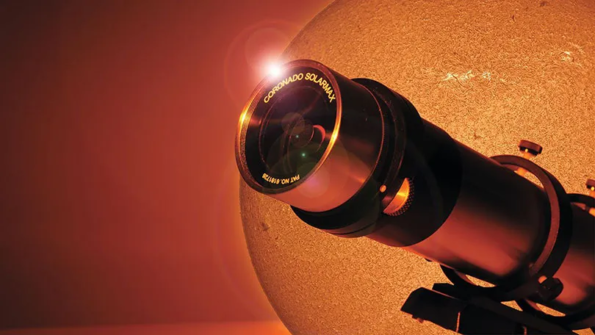
- Never point at the sun unless using proper solar filters
- Protect optics from dust with caps and cases
The Light Pollution Factor: Why Location Matters
Your telescope's performance depends partly on where you observe. Understanding light pollution changes your expectations and helps you choose appropriately.
In Dark Skies
Your telescope reveals faint galaxies and nebulae invisible from cities. A 10-inch reflector shows spectacular deep-sky detail, allowing you to see the wonders of the universe much like the famous James Webb Space Telescope does from space. Larger apertures truly shine here, bringing distant cosmic structures into clear view.
In Suburban Areas
You'll see planets, the Moon, bright clusters, and some nebulae beautifully. Light pollution limits deep-sky work somewhat. A 6–8-inch scope performs admirably.
In Urban Areas
Focus on the Moon, planets, and bright clusters. Light pollution is severe. Smaller, higher-quality scopes (6-inch refractors or 8-inch catadioptrics) often outperform larger, cheaper reflectors due to better contrast.
Cool-Down Times: Often Underestimated
Temperature differences between your scope and the surrounding air create air currents inside the tube, causing blurry images.
- Refractors: Cool down in 5–15 minutes
- Reflectors: Typically 30–60 minutes
- Large Catadioptrics: Can take 1–2 hours for large models
This matters if you observe for short sessions or travel between locations. Plan accordingly.
When Popular Options Disappear: Finding Your Alternative
Some well-known telescope brands have discontinued certain product lines in recent years. If you've been eyeing a specific Orion or Meade model and can't find it anymore, you're not alone. These discontinuities leave a gap in the market that many observers face.
Rather than settling for a lesser alternative or waiting indefinitely, consider this: quality telescopes from other manufacturers often provide equal or superior performance at competitive prices. The optical principles don't change because a brand name changes. A well-made 8-inch reflector from a different manufacturer performs identically to a discontinued Orion or Meade 8-inch reflector.
Our Recommendation: Contact us directly to discuss your specific observing goals. We can recommend quality alternatives that match your needs exactly. Don't let one brand's discontinuation prevent you from starting your astronomical journey.
How We Can Help You Find Your Perfect Match
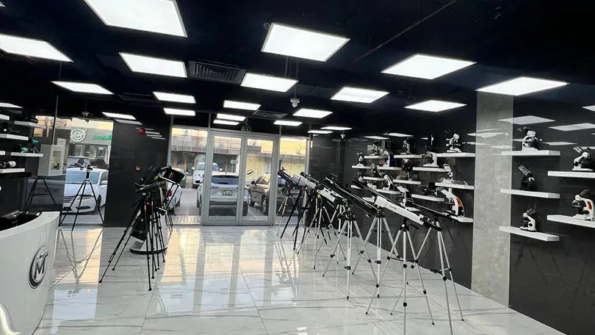
At Dubaitelescope.com and Magic Shop (our 15-year presence in Dubai), we've spent decades helping observers like you discover the perfect telescope. Whether you're replacing a discontinued model, upgrading from your first scope, or starting completely fresh, our focus is simple: matching you with equipment that meets your needs, respects your budget, and you'll actually use.
With over 25 years of experience serving astronomy enthusiasts in Iran and 15 years in Dubai, we understand that choosing a telescope shouldn't be complicated. We don't overwhelm customers with unnecessary technical details. Instead, we listen to what you want to observe, understand your constraints, and recommend what works.
When discontinued models create gaps, we fill them with quality alternatives that deliver the same results. Our team consists of passionate astronomy enthusiasts who've used the equipment we recommend. We don't just sell telescopes; we help you start a lifelong journey of discovery.
Conclusion
Exploring the universe begins with choosing the right tool for the job. Whether you're drawn to the crisp planetary views of a refractor, the deep-sky prowess of a reflector, or the portable versatility of a catadioptric, understanding telescope types empowers you to make an informed decision.
Each type offers a unique window to the cosmos with its own set of strengths. The "best" telescope isn't some abstract ideal; it's the one matching your observing goals, budget, and lifestyle. It's the scope you'll actually use under the stars, night after night.
Your cosmic adventure is waiting. The universe has been there for billions of years, patiently waiting for you to look up and truly see it. With the right telescope and a clear night sky, you'll join millions of observers throughout history who've experienced the profound wonder of discovering the cosmos with their own eyes.
Ready to start? Let's find your perfect match.
FAQ
High-quality refractors, particularly apochromatic (APO) models, are renowned for providing the sharpest, highest-contrast views, especially on planets, because of their unobstructed optical path. However, a well-collimated reflector or catadioptric can also deliver sharp images when properly maintained.
Not always. Larger apertures gather more light and reveal fainter objects and more detail; that's physics. However, larger scopes are heavier, bulkier, more expensive, and often require longer cool-down times. The best size is one you'll actually transport and use regularly. A smaller scope used frequently beats a large one that collects dust.
Not necessary for beginners. GoTo mounts are expensive and add complexity. Learn to locate objects manually first. Once you're comfortable and interested in astrophotography, a GoTo mount becomes invaluable.
A quality eyepiece. The eyepiece determines magnification and image brightness just as much as the main optics. Budget $100–$150 for a decent medium-power eyepiece (25mm or so) that works well across observing tasks.
Forget about observing faint nebulae; focus on bright objects. A quality 4–6 inch refractor or compact catadioptric outperforms a large reflector in cities because the smaller, higher-contrast design handles light pollution better. Smaller apertures also mean you're less affected by atmospheric turbulence.

No Comments