

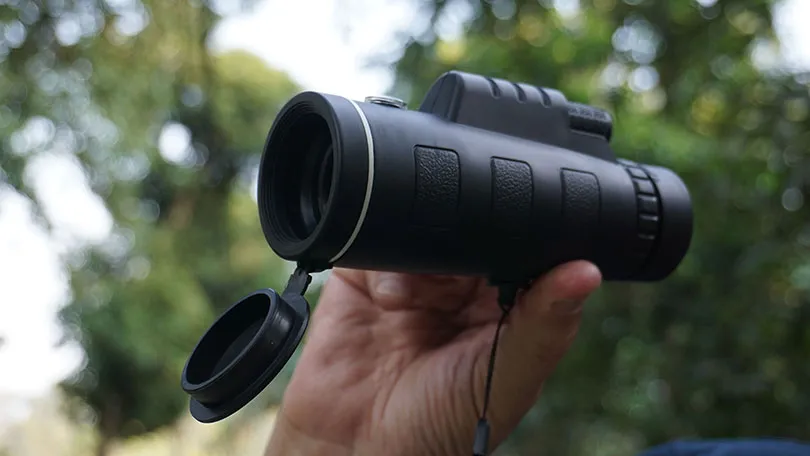
Birdwatching often happens in the moments when you least expect it: a flash of color in a distant tree, a bird resting near a trail, or movement across a quiet wetland. In these situations, carrying a large optical device is not always practical.
A monocular offers a simple and portable solution, giving nature lovers a clear, magnified view in a compact one-hand design.
Its history is closely connected to the earliest refracting telescopes, which began appearing in Europe in the early 17th century. Over time, the same single-tube optical principle evolved into smaller, durable, and travel-friendly monoculars designed for outdoor observation.
Today, a quality monocular can be an excellent companion for birdwatching, hiking, wildlife spotting, and lightweight travel. While binoculars remain popular for longer viewing sessions, monoculars are easier to store in a pocket or backpack and can be ready within seconds when a bird suddenly appears.
For birdwatchers, the most valuable features usually include sharp optical clarity, reliable waterproof protection, comfortable handling, fast focusing, and a close-focus distance for viewing nearby subjects.
In the following guide, you will discover the 10 best monoculars for bird watching and travel, along with practical buying advice to help you choose the right model for your next outdoor adventure.
What Makes a Good Monocular for Bird Watching?
Choosing the right monocular can significantly improve your birding and travel experience. The best models combine portability, optical performance, and durability, allowing you to enjoy clear views without carrying bulky equipment. When comparing options, focus on these essential features:
- 8x to 10x Magnification: Provides enough detail for bird watching while keeping images stable and easy to follow.
- 25mm to 42mm Objective Lens: Offers a good balance between image brightness and portability.
- Fully Multi-Coated Optics: Improves light transmission, contrast, and overall image clarity.
- Wide Field of View: Makes it easier to locate and track birds in motion.
- Waterproof and Fog-Proof Construction: Ensures reliable performance in changing weather conditions.
- Lightweight and Compact Design: Ideal for travel, hiking, and long birding sessions.
- Close Focus Capability: Allows you to observe birds, butterflies, and other wildlife at shorter distances.
- ED or HD Glass: Enhances sharpness, color accuracy, and detail while reducing chromatic aberration.
- Durable Rubber Armor: Provides a secure grip and protects the monocular from bumps and drops.
- Comfortable Eye Relief: Delivers a better viewing experience, especially for eyeglass wearers.
A quality monocular that combines these features will provide brighter images, sharper details, and greater comfort, making it a valuable companion for both bird watching and travel adventures.
10 Best Monoculars for Bird Watching
The best monoculars for bird watching combine sharp optics, comfortable magnification, and lightweight portability, making it easier to observe birds in various environments. If you're exploring different types of outdoor optics, it's also worth browsing a wider selection of Scopes to compare models designed for birding, wildlife observation, and long-distance viewing.
The following models stand out for their image quality, durability, ease of use, and overall performance, making them excellent choices for both dedicated birders and outdoor travelers.
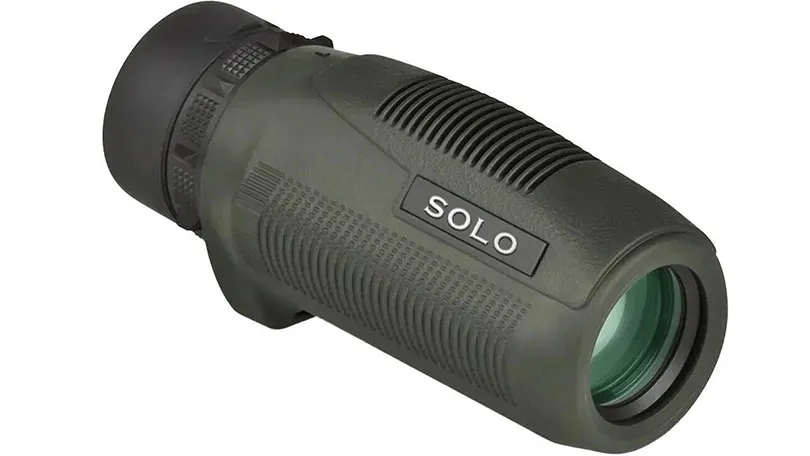
1. Vortex Solo 10x25 Monocular
Best Overall for Travel Birders: The Vortex Solo 10x25 consistently ranks among the top choices for bird watchers thanks to its excellent balance of portability, image quality, and rugged construction. It easily fits into a pocket while providing sharp views of distant birds. Many reviewers consider it one of the strongest compact options available today.
Key Features
- 10x magnification
- Compact design
- Multi-coated optics
- Waterproof construction
- Lightweight body
Best For: Travelers, hikers, casual birders
2. Bushnell Legend Ultra HD 10x42
Best Premium Bird Watching Monocular: The Bushnell Legend Ultra HD delivers exceptional image quality with ED glass and advanced lens coatings. Its larger objective lens gathers more light, making it excellent for early morning birding sessions. Multiple expert reviews rank it among the finest monoculars available today.
Key Features
- ED glass optics
- Waterproof and fog-proof
- Excellent low-light performance
- Wide field of view
Best For: Serious bird watchers
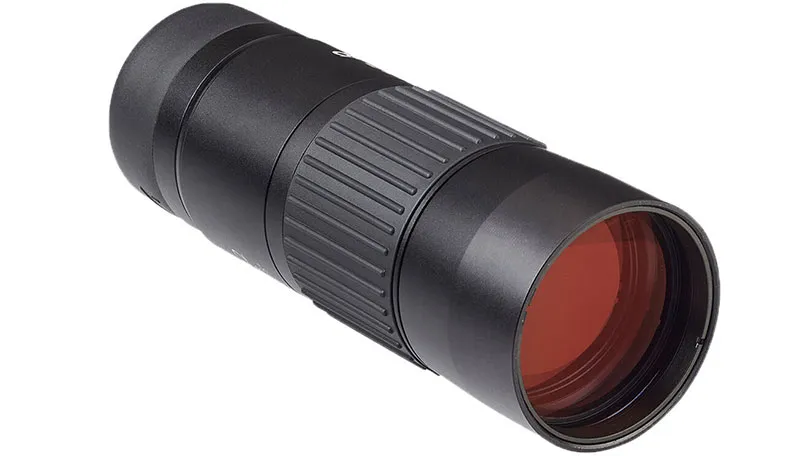
3. Opticron Explorer WA ED-R 8x42
Best Optical Performance: The Opticron Explorer WA ED-R combines premium optics with a comfortable viewing experience. Reviewers praise its image sharpness, edge-to-edge clarity, and durable design. It is frequently recommended as one of the best overall monoculars on the market.
Key Features
- ED glass
- Wide-angle viewing
- Waterproof body
- Excellent color accuracy
4. Hawke Nature-Trek 8x42
Best Value for Bird Watching: This monocular offers a great balance between affordability and optical quality. Its 8x magnification helps reduce image shake while maintaining excellent detail.
Key Features
- Fully multi-coated optics
- Waterproof
- Lightweight design
- Comfortable eye relief
Best For: Beginners and intermediate birders.
5. Nocs Provisions Zoom Tube
Best Modern Birding Design: Designed specifically for outdoor enthusiasts, the Nocs Zoom Tube has become increasingly popular among bird watchers. Several independent reviewers consider it among the strongest options for bird observation.
Key Features
- Rugged exterior
- Waterproof
- Compact size
- Sharp optics
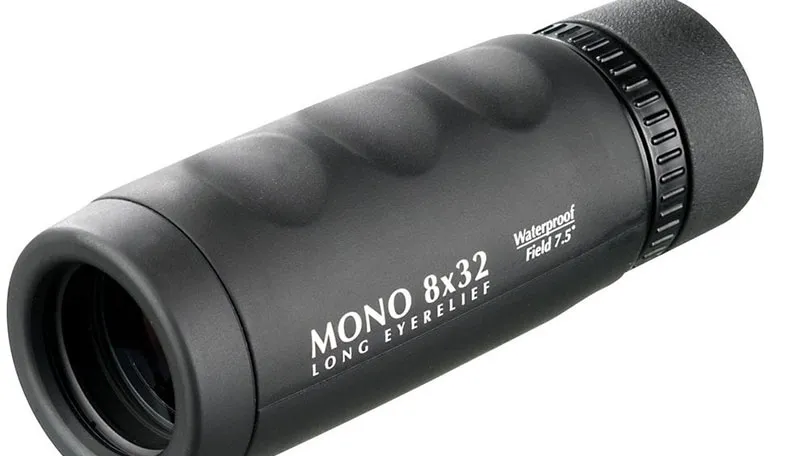
6. Opticron WP Mono 8x32
Best Lightweight Birding Monocular: The Opticron WP Mono has earned a strong reputation among birding enthusiasts due to its optical quality and portability. It offers an excellent field of view and dependable weather protection.
Key Features
- Fully multi-coated lenses
- BaK-4 prism
- Waterproof construction
- Lightweight body
7. Hawke Endurance ED 8x25
Best Travel Monocular: If travel is your main priority, this model deserves attention. It provides ED glass performance in a highly compact package that fits easily into a jacket pocket.
Key Features
- ED optics
- Compact size
- Excellent image quality
- Waterproof body
8. Python Rangemaster 12x52
Best Long-Range Viewing: For users who need additional magnification, the Python Rangemaster delivers impressive detail at longer distances while maintaining good brightness. Independent testing has highlighted its birdwatching capabilities.
Key Features
- 12x magnification
- Large objective lens
- Durable build
- Bright image quality
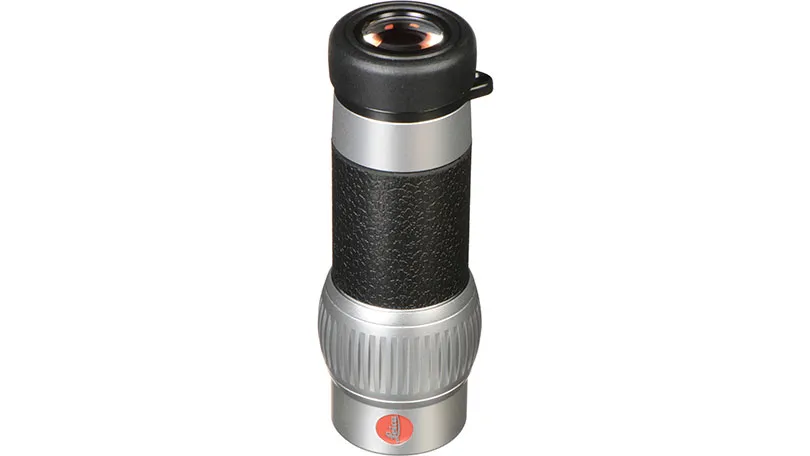
9. Leica Monovid 8x20
Best Premium Compact Monocular: Leica's reputation for optical excellence is well deserved. The Monovid delivers remarkable sharpness in an ultra-compact design.
Key Features
- Premium glass
- Exceptional sharpness
- Compact body
- Luxury construction
Best For: Travelers seeking premium optics.
10. Canon PowerShot Zoom
Best Digital Monocular: The Canon PowerShot Zoom combines a monocular and a digital camera into a single device. It offers a unique solution for travelers who want to observe and capture wildlife simultaneously.
Key Features
- Digital zoom
- Image capture capability
- Lightweight design
- Rechargeable battery
Our Recommended Monoculars from Dubai Telescope
At Dubai Telescope, we understand that every outdoor enthusiast has different needs. Whether you're searching for the best monocular for bird watching, a compact travel optic, or a versatile observation tool, our collection includes carefully selected products designed for performance and reliability.
Celestron Oceana 8x42 Monocular
Key Features:
- 8x magnification with a 42mm objective lens
- Fully multi-coated optics for bright and clear images
- Waterproof and nitrogen-filled construction
- BaK-4 prism for improved image quality
- Durable rubber-armored body for a secure grip
Best Uses:
- Bird watching
- Wildlife observation
- Hiking and nature walks
- Marine and coastal viewing
- General outdoor exploration
LUXUN Portable 25X50 Pirate Telescope Monocular
Key Features:
- Powerful 25x magnification
- 50mm objective lens for increased light gathering
- Retractable telescope-style design
- Lightweight and portable construction
- Vintage-inspired appearance
Best Uses:
- Long-distance viewing
- Sightseeing during travel
- Landscape observation
- Outdoor events and festivals
- Casual wildlife observation
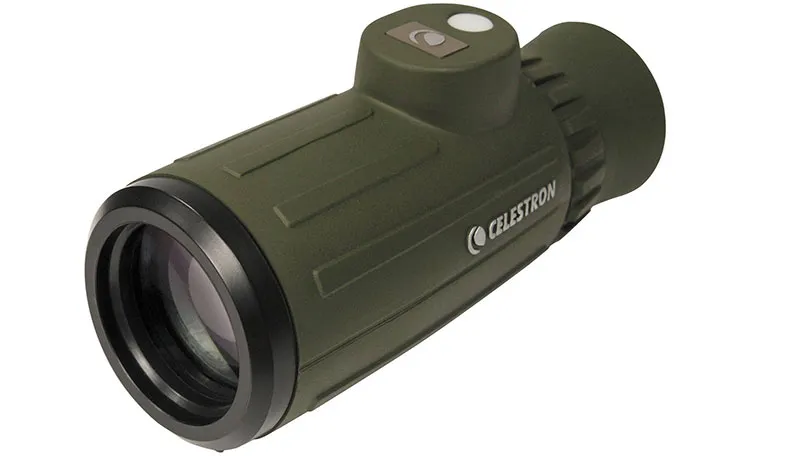
Celestron Cavalry 8x42 Monocular
Key Features:
- 8x magnification with a large 42mm objective lens
- Fully multi-coated optics
- Waterproof and fog-proof housing
- Integrated tripod adapter for stable viewing
- Rugged rubber-armored exterior
Best Uses:
- Bird watching
- Hunting and wildlife observation
- Hiking and camping
- Sporting events
- Outdoor surveillance and nature studies
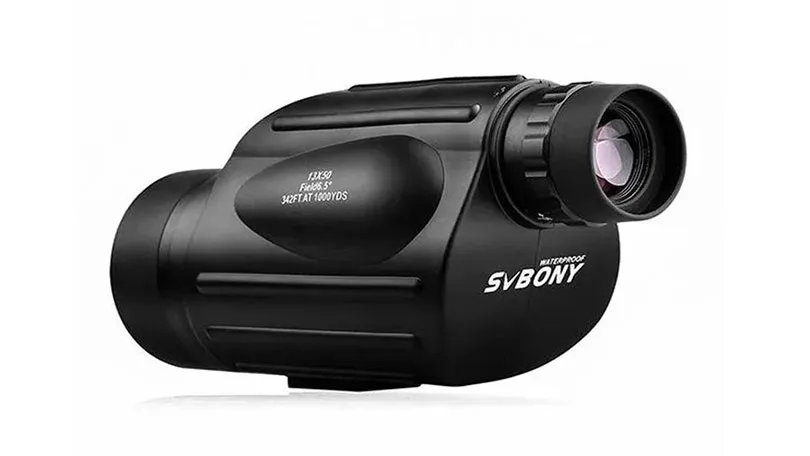
SVBONY SV49 13x50 Monocular
Key Features:
- High 13x magnification for detailed distant views
- Large 50mm objective lens for bright images
- Fully multi-coated optical system
- Compact and lightweight design
- Smartphone adapter compatibility on many kits
Best Uses:
- Bird watching at longer distances
- Wildlife observation
- Travel and sightseeing
- Mountain and landscape viewing
- Basic digiscoping and smartphone photography
Why Choose Dubai Telescope?
When investing in quality optics, choosing a trusted supplier is just as important as selecting the right product. For more than 25 years in Iran and 15 years in Dubai, we have helped thousands of customers find the right telescopes, binoculars, spotting scopes, and monoculars for their needs.
In Iran, many enthusiasts know us through DubaiTelescope.com, while customers across the UAE recognize us through Magic Shop.
Our goal is simple: provide reliable, high-quality optical equipment backed by experience, expert support, and products that deliver real-world performance. Whether you're searching for the best monocular for bird watching or a travel-ready optic, we're here to help you choose with confidence.
How to Choose the Best Monocular for Bird Watching
Choosing the right monocular can make a significant difference in your birding experience. While many models may appear similar at first glance, factors such as magnification, lens quality, durability, and portability can greatly affect performance in the field. Here are the most important features to consider before making a purchase.
Choose 8x to 10x Magnification
Magnification determines how much closer an object appears. For bird watching, 8x to 10x magnification is generally considered the ideal range because it provides detailed views while maintaining a stable image. Higher magnification may bring distant birds closer, but it can also increase image shake and make it harder to track moving subjects.
Look for ED Glass
ED (Extra-low Dispersion) glass helps reduce chromatic aberration, which appears as unwanted color fringing around objects. Monoculars equipped with ED glass typically produce sharper images, better contrast, and more accurate colors. This feature is especially valuable when identifying birds based on subtle plumage details.
Prioritize Waterproof Construction
Bird watching often takes place in forests, wetlands, mountains, and other outdoor environments where weather conditions can change quickly. A waterproof and fog-proof monocular provides reliable performance in rain, humidity, and cold temperatures, ensuring your optics remain clear and protected during every outing.
Consider Weight and Portability
One of the biggest advantages of a monocular is its compact size. If you frequently travel, hike, or spend long hours outdoors, choosing a lightweight model can greatly improve comfort. A portable monocular is easier to carry in a pocket or backpack and allows for quick observation whenever an interesting bird appears.
Check Close Focus Performance
Not all birds are observed from a distance. Some species may land just a few feet away, especially in parks, gardens, or nature reserves. A monocular with a short close-focus distance allows you to view nearby birds and wildlife with excellent detail, making your observations more enjoyable and versatile.
Evaluate the Field of View
Field of view refers to the width of the area visible through the monocular. A wider field of view makes it easier to locate birds and follow them as they move through trees or across open landscapes. This feature is particularly important for beginners who may struggle to track fast-moving subjects.
Match the Monocular to Your Usage
Different activities require different types of optics. Travelers often benefit from compact and lightweight models that prioritize portability, while dedicated birders may prefer larger objective lenses for brighter images and improved detail.
If you regularly observe wildlife at longer distances, a specialized monocular telescope for bird watching may provide the extra performance you need.
Pay Attention to Lens Coatings
High-quality lens coatings improve light transmission and reduce reflections, resulting in brighter and clearer images. Fully multi-coated optics are generally preferred because they maximize image quality, especially during dawn, dusk, or cloudy conditions when lighting is less than ideal.
Consider Eye Relief
If you wear glasses, eye relief is an important feature. Longer eye relief allows you to see the full field of view without removing your glasses, making observations more comfortable during extended birding sessions.
Choose a Durable Exterior
Outdoor equipment must be able to handle occasional bumps, drops, and rough conditions. Monoculars with rubber-armored bodies offer better grip and protection, helping ensure long-term durability during travel and outdoor adventures.
Which Monocular Is Best for You?
- If you want the most balanced option, the Vortex Solo 10x25 is an outstanding choice.
- If image quality matters most, consider the Bushnell Legend Ultra HD 10x42.
- For travelers, the Hawke Endurance ED 8x25 stands out.
- If you're seeking the best birding monocular with premium optics, the Leica Monovid deserves serious consideration.
The reality is that the best monocular for bird watching depends on how and where you observe birds. Travelers may prioritize compact size, while dedicated birders often prefer larger objective lenses and premium glass.
Conclusion
A quality monocular can completely transform your bird watching and travel experiences. Modern designs offer impressive image quality in a lightweight package that fits easily into a pocket or backpack.
Whether you're observing migratory birds, exploring national parks, or traveling internationally, the right monocular helps you see more without carrying bulky equipment.
For most users, a waterproof 8x or 10x monocular provides the ideal combination of portability, brightness, and ease of use. If you're ready to upgrade your outdoor optics, any model featured in this guide can be an excellent choice. With the right equipment in hand, every adventure becomes an opportunity to discover something extraordinary.
FAQ
Yes. Monoculars are lighter, smaller, and easier to carry during travel.
Most experts recommend 8x to 10x magnification for bird observation.
Absolutely. Waterproof designs provide better durability and reliability outdoors.
Yes. Many modern monoculars are specifically designed for birding, hiking, wildlife observation, and travel.
The Vortex Solo 10x25 and Bushnell Legend Ultra HD 10x42 are among the most highly recommended models by independent reviewers.


No Comments