
Description
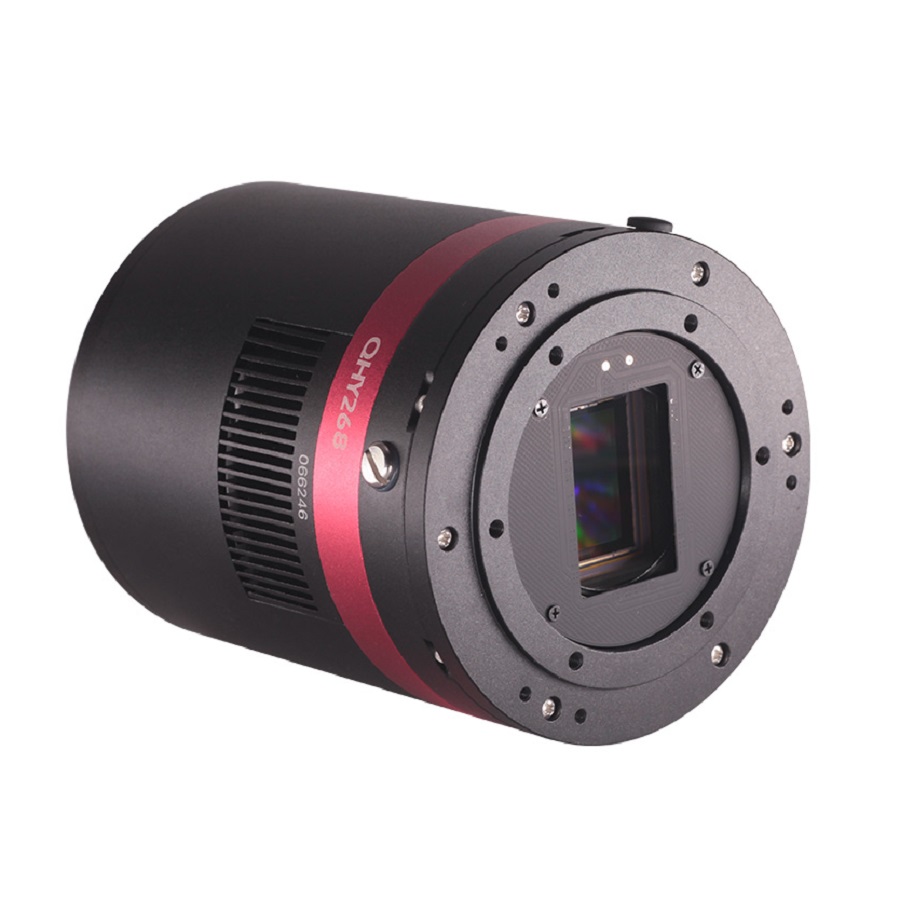
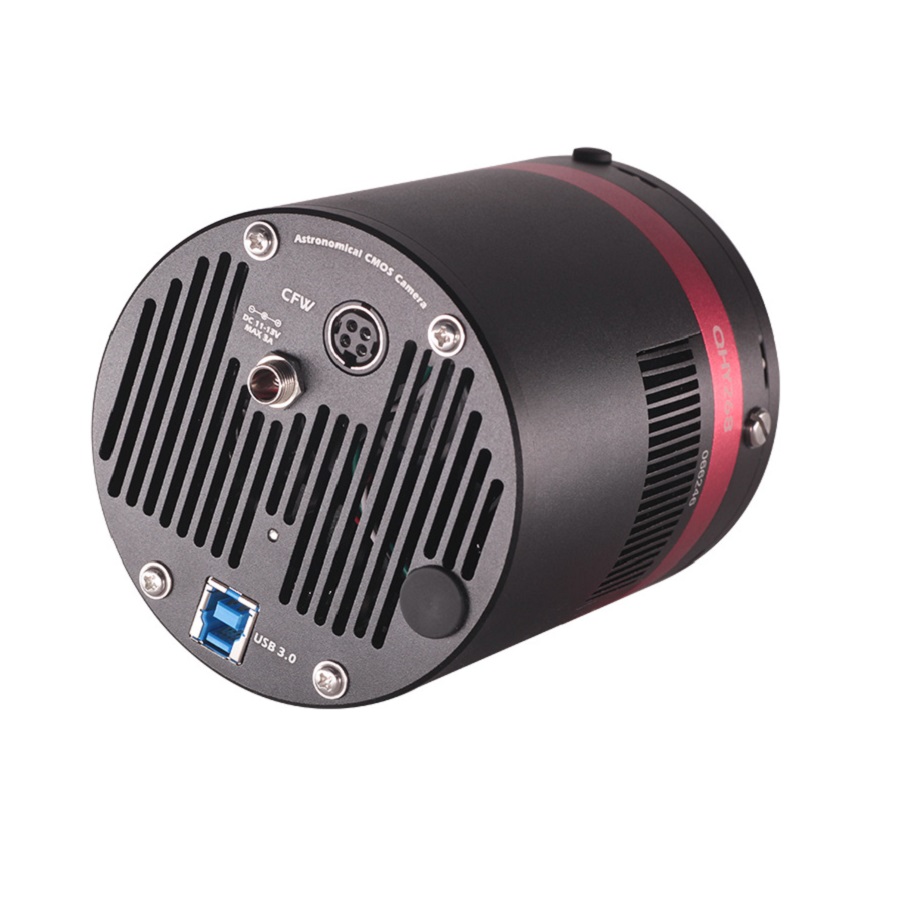
QHYCCD QHY268C-PH Color Cooled Astronomy Camera
The QHYCCD QHY268C-PH is a professional cooled color astronomy camera designed for advanced deep-sky astrophotography. Combining the highly sensitive Sony IMX571 back-illuminated (BSI) APS-C color CMOS sensor with QHYCCD’s advanced cooling technology, true 16-bit ADC, ultra-low read noise, and zero amplifier glow technology, the QHY268C-PH delivers exceptional image quality with the convenience of one-shot color imaging.
With 26 megapixels, 3.76 μm pixels, and an APS-C size sensor measuring approximately 23.5 × 15.7 mm, this camera provides an excellent balance between resolution, sensitivity, field of view, and telescope compatibility. It is an ideal choice for astrophotographers who want professional cooled-camera performance without the additional complexity of a monochrome camera, filter wheel, and multiple imaging filters.
Sony IMX571 Back-Illuminated Color CMOS Sensor
At the heart of the QHY268C-PH is the Sony IMX571 color BSI CMOS sensor, one of the most popular sensors used in modern dedicated astrophotography cameras.
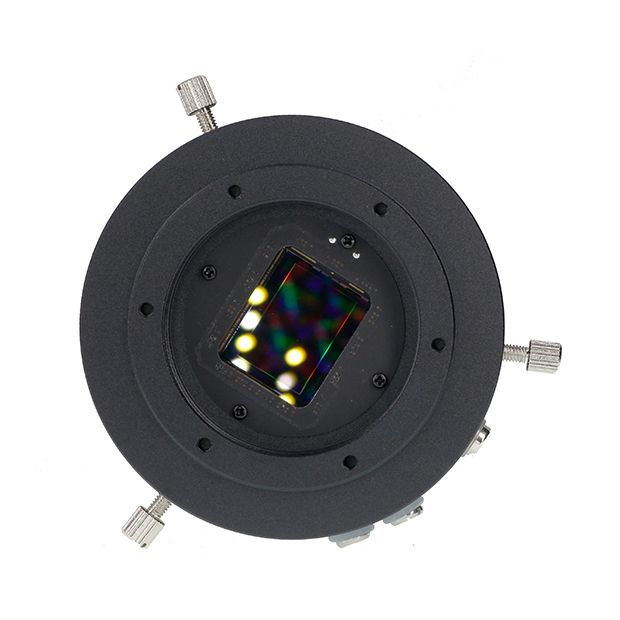
The APS-C format sensor provides 26 megapixels of resolution with an effective imaging area of 6280 × 4210 pixels and a pixel size of 3.76 μm. This combination offers excellent detail resolution while maintaining good sensitivity and compatibility with a wide range of telescope focal lengths.
The Back-Side Illumination (BSI) design improves photon collection efficiency by placing the light-sensitive area closer to incoming light. This allows the camera to capture more photons, improving sensitivity when imaging faint astronomical objects.
One-Shot Color Astrophotography
Unlike a monochrome camera that requires separate LRGB filters and a filter wheel, the QHY268C-PH features an integrated Bayer color filter array, allowing it to capture full-color images directly.
This One-Shot Color (OSC) design provides a much simpler imaging workflow:
- Capture color images directly.
- No need for a motorized filter wheel.
- Less equipment complexity.
- Faster setup and easier operation.
This makes the QHY268C-PH an excellent choice for astrophotographers who want high-quality color images while keeping their imaging system simpler.
However, advanced users can still combine the camera with specialized filters, such as dual-band and light-pollution filters, to improve contrast and reveal more details from emission nebulae.
Native 16-Bit ADC for Superior Image Quality
The QHY268C-PH uses a native 16-bit analog-to-digital converter, providing 65,536 levels of brightness information.
Compared with cameras using lower-bit conversion systems, the 16-bit ADC provides smoother tonal transitions, better preservation of subtle details, and greater flexibility during image processing.
This is particularly important for astrophotography because many deep-sky objects contain extremely faint structures that require strong processing to reveal.
High Sensitivity and Low Noise Performance
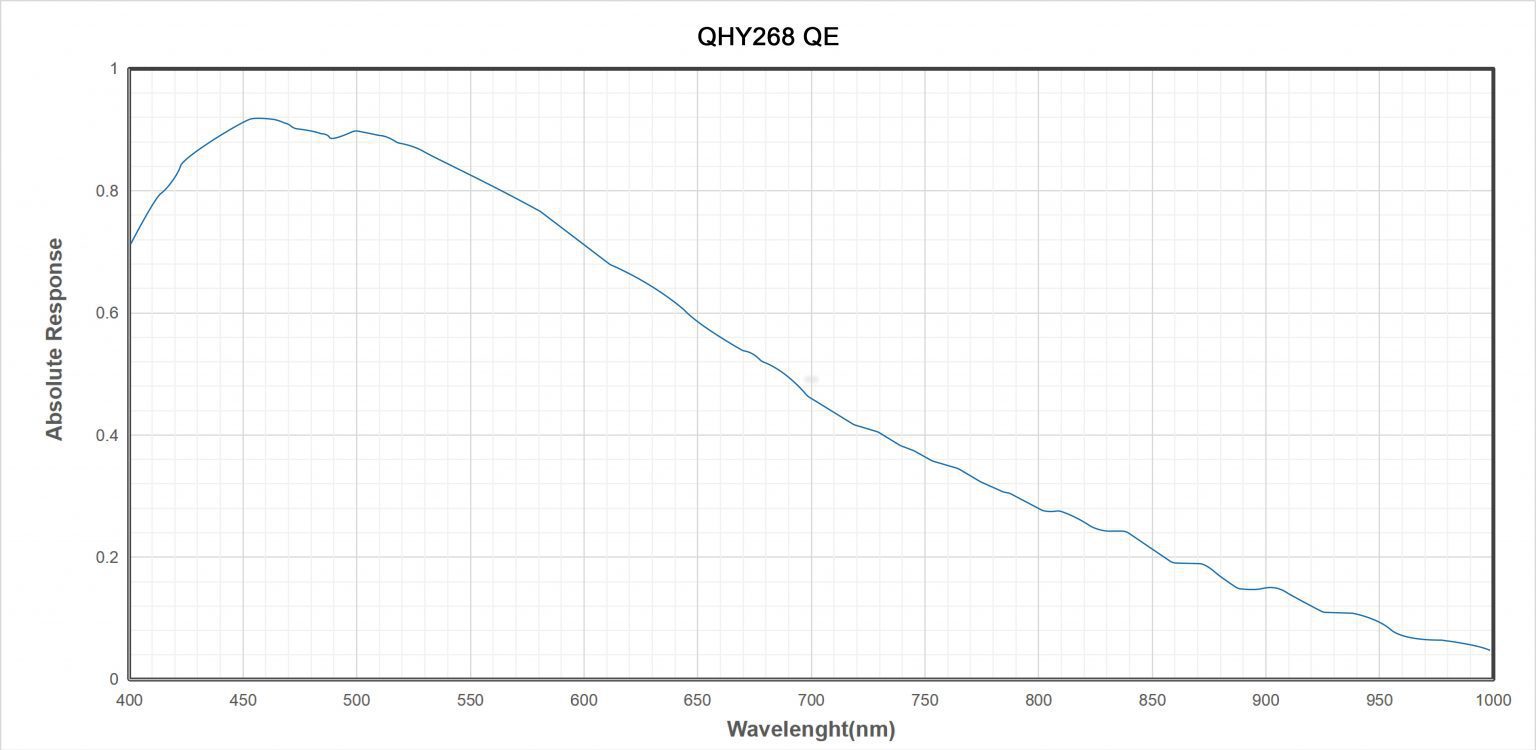
The Sony IMX571 sensor combines excellent quantum efficiency with very low read noise.
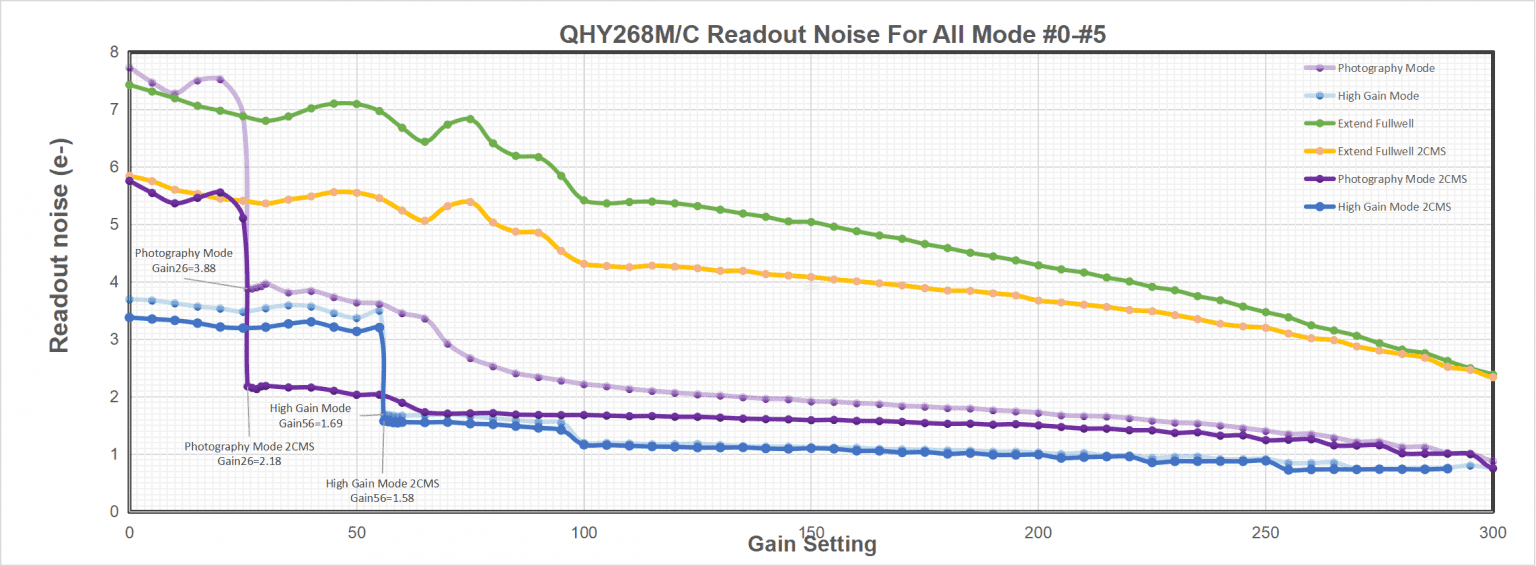
With read noise as low as approximately 1.1 electrons, the QHY268C-PH can capture weak astronomical signals while maintaining excellent image quality.
This makes the camera particularly suitable for:
- Galaxies
- Emission nebulae
- Reflection nebulae
- Star clusters
- Wide-field deep-sky imaging
High Full-Well Capacity and Wide Dynamic Range
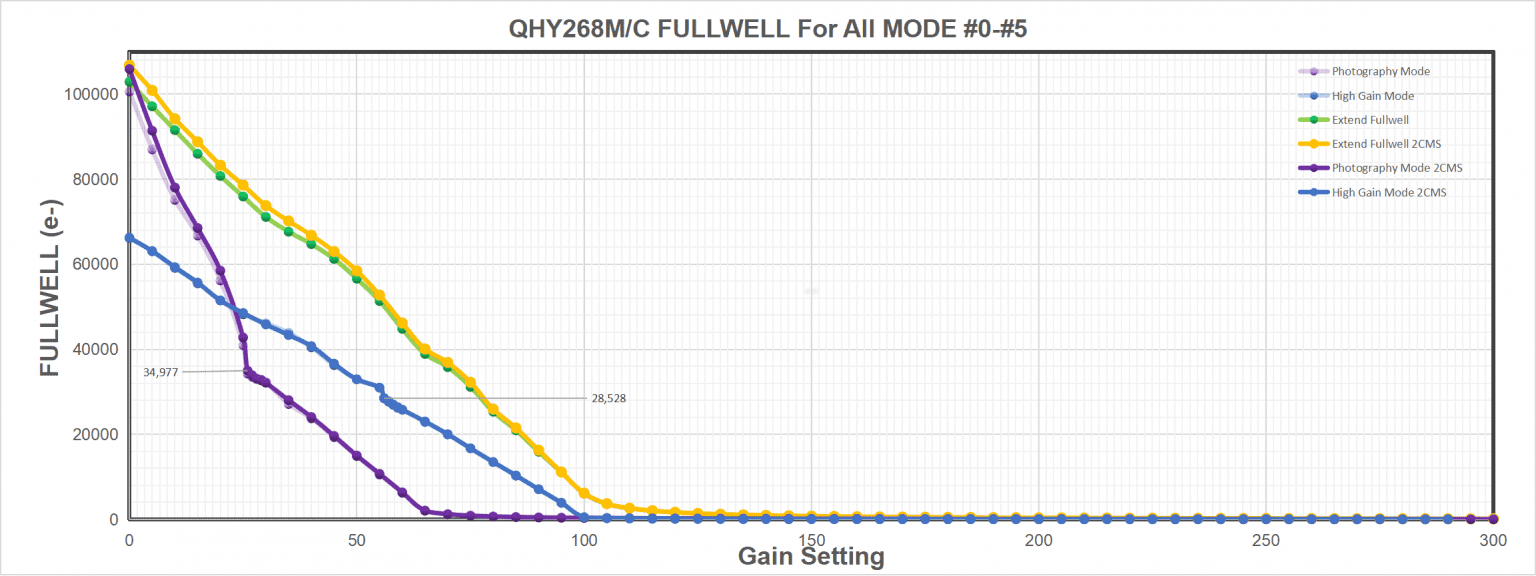
The QHY268C-PH provides a full-well capacity of more than 51,000 electrons in standard mode and up to approximately 80,000 electrons in Extended Full Well Mode.
A high full-well capacity allows the camera to record a wider range of brightness levels before individual pixels become saturated.
This is especially useful when imaging objects with both bright and faint regions, such as:
- Bright stars surrounded by faint nebulae
- Galaxy cores with delicate outer structures
- High dynamic range astronomical scenes
Advanced Dual-Stage TEC Cooling System
Long-exposure astrophotography requires effective thermal management to reduce unwanted noise.
The QHY268C-PH features a dual-stage TEC cooling system capable of reducing the sensor temperature by approximately 35°C below ambient temperature during long exposures.
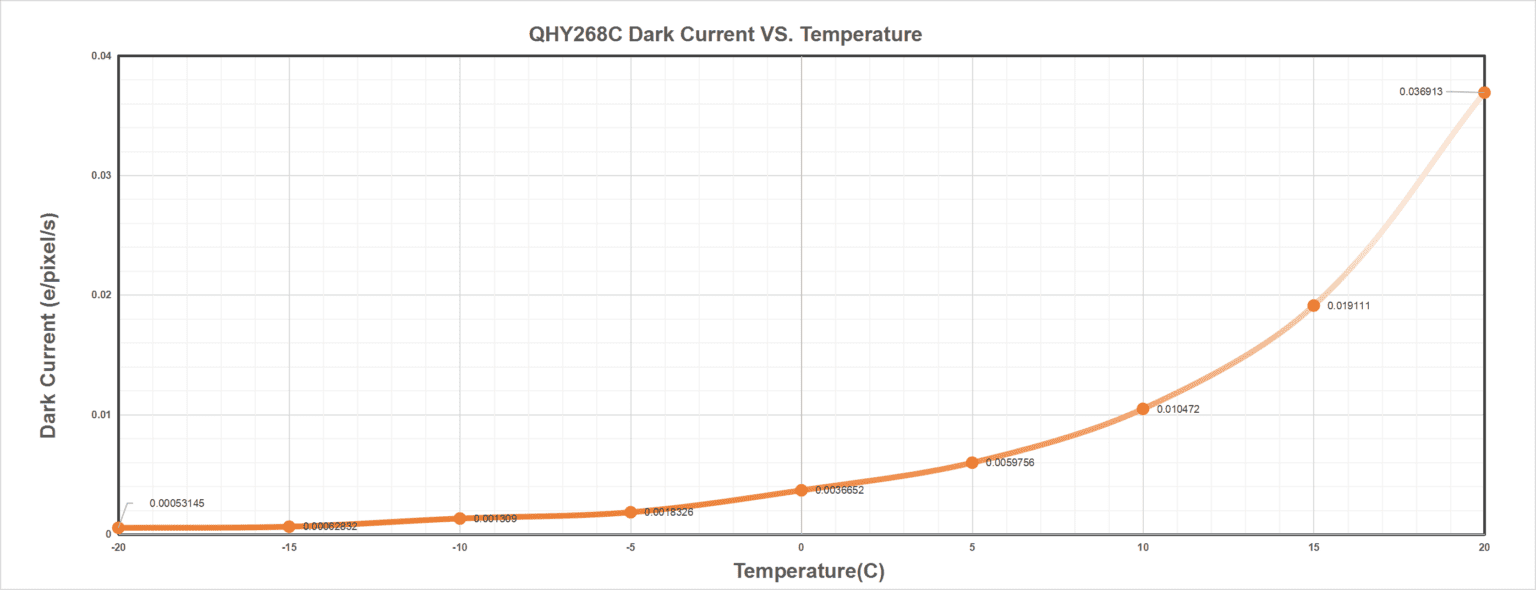
By keeping the sensor cool and stable, the camera reduces dark current and thermal noise, resulting in cleaner images and more consistent calibration frames.
Zero Amplifier Glow Technology
The QHY268C-PH incorporates Zero Amplifier Glow technology, eliminating unwanted glow patterns that can appear in some CMOS cameras during long exposures.
This is especially valuable for deep-sky imaging, where exposures may last several minutes and even small artifacts can affect image quality.
Advanced Readout Modes (2CMS Technology)
QHYCCD’s 2CMS readout technology provides multiple operating modes that allow users to optimize camera performance according to their imaging requirements.
These modes can help balance:
- Lower read noise
- Higher dynamic range
- Improved sensitivity
This flexibility allows astrophotographers to select the best camera settings depending on the target and imaging conditions.
1GB DDR3 Internal Buffer Memory
The camera includes 1GB DDR3 internal image buffer memory, helping maintain stable data transfer from the high-resolution sensor.
The buffer reduces the risk of interruptions during long imaging sessions and improves overall reliability when capturing many high-resolution exposures.
Images are transferred through a high-speed USB 3.0 interface.
Anti-Dew Protection and Optical Window
The QHY268C-PH includes a built-in anti-dew heater to help prevent condensation from forming on the optical window during cold and humid nights.
The optical window uses AR+AR multi-layer anti-reflection coating, improving light transmission and reducing unwanted reflections inside the optical system.
Short Back Focal Length Design
The QHY268C-PH features a compact 14.5 mm back focal length, making it easier to integrate into advanced imaging systems with accessories such as:
- Filter drawers
- Field flatteners
- Reducers
- Off-axis guiders
- DSLR lenses
The shorter back focus provides greater flexibility when building a compact astrophotography setup.
What Is the QHY268C-PH Used For?
The QHY268C-PH is designed primarily for deep-sky astrophotography, including:
- Galaxies
- Emission nebulae
- Reflection nebulae
- Planetary nebulae
- Star clusters
- Wide-field celestial objects
It is also suitable for astrophotographers who want to capture high-quality color images without the additional complexity of monochrome imaging.
Who Should Buy the QHY268C-PH?
The QHY268C-PH is designed for serious amateur astrophotographers and advanced enthusiasts who want excellent image quality with a simpler workflow.
It is an excellent choice for users who:
- Want a cooled color camera with professional performance.
- Prefer one-shot color imaging.
- Do not want to manage a filter wheel and multiple filters.
- Need low noise for long-exposure astrophotography.
- Own a telescope suitable for an APS-C sensor.
Compared with the QHY268M-PH, the QHY268C-PH is easier to use because it captures color images directly. The monochrome QHY268M-PH remains the better choice for users who want maximum flexibility with LRGB and narrowband imaging.
Professional Color Imaging Made Simpler
The QHYCCD QHY268C-PH combines the advanced performance of a professional cooled astronomy camera with the convenience of one-shot color imaging.
Its combination of:
- Sony IMX571 BSI color sensor
- 26MP APS-C resolution
- Native 16-bit output
- Low read noise
- High dynamic range
- Advanced TEC cooling
- Zero amplifier glow
- Simple color workflow
makes it a powerful and versatile camera for serious astrophotographers.
For users who want professional-quality deep-sky images while keeping their imaging system simpler and easier to operate, the QHY268C-PH is an outstanding choice.
Key Features of QHYCCD QHY268C-PH Color Cooled Astronomy Camera
- Sony IMX571 Back-Illuminated (BSI) Color CMOS Sensor – Features a highly sensitive APS-C sensor with excellent quantum efficiency, low noise, and outstanding performance for deep-sky astrophotography.
- 26 Megapixel APS-C Sensor – Provides a 23.5 × 15.7 mm imaging area with 3.76 μm pixels, offering an ideal balance between resolution, sensitivity, and field of view.
- Native 16-bit ADC – Delivers 65,536 levels of brightness information for smoother gradients, higher dynamic range, and greater flexibility during image processing.
- One-Shot Color Imaging (OSC) – The built-in Bayer color filter allows capturing full-color images without requiring a filter wheel and separate LRGB filters.
- Back-Side Illumination (BSI) Technology – Improves photon collection efficiency by positioning the light-sensitive area closer to incoming light, increasing sensitivity for faint astronomical objects.
- High Quantum Efficiency and Low Read Noise – Provides excellent signal quality with read noise as low as approximately 1.1 electrons, allowing detailed imaging of faint nebulae and galaxies.
- High Full-Well Capacity – Offers more than 51,000 electrons in standard mode and up to approximately 75,000–80,000 electrons in Extended Full Well Mode for improved dynamic range.
- Dual-Stage TEC Cooling System – Reduces sensor temperature by approximately 35°C below ambient temperature, minimizing thermal noise during long exposures.
- Zero Amplifier Glow Technology – Eliminates unwanted amplifier glow during long exposures, producing cleaner astronomical images.
- 1GB DDR3 Internal Image Buffer – Provides smoother data transfer and more stable operation when capturing high-resolution images.
- Multiple Readout Modes (2CMS Technology) – Allows users to optimize camera performance for different imaging conditions by balancing read noise, sensitivity, and dynamic range.
- True RAW Image Output – Preserves original sensor data for maximum flexibility during professional astrophotography processing.
- Electronic Rolling Shutter – Provides reliable operation for long-exposure deep-sky imaging.
- AR+AR Multi-Layer Anti-Reflection Optical Window – Reduces reflections and improves light transmission through the optical path.
- Built-In Anti-Dew Heater – Helps prevent condensation on the optical window during cold and humid imaging sessions.
- USB 3.0 High-Speed Interface – Enables fast transfer of large 26-megapixel image files.
- Short Back Focal Length Design – Provides a 14.5 mm back focal length, making the camera easier to integrate with filter drawers, adapters, reducers, and DSLR lenses.
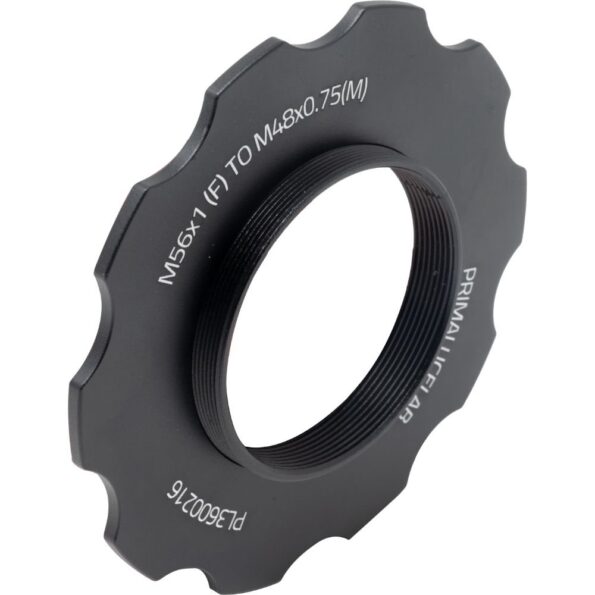
- Compatible with Wide Range of Telescopes – Supports M54 and M48 connections through suitable adapters.
- Ideal for Deep-Sky Astrophotography – Perfect for capturing galaxies, nebulae, star clusters, and wide-field celestial objects.
- Beginner-Friendly Professional Camera – Combines professional cooled-camera performance with the simplicity of one-shot color imaging.
Mechanical Dimensions
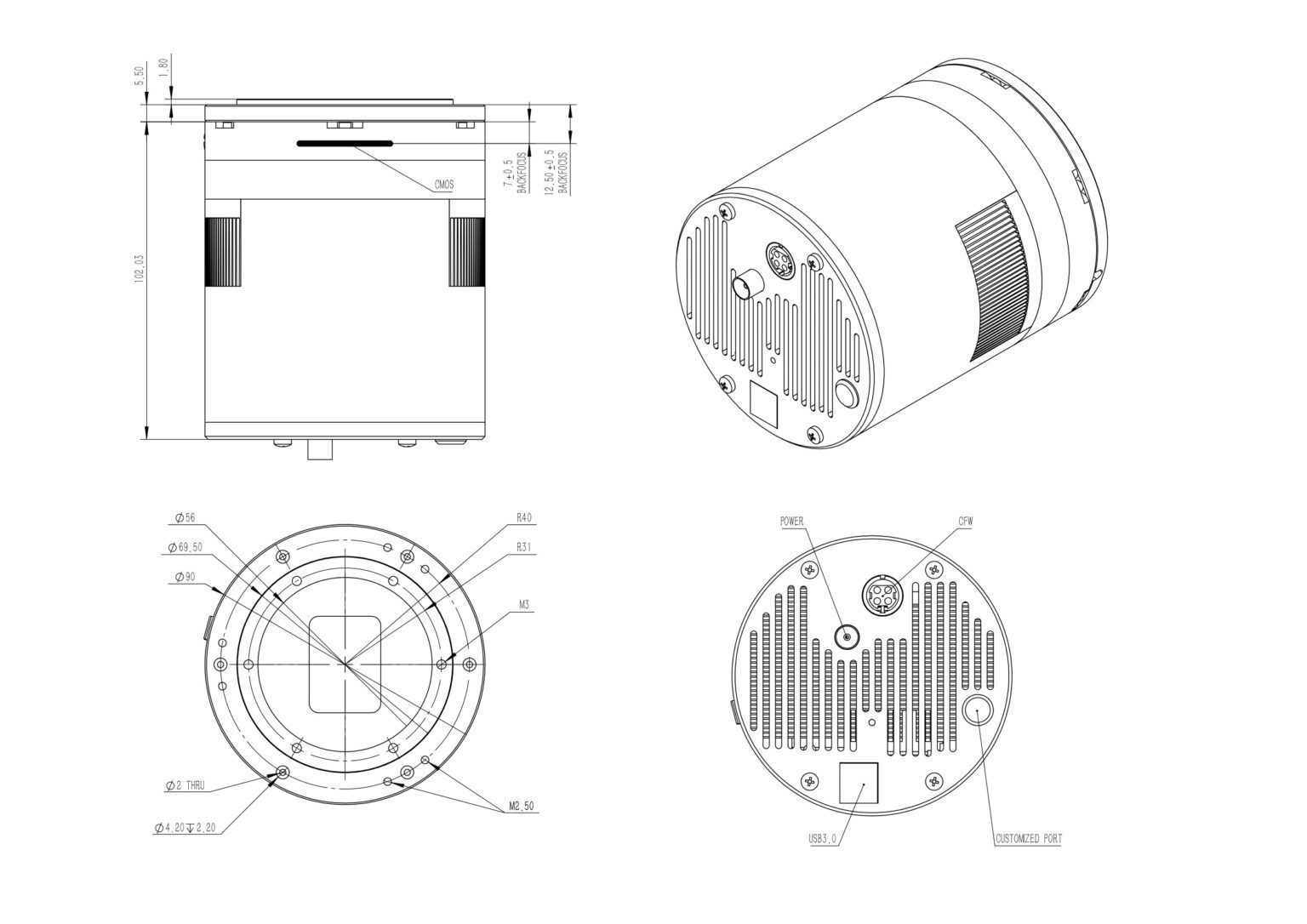
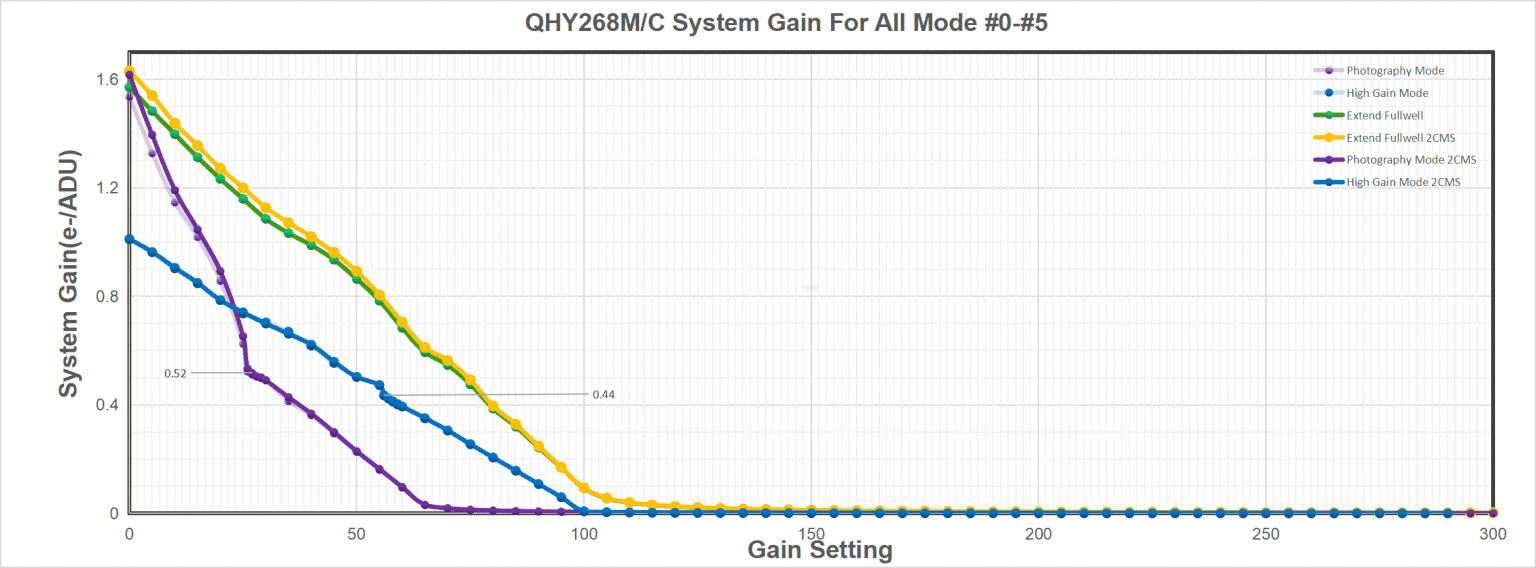
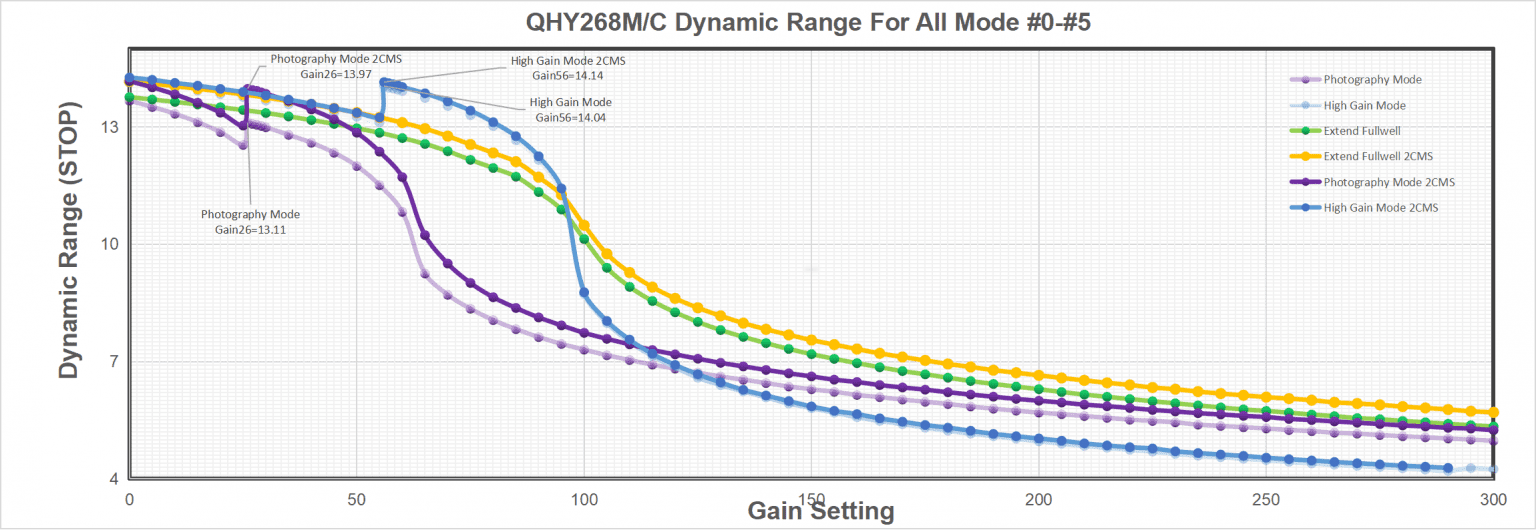
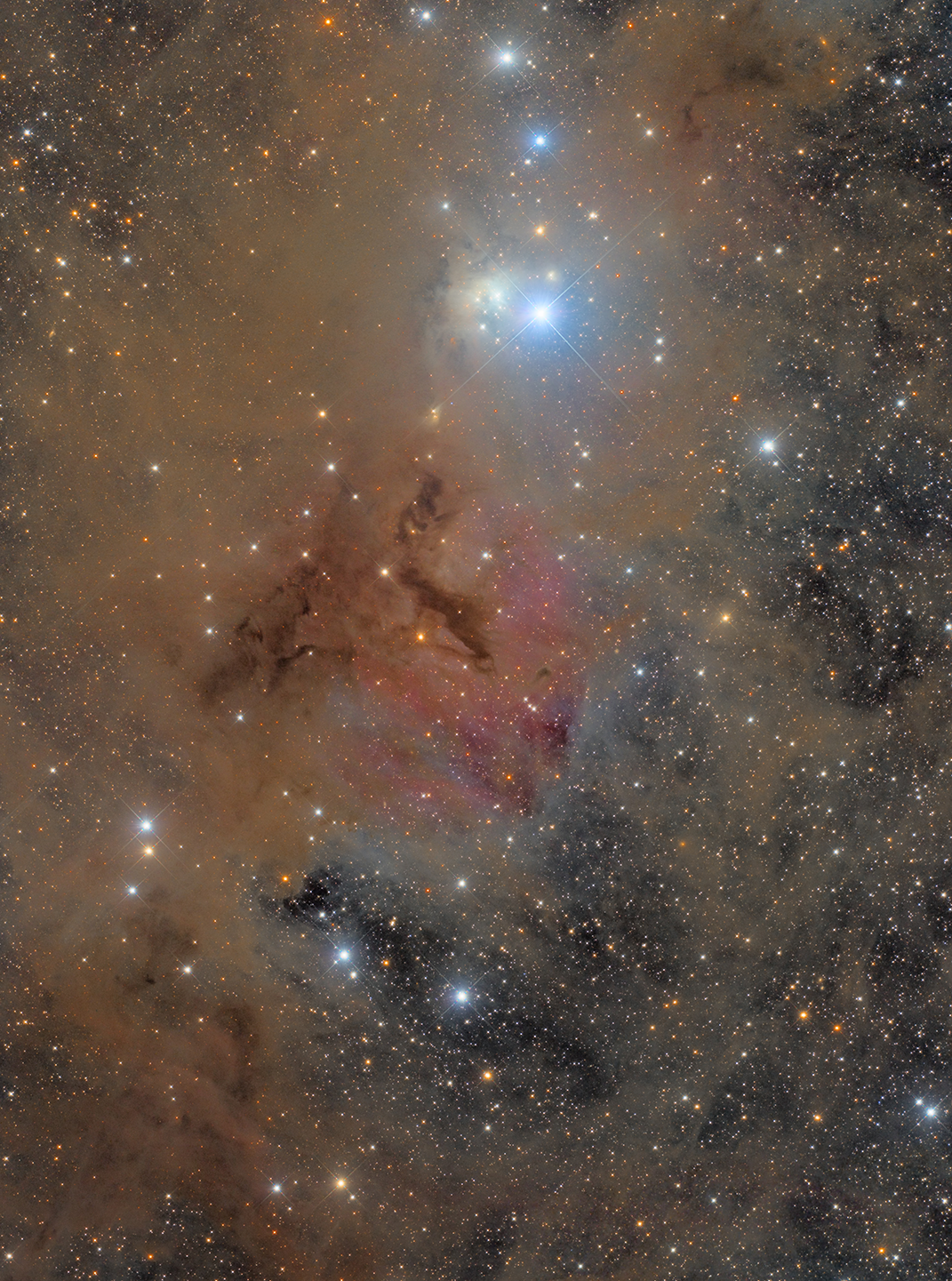
by Steed Yu, QHY268C
https://www.astrobin.com/fiyi3z/?nc=user
QHY268M-PH vs QHY268C-PH — Which One Should You Choose?
The QHY268M-PH and QHY268C-PH are based on the same advanced camera platform, featuring the Sony IMX571 back-illuminated APS-C sensor, 26-megapixel resolution, 3.76 μm pixels, native 16-bit ADC, advanced cooling, and low-noise performance. The main difference is the sensor type: monochrome or color.
| Feature | QHY268M-PH | QHY268C-PH |
|---|---|---|
| Sensor Type | Monochrome CMOS | Color CMOS (One-Shot Color) |
| Sensor | Sony IMX571M BSI | Sony IMX571C BSI |
| Resolution | 26 Megapixels | 26 Megapixels |
| Pixel Size | 3.76 μm | 3.76 μm |
| Color Imaging Method | Requires LRGB filters and filter wheel | Captures color images directly using built-in Bayer matrix |
| Filter Wheel Required | Recommended | Not required |
| Sensitivity | Higher, because every pixel captures all incoming light | Slightly lower due to the Bayer color filter array |
| LRGB Imaging | Excellent — maximum flexibility | Not possible in true monochrome workflow |
| Narrowband Imaging | Best performance with H-alpha, OIII, SII filters | Possible with suitable dual-band and narrowband filters |
| Image Processing | More advanced and flexible | Easier and faster workflow |
| Setup Complexity | More complex | Simpler |
| Best For | Serious astrophotographers seeking maximum image quality | Astrophotographers who want professional quality with easier operation |
Choose QHY268M-PH If:
- You want the highest possible performance from a 26MP APS-C camera.
- You plan to use LRGB filters and a motorized filter wheel.
- You are interested in advanced narrowband astrophotography.
- You enjoy detailed image processing and maximum control over the final image.
- You want the best possible results for faint nebulae and galaxies.
Choose QHY268C-PH If:
- You prefer a simpler imaging system.
- You want to capture color images without a filter wheel.
- You want professional cooled-camera performance with a faster workflow.
- You are upgrading from a DSLR or an entry-level color astronomy camera.
- You want excellent results while spending less time managing equipment.
In Simple Words:
QHY268M-PH = Maximum Control and Maximum Potential
A monochrome camera is the choice of many advanced astrophotographers because it provides the highest flexibility and the best performance with LRGB and narrowband filters.
QHY268C-PH = Professional Quality with Simplicity
A color camera is easier to use because it can capture full-color images directly, making it an excellent choice for users who want high-quality astrophotography with a simpler setup.
Reviews


0.0 Average Rating Rated (0 Reviews)