

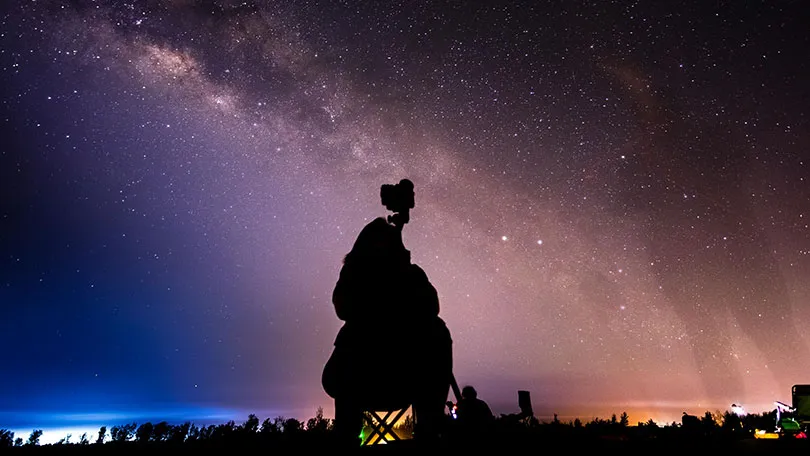
Astrophotography begins long before the camera shutter opens. It starts with an optical system that can reveal the delicate structure of a distant nebula, the soft glow of a star cluster, or the fine details of the Moon and planets with clarity and consistency.
Refractor telescopes have played an important role in astronomy since the earliest days of telescope observing: the first working telescopes appeared in the Netherlands in 1608, and in 1609, Galileo improved the design and turned it toward the night sky.
Today’s astrophotography refractors carry that same simple lens-based idea forward with modern ED glass, improved coatings, and precise mechanics designed for clean, high-contrast images.
For many newcomers and experienced imagers, the Best Refractor Telescopes for Astrophotography remain a trusted choice because they are easy to use, require little maintenance, and can produce sharp stars across the frame.
Unlike reflector telescopes, which may require regular collimation, a quality refractor is usually ready to image with far fewer adjustments.
Whether you are capturing your first wide-field view of the Milky Way or building a more advanced deep-sky setup for galaxies and nebulae, this guide will introduce ten excellent refractor telescopes, explain the key features worth comparing, and help you choose a model that fits both your imaging goals and budget.
What Is a Refractor Telescope for Astrophotography?
A refractor telescope for astrophotography uses lenses to gather and focus light, making it an excellent choice for capturing detailed images of the Moon, planets, nebulae, galaxies, and star clusters.
Read more about Telescope for Astrophotography to explore more detailed information and guidance.
Many beginners and experienced astrophotographers prefer refractors because they are easy to use, require very little maintenance, and produce sharp, high-contrast images. A quality refractor can help you achieve cleaner stars and more accurate colors, especially when equipped with ED or APO optics.
Advantages of Refractor Telescopes for Astrophotography
- Sharp and high-contrast images
- Little to no maintenance required
- No mirror alignment (collimation) needed
- Excellent color correction in APO and ED models
- Compact and portable design
- Ideal for wide-field deep-sky photography
- Easy setup for beginners
- Reliable and consistent optical performance
Disadvantages of Refractor Telescopes for Astrophotography
- Higher cost compared to similar-sized reflector telescopes
- Larger apertures can be expensive
- Some entry-level models may show chromatic aberration
- Less light-gathering power than larger reflectors in the same price range
- Additional accessories, such as field flatteners, may be needed for the best imaging results
Overall, refractor telescopes remain one of the most popular choices for astrophotography because they offer a combination of simplicity, image quality, and reliability that helps users capture stunning images of the night sky with confidence.
What to Look for in an Astrophotography Refractor Telescope
Before investing in a refractor telescope for astrophotography, it is important to understand the key features that can affect image quality and overall performance. Choosing the right combination of optics, mechanics, and compatibility will help you achieve better results and enjoy a smoother imaging experience.
To better understand the different designs and categories available, you can also explore Types of Telescopes, which explains the main telescope types in a simple and clear way.
Aperture
Aperture refers to the diameter of the telescope's main lens. It determines how much light the telescope can collect from distant objects in space. A larger aperture allows more light to reach your camera sensor, resulting in brighter images and the ability to capture finer details in galaxies, nebulae, and star clusters.
For most astrophotographers, refractors with apertures between 60mm and 120mm offer an excellent balance between performance, portability, and cost. Beginners often start with an 80mm refractor, while more advanced users may prefer 100mm or larger models for improved image quality.
Focal Length
Focal length affects magnification and the field of view of your images. Telescopes with shorter focal lengths provide a wider view of the sky, making them ideal for photographing large objects such as the Andromeda Galaxy, the North America Nebula, or the Orion Nebula.
Longer focal lengths provide higher magnification and are better suited for smaller targets, including planetary nebulae and distant galaxies. Many astrophotographers choose refractors with focal lengths between 400mm and 800mm because they offer excellent versatility for a wide range of deep-sky objects.
Glass Quality
The quality of the optical glass plays a major role in image sharpness and color accuracy. Standard refractors may produce chromatic aberration, which appears as unwanted purple or blue halos around bright stars.
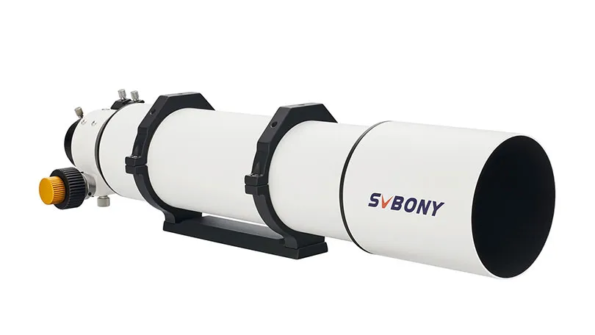
To reduce this effect, many astrophotography telescopes use ED (Extra-Low Dispersion) or APO (Apochromatic) glass. These advanced optical designs improve color correction, increase contrast, and create sharper images. If astrophotography is your primary goal, investing in an ED or APO refractor is highly recommended.
Focuser Quality
Achieving accurate focus is one of the most important steps in astrophotography. Even a slight focus error can reduce image sharpness and hide fine details.
A high-quality dual-speed focuser allows precise adjustments and helps you achieve perfect focus more easily. This becomes even more important when using heavy cameras, filter wheels, or other imaging accessories. A strong focuser should move smoothly while holding equipment securely without slipping.
Mount Compatibility
Even the most expensive telescope cannot produce great astrophotography results without a reliable mount. The mount is responsible for tracking celestial objects as the Earth rotates, allowing your camera to capture long-exposure images without star trails.
Before purchasing a refractor telescope, make sure it is compatible with a sturdy equatorial mount that can support its weight and accessories. Many experienced astrophotographers consider the mount to be just as important as the telescope itself. A stable tracking system can significantly improve image quality and make astrophotography much more enjoyable.
Weight and Portability
The size and weight of a telescope can affect how often you use it. A lighter refractor is easier to transport, set up, and mount, making it a great option for beginners and travelers.
Portable refractors are especially useful for astrophotographers who frequently visit dark-sky locations. While larger telescopes may offer more light-gathering power, a compact and lightweight setup is often more practical and enjoyable for regular use.
Imaging Accessories Compatibility
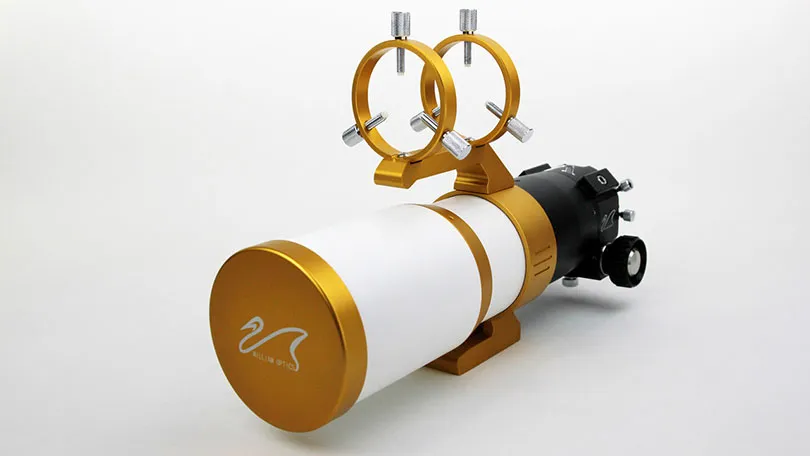
Many astrophotographers eventually add accessories such as field flatteners, focal reducers, guide scopes, filters, and dedicated astronomy cameras. Telescope Accessories When choosing a refractor telescope, it is worth checking whether these accessories can be easily attached.
A telescope with good accessory support gives you more flexibility to upgrade your setup in the future and improve your imaging capabilities as your experience grows.
Build Quality
A well-built telescope can provide years of reliable performance. Look for models with durable construction, high-quality lens coatings, precision-machined components, and a sturdy tube assembly.
Strong build quality not only improves durability but also helps maintain optical alignment and consistent imaging performance over time. For serious astrophotography, investing in a telescope from a trusted manufacturer is often a smart long-term decision.
Types of Refractor Telescopes for Astrophotography
Achromatic Refractors
They are the most affordable option and are suitable for beginners, although they may produce some color fringing around bright objects. ED (Extra-Low Dispersion) Refractors use special glass to reduce chromatic aberration and deliver sharper, more color-accurate images, making them a popular choice for deep-sky photography.
Apochromatic (APO) Refractors
Offer even better color correction by using advanced lens designs, producing high-contrast images with excellent star quality, and are often considered the gold standard for astrophotography. Triplet APO Refractors use three lens elements to achieve superior optical performance and are favored by serious astrophotographers seeking the best image quality.
Finally, Petzval Refractors feature a built-in field-flattening design that helps create sharp stars across the entire image frame, making them especially attractive for wide-field astrophotography and modern camera sensors.
10 Best Refractor Telescopes for Astrophotography
When it comes to astrophotography, not all refractor telescopes are created equal. The best models combine apochromatic (APO) optics, excellent color correction, sharp stars across the field, and a focal length that matches your imaging goals.
For most deep-sky photographers, refractors between 50mm and 120mm aperture offer the ideal balance of image quality, portability, and ease of use. High-quality ED or triplet APO optics are particularly important because they minimize chromatic aberration and produce cleaner images.
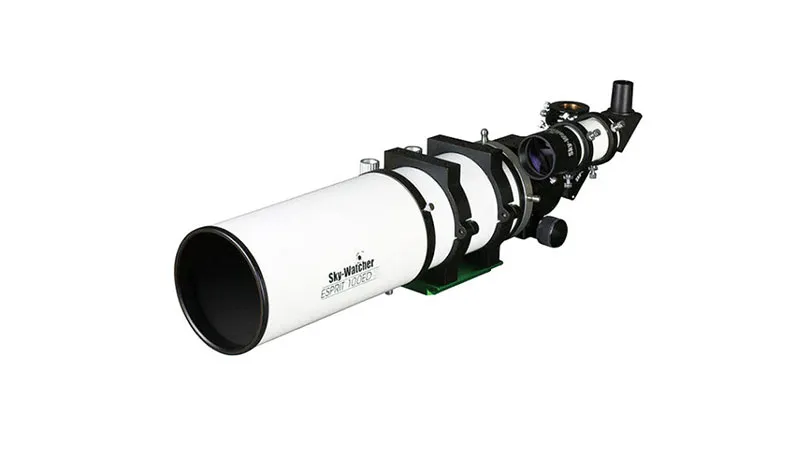
1. Sky-Watcher Esprit 100ED
The Sky-Watcher Esprit 100ED has earned a strong reputation among astrophotographers worldwide. Its triplet APO design delivers excellent color correction and sharp stars across the image field.
Key Features:
- 100mm aperture
- Triplet APO optics
- Excellent deep-sky performance
- High-quality field flattener included
2. William Optics GT81
The GT81 is compact, portable, and highly respected for wide-field imaging.
Key Features:
- 81mm aperture
- APO triplet design
- Lightweight construction
- Great for travel astrophotography
3. Explore Scientific ED102
This telescope balances performance and affordability while delivering impressive imaging results.
Key Features:
- 102mm aperture
- ED optics
- Strong mechanical construction
- Excellent value
4. Askar FRA500
The FRA500 has become increasingly popular due to its Petzval optical design.
Key Features:
- Integrated flat field
- Sharp stars edge-to-edge
- Excellent imaging platform
- Easy camera integration
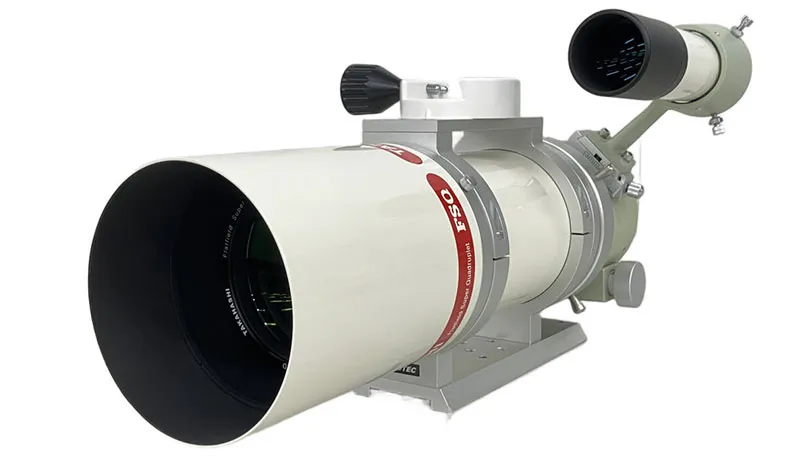
5. Takahashi FSQ-106ED
Often considered a dream telescope for serious astrophotographers. Key Features:
- Premium optics
- Exceptional field flatness
- Professional imaging performance
- Outstanding build quality
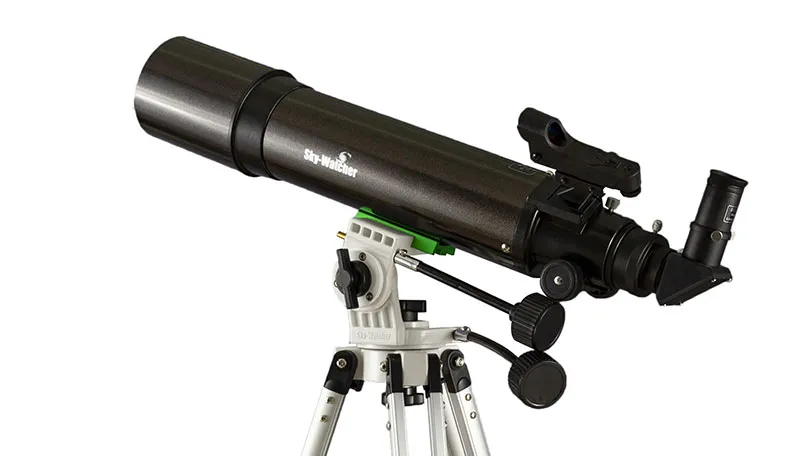
6. Sky-Watcher Evostar 80ED
One of the most recommended beginner astrophotography telescopes. Why It Stands Out:
- Excellent ED optics
- Affordable price
- Lightweight design
- Proven imaging performance
7. Sky-Watcher Evostar 100ED
A step up in aperture while maintaining impressive image quality.
- Better light gathering
- High contrast views
- Excellent for deep-sky photography
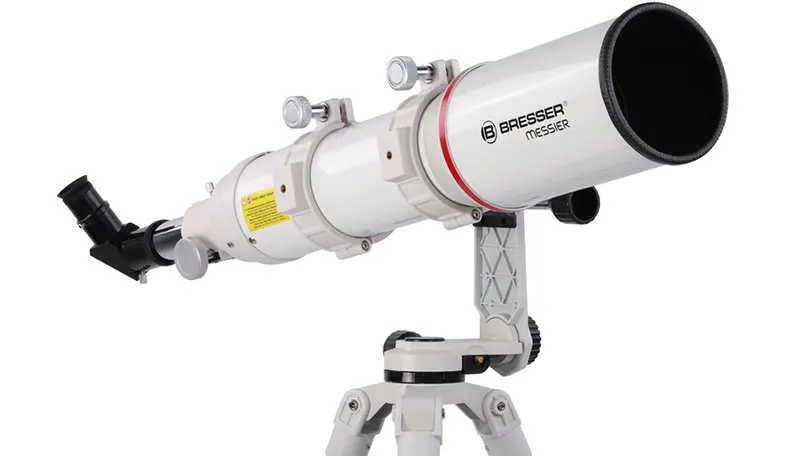
8. Bresser Messier AR-102
A versatile telescope suitable for visual observation and imaging. Why It Stands Out:
- Reliable optics
- Strong mechanical design
- Good value for money
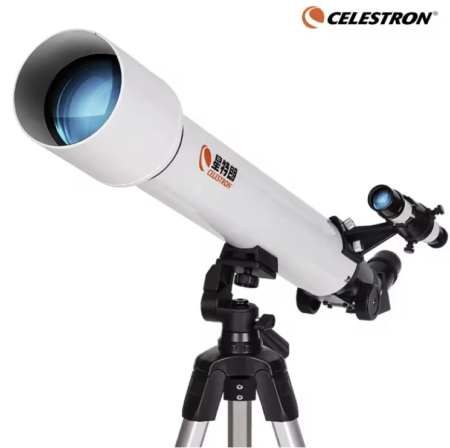
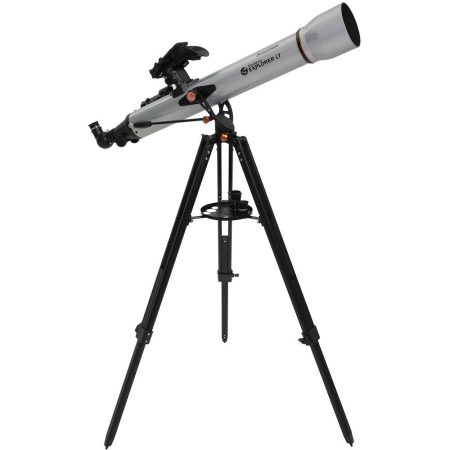
9. Celestron StarSense Explorer DX 102AZ
Ideal for newcomers entering astronomy and basic imaging.
Why It Stands Out
- User-friendly setup
- Smartphone-assisted navigation
- Quality optics
10. Sky-Watcher StarTravel 102
A popular choice for wide-field imaging and observing.
- Wide field of view
- Portable design
- Great beginner option
Comparison
| Telescope | Aperture | Optical Design | Best For |
|---|---|---|---|
| Sky-Watcher Esprit 100ED | 100mm | APO Triplet | Deep Sky Imaging |
| William Optics GT81 | 81mm | APO Triplet | Wide Field Imaging |
| Explore Scientific ED102 | 102mm | ED Doublet | General Astrophotography |
| Askar FRA500 | 90mm | Petzval | Advanced Imaging |
| Takahashi FSQ-106ED | 106mm | Quadruplet | Professional Imaging |
| Sky-Watcher Evostar 80ED | 80mm | ED Doublet | Beginners |
| Sky-Watcher Evostar 100ED | 100mm | ED Doublet | Intermediate Users |
| Bresser Messier AR-102 | 102mm | Achromatic | Budget Imaging |
| Celestron StarSense DX 102AZ | 102mm | Refractor | Beginners |
| Sky-Watcher StarTravel 102 | 102mm | Refractor | Wide-Field Viewing |
Tips for Choosing the Best Refractor Telescope for Astrophotography
When comparing options, focus on your imaging goals rather than simply choosing the largest telescope, including Dobsonian Telescopes for visual observing.
If your primary interest is nebulae and galaxies:
- Choose APO optics
- Look for field flattener compatibility
- Prioritize the mount quality
- Select a suitable focal length
If you are a beginner:
- Start with an 80mm ED refractor
- Invest in a reliable equatorial mount
- Learn image processing gradually
A quality astrophotography refractor telescope combined with a stable mount will often produce better results than a larger telescope on an unstable setup.
Trusted Experience and Modern Telescope Solutions
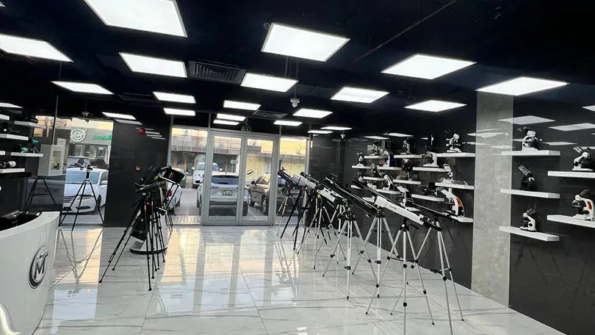
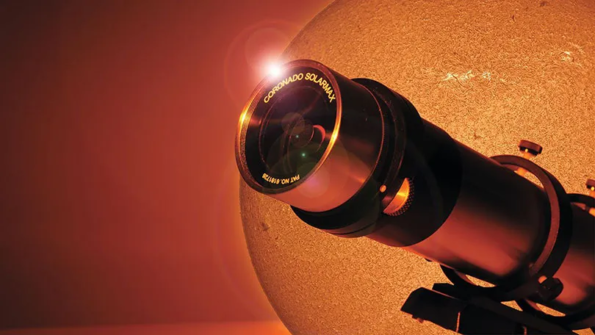
Choosing a telescope is a long-term investment, and real experience makes a big difference when guiding customers toward the right decision. With more than 25 years of activity in Iran and over 15 years in Dubai, we have supported astronomy enthusiasts through DubaiTelescope.com in Iran and Magic Shop in Dubai, helping them select the right equipment with honest advice, reliable support, and trusted optical products, including Solar Telescopes.
Over the years, many classic telescope brands such as Orion and Meade, which were once widely used and highly popular among amateur astronomers, have gradually seen major product lines discontinued or reduced in availability in today’s market.
However, this change has opened the door to much better options today. Modern refractor telescopes now offer improved lens coatings, sharper optical performance, stronger mechanical designs, and better imaging compatibility than many of those discontinued models.
Why Refractors Continue to Dominate Astrophotography
The popularity of refractor telescopes is not accidental. Their combination of optical precision, ease of use, and reliable imaging performance makes them ideal for capturing detailed celestial images.
Many experienced astrophotographers still recommend refractors as their first choice because they simplify the imaging process and consistently deliver excellent results.
For this reason, the Best Refractor Telescopes for Astrophotography continue to be among the most sought-after instruments in amateur and professional astronomy.
Conclusion
Finding the Best Refractor Telescopes for Astrophotography depends on your experience level, budget, and imaging goals. Whether you choose a premium model like the Takahashi FSQ-106ED, a versatile option such as the Sky-Watcher Esprit 100ED, or one of the trusted models available through Dubai Telescope, a quality refractor can help you capture breathtaking images of the night sky.
The most important step is selecting a telescope that matches your needs today while allowing room for growth in the future. With modern optics, improved imaging accessories, and reliable support from experienced astronomy specialists, there has never been a better time to start exploring astrophotography.
As technology continues to advance, the Best Refractor Telescopes for Astrophotography offer more performance, value, and accessibility than ever before, helping astronomers around the world turn their passion for the universe into stunning images.
FAQ
For most users, an aperture between 80mm and 100mm provides an excellent balance of portability, image quality, and affordability.
Refractors are often easier to use, require less maintenance, and produce sharp, high-contrast images, making them popular for astrophotography.
An APO refractor is highly recommended because it reduces color fringing and improves image quality.
For astrophotography, the mount is often the most important component because accurate tracking is essential for sharp images.

No Comments