

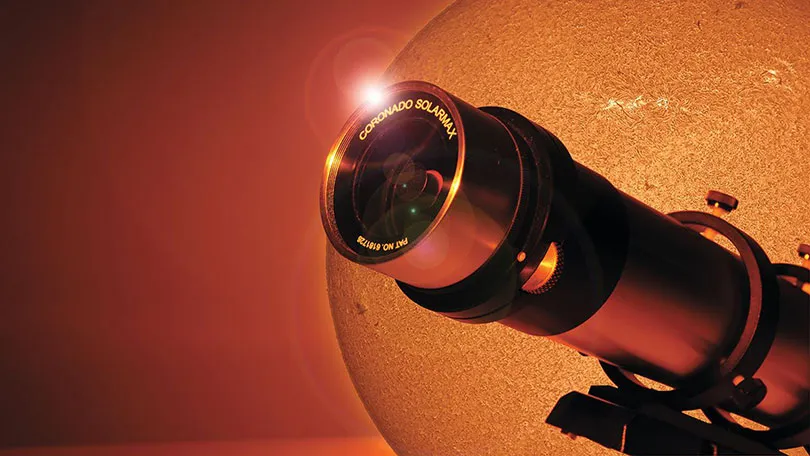
Observing the Sun is one of the most exciting and rewarding experiences in amateur astronomy. Unlike nighttime stargazing, solar observation allows you to explore fascinating details such as sunspots, solar prominences, filaments, and surface activity during the daytime.
However, viewing the Sun requires specialized equipment designed specifically for safe solar observation.
Choosing the right solar viewing telescope can make the difference between a basic glimpse of the Sun and an unforgettable astronomy experience. In this guide, we will explain what makes a great sun-viewing telescope, how to observe the sun through a telescope safely, and which models offer the best performance for beginners and experienced astronomers alike.
Why You Need a Dedicated Solar Telescope
Looking at the Sun without proper equipment can permanently damage your eyesight. A dedicated solar viewing telescope is specifically designed to filter harmful sunlight while revealing incredible solar details.
Modern solar telescopes allow observers to enjoy:
- Sunspots and solar granulation
- Solar flares and prominences
- Surface activity and magnetic regions
- High-contrast solar imaging
- Safe daytime astronomy
Whether you are a beginner or an advanced astrophotographer, a quality sun telescope view provides a completely different experience compared to standard nighttime telescopes.
What Are Telescopes for Viewing the Sun?
Telescopes for viewing the Sun are specially designed instruments that allow astronomers and skywatchers to observe the Sun safely while revealing details that are invisible to the naked eye.
Unlike ordinary telescopes, these systems use advanced solar filters or dedicated hydrogen-alpha technology to block harmful sunlight and provide a clear, detailed view of solar activity.
A quality solar viewing telescope can reveal sunspots, solar prominences, filaments, and surface features while protecting the observer’s eyes. Many modern sun-viewing telescope models are lightweight, easy to use, suitable for both visual observation and photography, and offer an exciting way to study our nearest star during the daytime.
What to Look for in a Solar Telescope
- Solar Filter Type: The most important feature of any solar viewing telescope. White-light filters show sunspots and the Sun’s surface, while Hydrogen-Alpha filters reveal prominences, filaments, and solar flares.
- Aperture Size: A larger aperture provides brighter images and more detail. For most users, a telescope with a 60mm to 100mm aperture offers an excellent balance between performance and cost.
- Viewing Quality: Choose optics that provide a sharp and detailed sun telescope view, especially if you want to observe fine solar features.
- Portability: Lightweight and compact telescopes are easier to transport, set up, and use at different observing locations.
- Imaging Capability: If you plan to photograph the sun through a telescope, look for models that support cameras, tracking mounts, and astrophotography accessories. You can also improve your setup with the right Solar Telescope Accessories, such as solar filters, adapters, and imaging tools designed for safe and clear solar observation.
- Ease of Use: Beginner-friendly telescopes with simple controls and quick setup make solar observing more enjoyable.
- Build Quality: Durable construction and high-quality optics ensure long-term reliability and consistent performance.
- Versatility: Some solar telescopes can also be used for nighttime astronomy, providing greater value and flexibility.
- Budget: Determine whether you need a basic sun viewing telescope for casual observation or an advanced model for detailed solar imaging.
- Upgrade Options: Telescopes that support additional filters, cameras, and accessories allow you to expand your solar observing capabilities over time.
Best Telescopes for Viewing the Sun
The Best Telescopes for Viewing the Sun, Features and Applications:
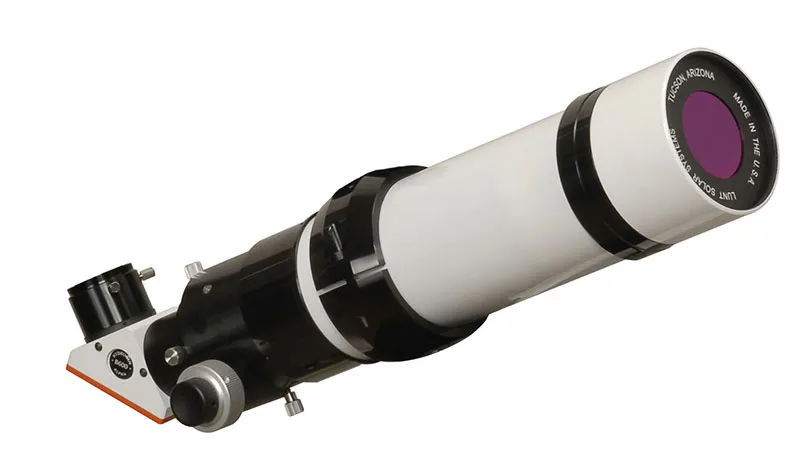
Lunt LS60THa Solar Telescope
Why It Stands Out: The Lunt LS60THa has earned a reputation as one of the finest dedicated solar telescopes available today. It delivers outstanding contrast, sharp prominences, and excellent surface detail.
Key Features:
- 60mm aperture
- Hydrogen-alpha system
- Pressure-tuning technology
- Excellent visual performance
- Imaging-friendly design
Best for serious solar observers who want an impressive sun telescope view.
Coronado Personal Solar Telescope (PST)
Why It Stands Out: The Coronado PST remains one of the most popular entry-level solar telescopes ever produced. Compact and easy to use, it provides a safe and enjoyable introduction to solar astronomy.
Key Features:
- 40mm aperture
- Hydrogen-alpha viewing
- Lightweight design
- Beginner-friendly operation
- Portable for travel
Ideal for newcomers exploring their first solar viewing telescope.
Lunt LS80MT Universal Telescope
Why It Stands Out: The LS80MT is unique because it works both as a solar telescope and a nighttime telescope. This flexibility makes it a favorite among enthusiasts who want maximum value.
Key Features:
- 80mm aperture
- Day and night functionality
- High-quality optics
- Excellent imaging performance
- Modular design
One telescope can provide an incredible sun-viewing experience during the day and deep-sky observation at night.
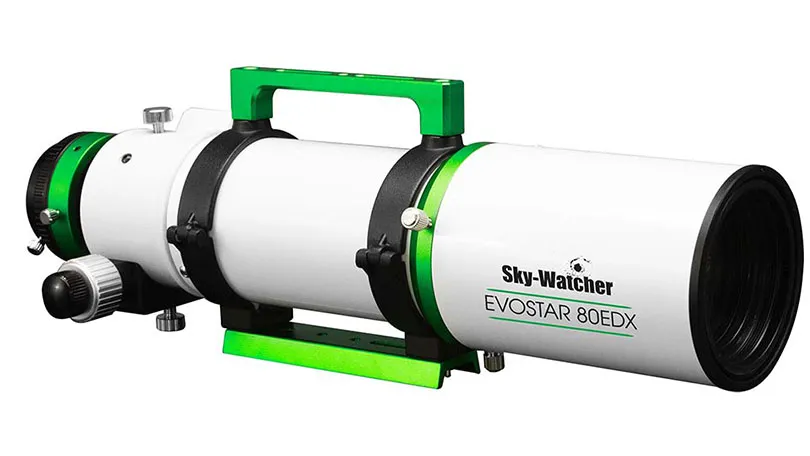
Sky-Watcher Evostar 80ED with Solar Filter
Why It Stands Out: The Evostar 80ED is widely respected for its sharp optics and versatility. When paired with a quality solar filter, it becomes an excellent white-light solar telescope.
Key Features:
- ED refractor optics
- Outstanding image sharpness
- Great for astrophotography
- Reliable construction
- Long-term investment
Perfect for observers who already enjoy astronomy and want to observe the sun through a telescope safely.
Celestron Inspire 100AZ with Solar Filter
Why It Stands Out: This beginner-friendly telescope offers easy setup and a larger aperture than many entry-level models.
Key Features:
- 100mm aperture
- User-friendly mount
- Affordable price
- Bright solar images
- Family-friendly design
An excellent first solar viewing telescope for households and educational programs.
Lunt LS50THa
The LS50THa offers outstanding hydrogen-alpha performance in a compact package. It is ideal for observers seeking a balance between portability and solar detail.
Key Features:
- 50mm aperture
- Pressure-tuned optics
- Portable design
- Excellent solar contrast
Coronado SolarMax III 70
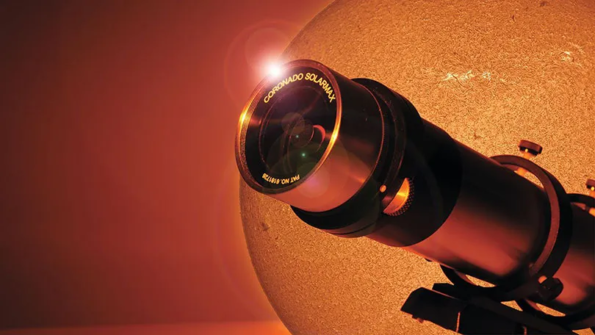
The Coronado SolarMax III 70 is a premium H-alpha telescope for high-contrast solar observing. The 70mm version is listed with a 70mm aperture, 400mm focal length, f/5.7 focal ratio, and external H-alpha etalon system. It is a strong choice for observers who want sharper surface detail, prominences, and a more advanced Coronado solar setup.
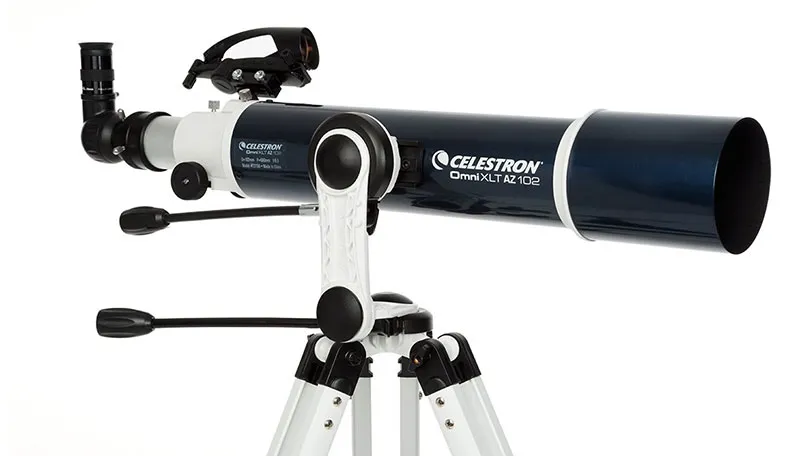
Celestron Omni XLT 102 with Solar Filter
A proven refractor that delivers crisp solar observations and doubles as a capable nighttime telescope.
Key Features:
- High-quality optics
- Durable construction
- Versatile use
- Good imaging potential
William Optics ZenithStar 81 with Solar Filter
A premium refractor known for excellent optical quality and versatility.
Key Features:
- ED optics
- Compact design
- Excellent image quality
- Great for photography
Finding Replacements for Discontinued Products
Many astronomy enthusiasts remember trusted telescope brands and models that were once popular in the market but are no longer available. If you have been searching for a replacement for an older Orion or Meade product, there is good news.
Today's market offers many high-quality alternatives that match or even exceed the performance of those classic models. With more than 25 years of experience serving astronomers in Iran and over 15 years supporting customers in Dubai, experienced telescope specialists can help you find the right replacement based on your goals, budget, and observing style rather than simply focusing on a brand name.
Our Suggestion: Solar Telescopes Worth Considering
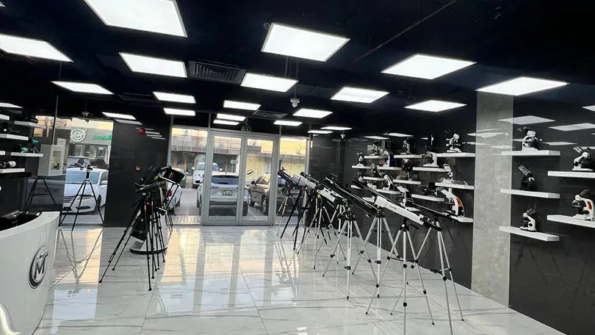
If you are looking for a reliable solar telescope, Dubai Telescope offers several strong options for different experience levels, from compact beginner-friendly models to advanced systems for serious solar observation and imaging.
You can also explore their full collection of Solar Telescopes to compare models based on your observing needs.
- Lunt 40 mm H-Alpha Solar Telescope - B600, Helical Focuser: A compact and portable H-alpha solar telescope, ideal for beginners, educators, and users who want a simple way to observe solar prominences, filaments, and surface activity safely.
- Lunt 60mm LS60MT/B1200 Universal Day & Night Telescope: A versatile modular telescope that can be used for H-alpha solar viewing during the day and general astronomy at night. It is a great option for users who want one telescope for multiple observing purposes.
- Lunt 80mm LS80MT/B1800 Universal Day & Night Telescope: A more advanced choice for solar observers and astrophotographers. Its larger aperture, ED optics, and B1800 blocking filter make it suitable for detailed solar viewing and imaging.
- Lunt 100mm LS100MT/B1200 Universal Day & Night Telescope: A premium option for experienced users who want higher resolution, stronger light-gathering ability, and excellent performance for both solar and nighttime observations.
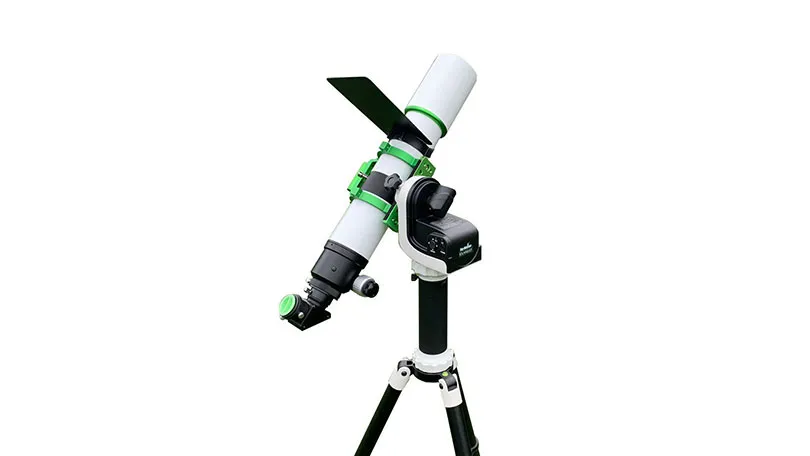
- Sky-Watcher Heliostar 76 H-Alpha OTA: The Sky-Watcher Heliostar 76 H-alpha is a strong modern H-alpha option for detailed views of the Sun’s chromosphere. It has a 76mm aperture and is tuned to less than 0.5Å natively, which helps reveal rich surface detail and high-contrast solar features. It is best for observers who want a more advanced solar telescope without moving into the most expensive premium systems.
Safety Tips for Viewing the Sun
- Always Use Approved Solar Filters: Never observe the Sun without a certified solar filter.
- Check Equipment Before Every Session: Inspect filters for scratches, holes, or damage.
- Avoid Improvised Solutions: Sunglasses, CDs, exposed film, and homemade filters are not safe.
- Supervise Children: Children should always use a sun viewing telescope under adult supervision.
Is a Solar Telescope Worth It?
For many astronomy enthusiasts, a solar telescope opens an entirely new side of the hobby. Instead of waiting for clear nighttime skies, you can observe fascinating solar activity during the day. From sunspots to prominences, the details visible through a quality solar viewing telescope can be truly breathtaking.
Conclusion
Solar astronomy is one of the most rewarding branches of amateur astronomy, offering a unique opportunity to study our nearest star in remarkable detail. Whether you choose a dedicated hydrogen-alpha telescope or a refractor equipped with a quality solar filter, the right solar viewing telescope will transform your daytime observing sessions.
The models featured in this guide represent some of the best options available today, providing safe, detailed, and enjoyable ways to observe the sun through a telescope. By selecting equipment that matches your experience level and observing goals, you can enjoy years of incredible solar discoveries and unforgettable views of the ever-changing Sun.
FAQ
No. You must use a certified solar filter or a dedicated solar telescope to safely view the Sun.
Hydrogen-alpha telescopes such as the Lunt LS60THa are among the best choices.
Yes, when used correctly and equipped with approved solar filtering systems.
Depending on the filter type, you can see sunspots, prominences, filaments, granulation, and solar flares.
Absolutely. Models like the Coronado PST provide an easy and safe introduction to solar observation.

No Comments