
Description
ToupTek ATR432C Color Astronomy Camera – High-Resolution Imaging for Deep-Sky Astrophotography
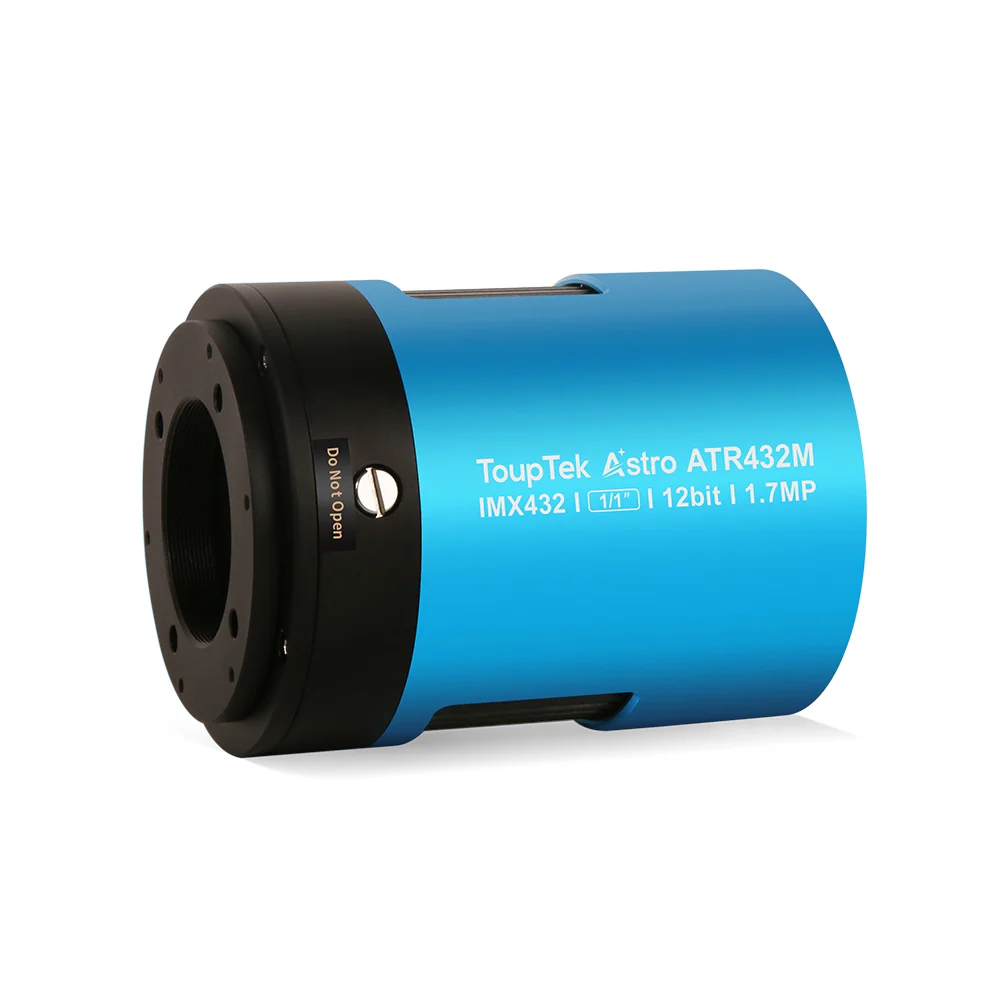
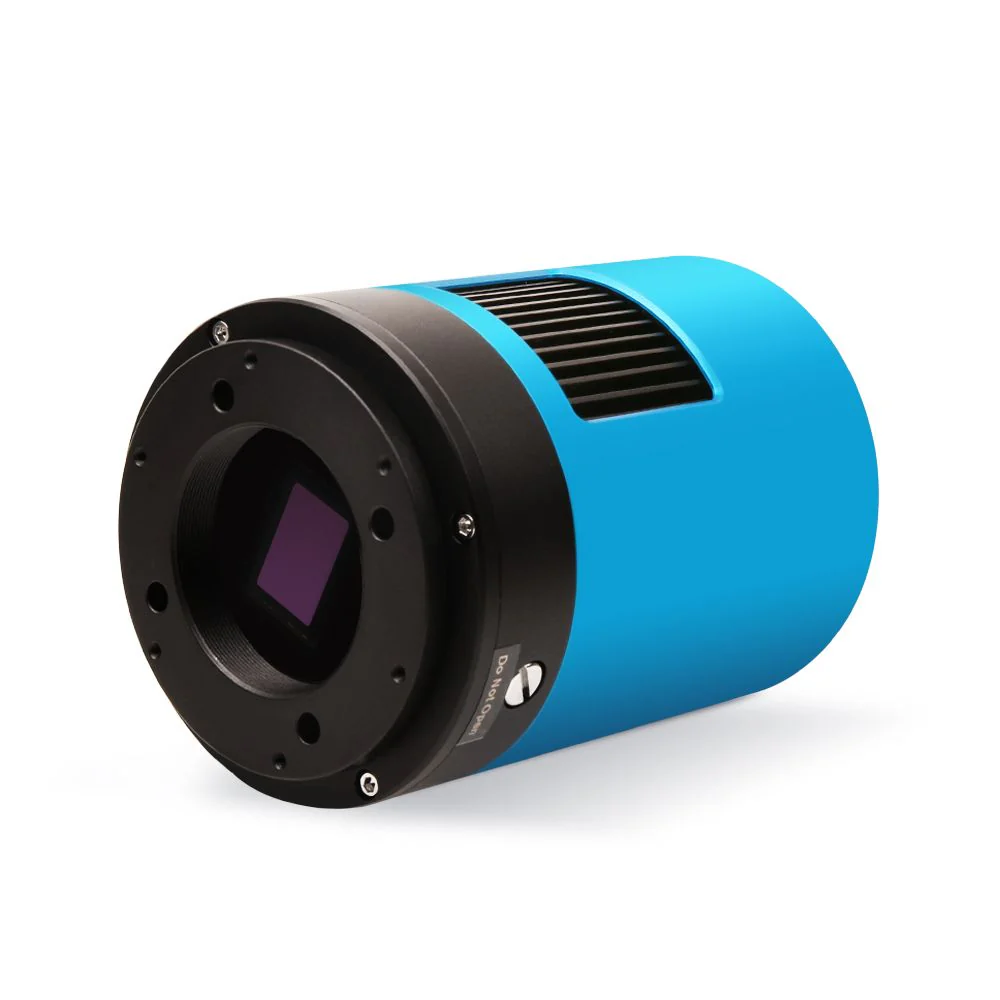
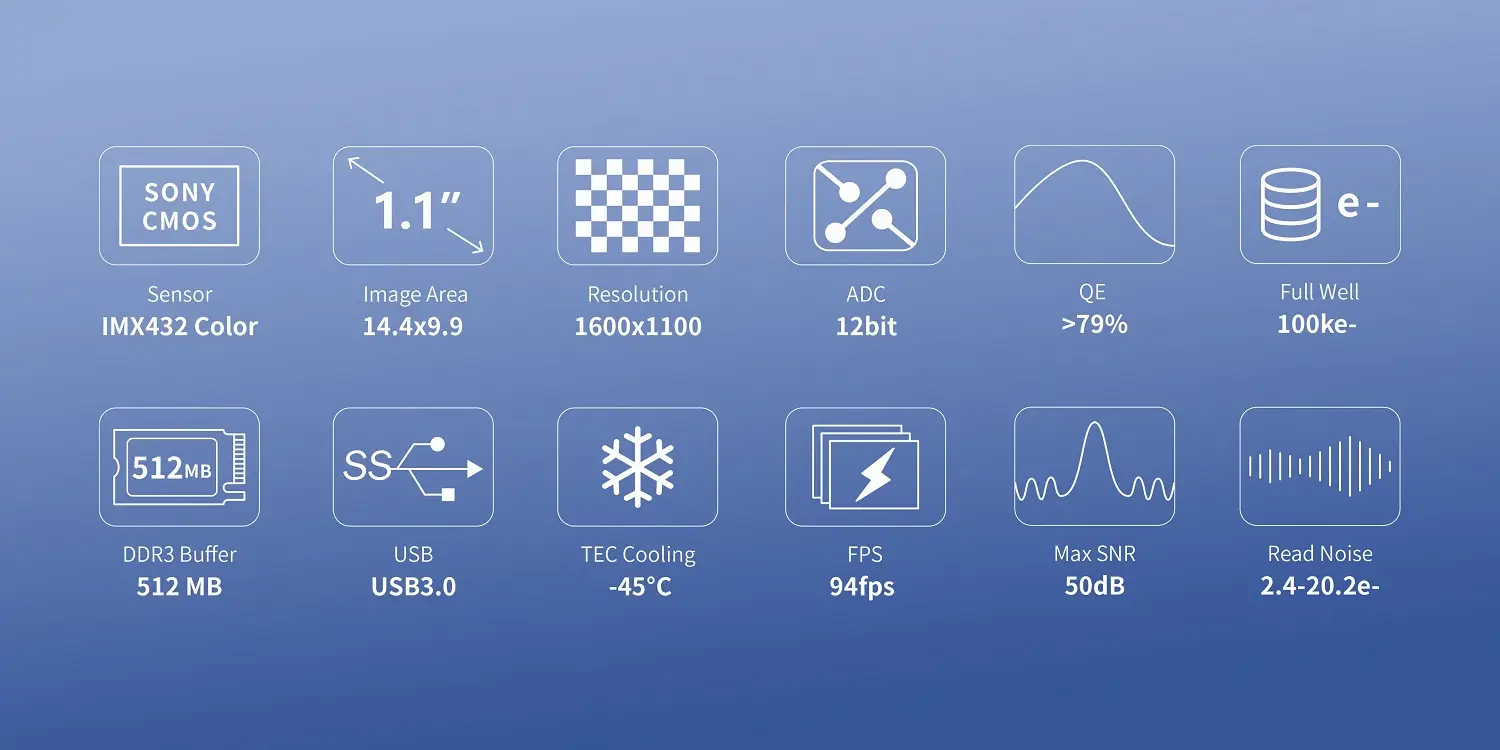
The ToupTek ATR432C Color Astronomy Camera is engineered for astrophotographers seeking high-resolution imaging capabilities. It features the Sony IMX432C sensor, a 1.1-inch format sensor with a 1600×1100-pixel array and 9μm pixel size, delivering detailed images suitable for deep-sky observations. It offers support for high frame rate mode(109FPS at all Pixel Readout 12 bit) and has a readout noise level as low as 2.4e. Additionally, the camera has an excellent TEC cooling system maintains precise temperature control within a deviation of 0.1℃, while the dew prevention heater (window heating) further enhances performance.
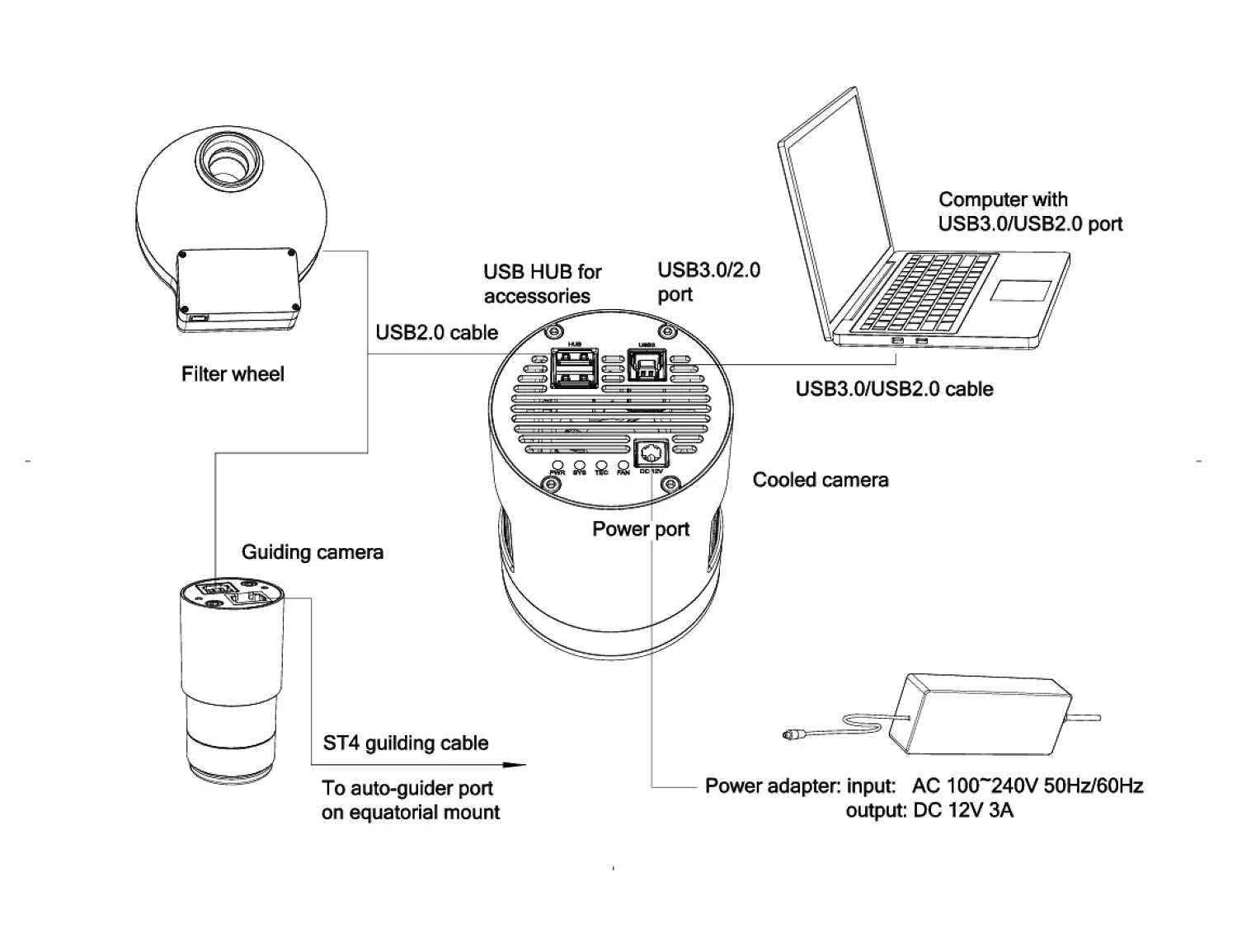
Please remember: all ToupTek Astro DSO cooled cameras can only be powered by 12V3A DC power supply. We recommend using the power adapter that comes with the camera or a lithium-ion battery with stable output of 11-14V. Please do not use power supplies that have falsely stated specifications or unstable outputs to power the camera, as this may affect image capture or even damage the camera.
Sensor Information:
ATR432C features Sony IMX432C 1.1inch Format sensor
Diagonal: 17.5mm
Pixel Size: 9μm x 9μm
DDR3:
ATR432C camera has a 512MB (4Gb) ultra-fast memory buffer to ensure stable image transmission.
Two stage TEC cooling system:
ATR432C is designed with an integrated heat dissipation structure and an efficient cooling module. The cooling system of ATR432C features a two-stage Thermoelectric Cooling (TEC) with controllable electric fan assisting in heat dissipation. This allows the image sensor to operate at temperatures up to 42 degrees Celsius lower than the ambient temperature. The exposure time can be set for up to 1 hour, ensuring that every minute detail is captured. Even in summer, it can still run stably all night with cooling temperatures ranging from of -5°C to -10°C.
Anti-dew technology:
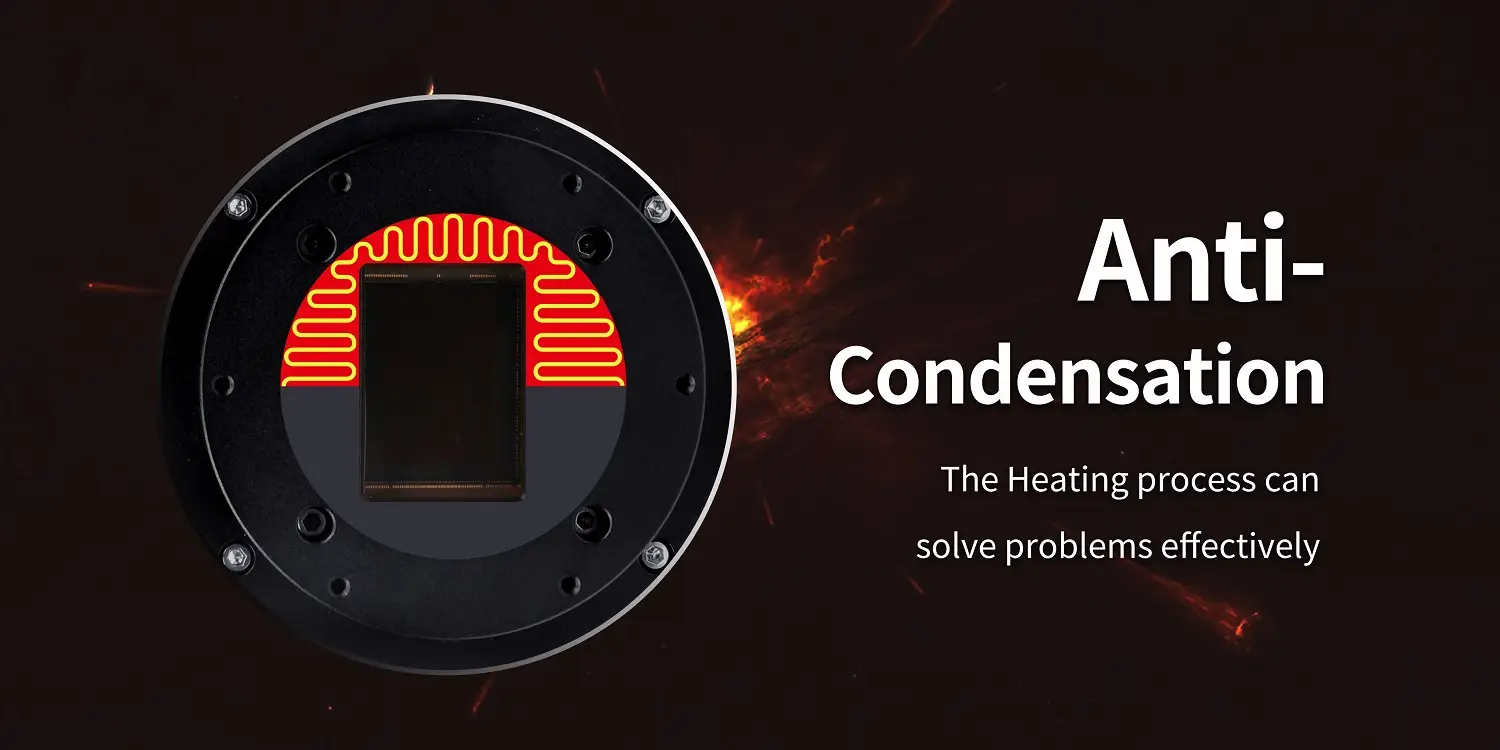
ATR432C adopts the new anti-dew technology , which can effectively solve the condensation problem through heating. This heating function consumes about 5 watts, which can be turned off via software to save power. Additionally, The dew heater at the protection window has 4 adjustable levels, allowing users to find the heating power that best suits their needs.
Mechanical Diagram:
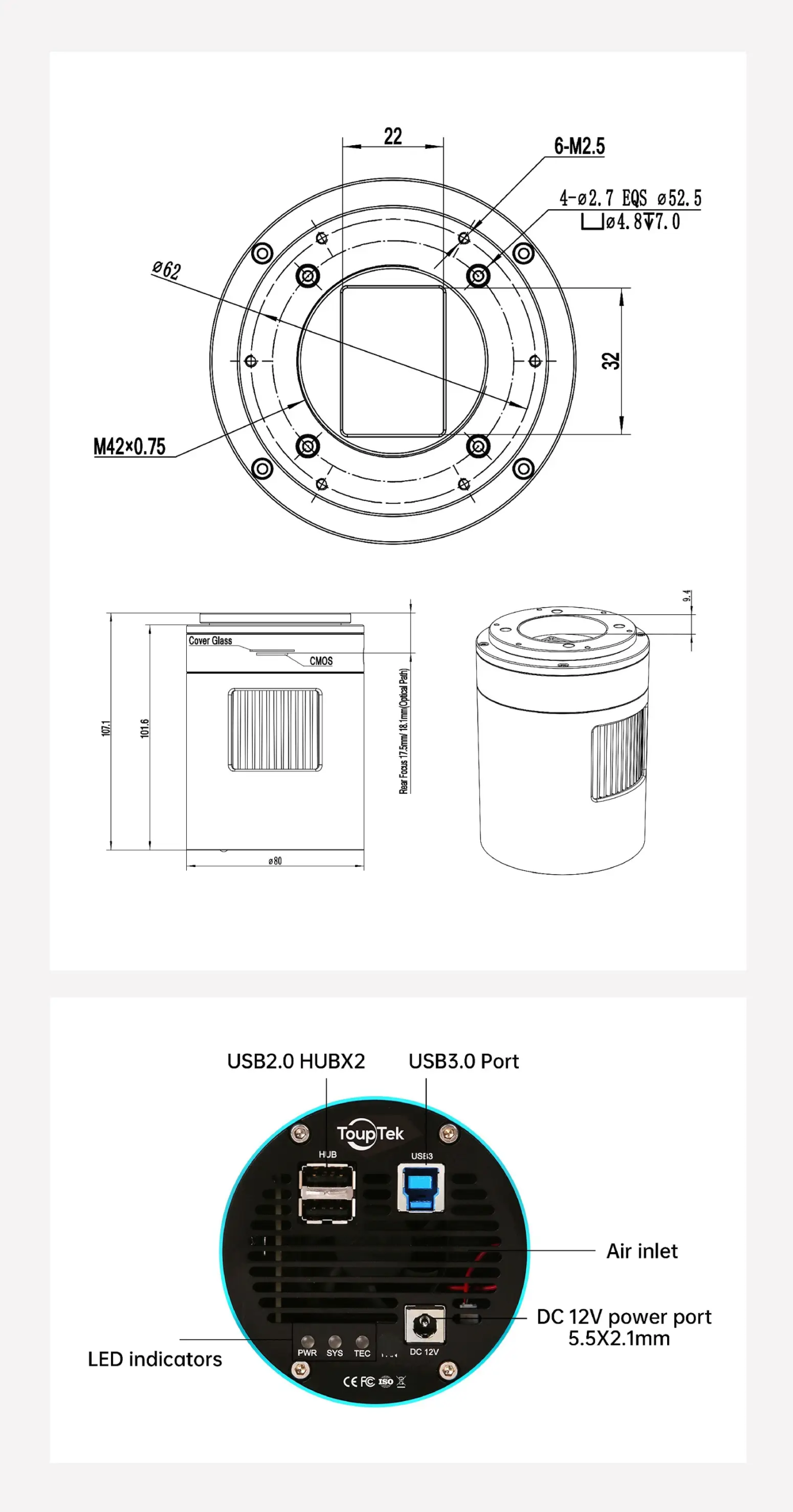
Connection with Accessories:
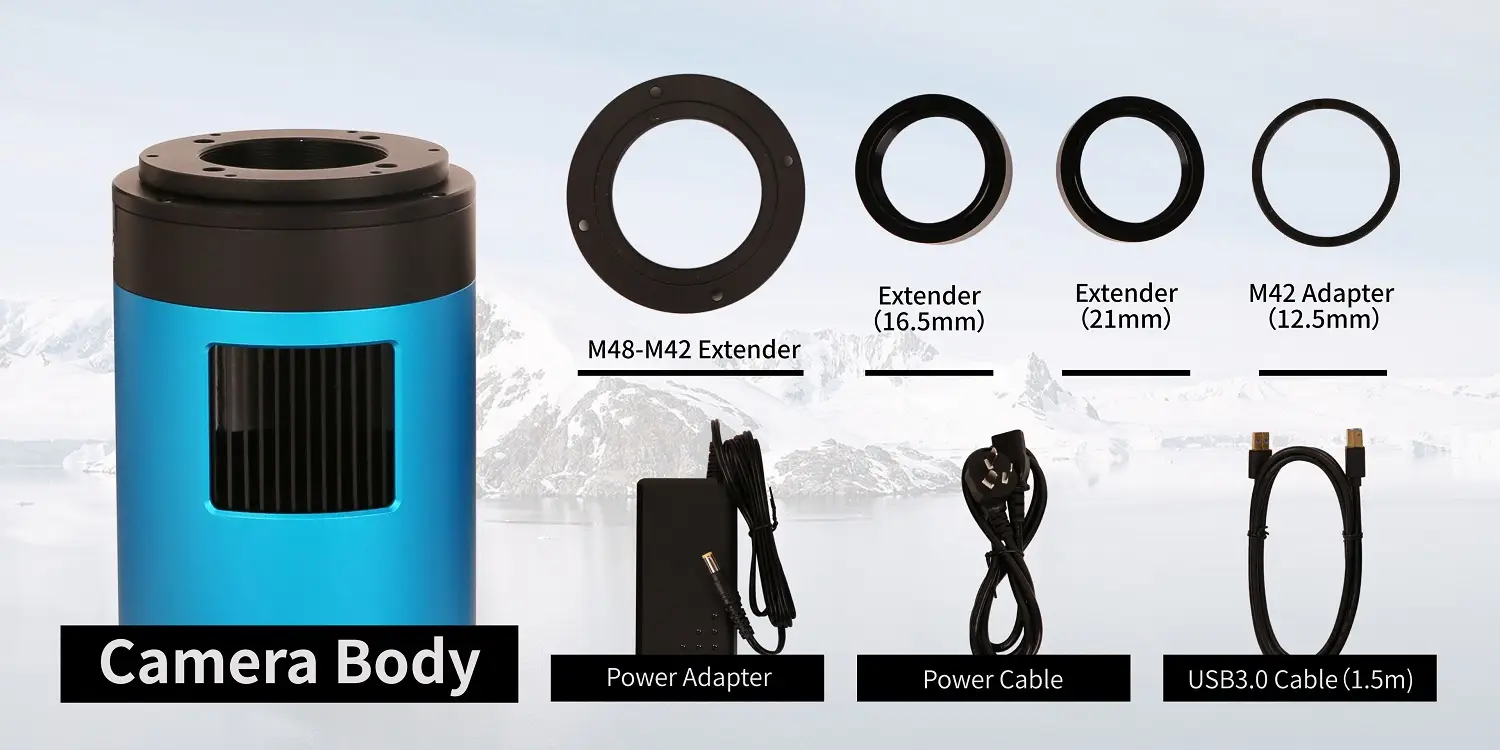
Packaging List:
ATR432M (Mono) Or ATR432C (Color), Which Camera is Better for Planetary and Deep-Sky Astrophotography?
Both the ATR432M (Mono) and ATR432C (Color) cameras use the same Sony IMX432 sensor, large 9µm pixels, and advanced cooling system. The difference lies in how they capture light and color.
The ATR432C Color camera has a built-in color filter array, so it records full-color images in a single exposure. This makes it ideal for planetary imaging—the Moon, Jupiter, Saturn, or the Sun—because these targets are bright, and convenience matters. With the color version, you get stunning planetary images without needing additional filters or complex processing.
On the other hand, the ATR432M Mono camera has no color filter array. Every pixel captures the full amount of light, giving it higher sensitivity, lower noise, and better detail—especially important for deep-sky astrophotography. With a filter wheel and LRGB or narrowband filters, you can produce professional-quality images of faint nebulae and galaxies with much greater control over each color channel.
-
If you mostly do planetary, bright targets, imaging in RGB, trying to catch details (bands, clouds, surface, etc.), lunar, etc., then ATR432C may be more convenient and sufficient. The color camera is simpler and delivers color directly, and since planetary objects are bright you lose less by using the color version.
-
If you plan to do a lot of deep-sky imaging (nebulae, galaxies), especially faint ones, or especially if you want to do narrowband imaging (e.g. using H-alpha, OIII, SII), then ATR432M (mono) will give you better performance: more sensitivity, better SNR, more flexibility.
-
Also consider whether you have / want the extra equipment (filters, filter wheel) and whether you mind the extra processing. Mono is more work but gives more control.
In short:
-
For ease and speed, especially on bright planets, go with ATR432C.
-
For maximum image quality and deep-sky flexibility, ATR432M is the better choice.
Reviews
0.0 Average Rating Rated (0 Reviews)