

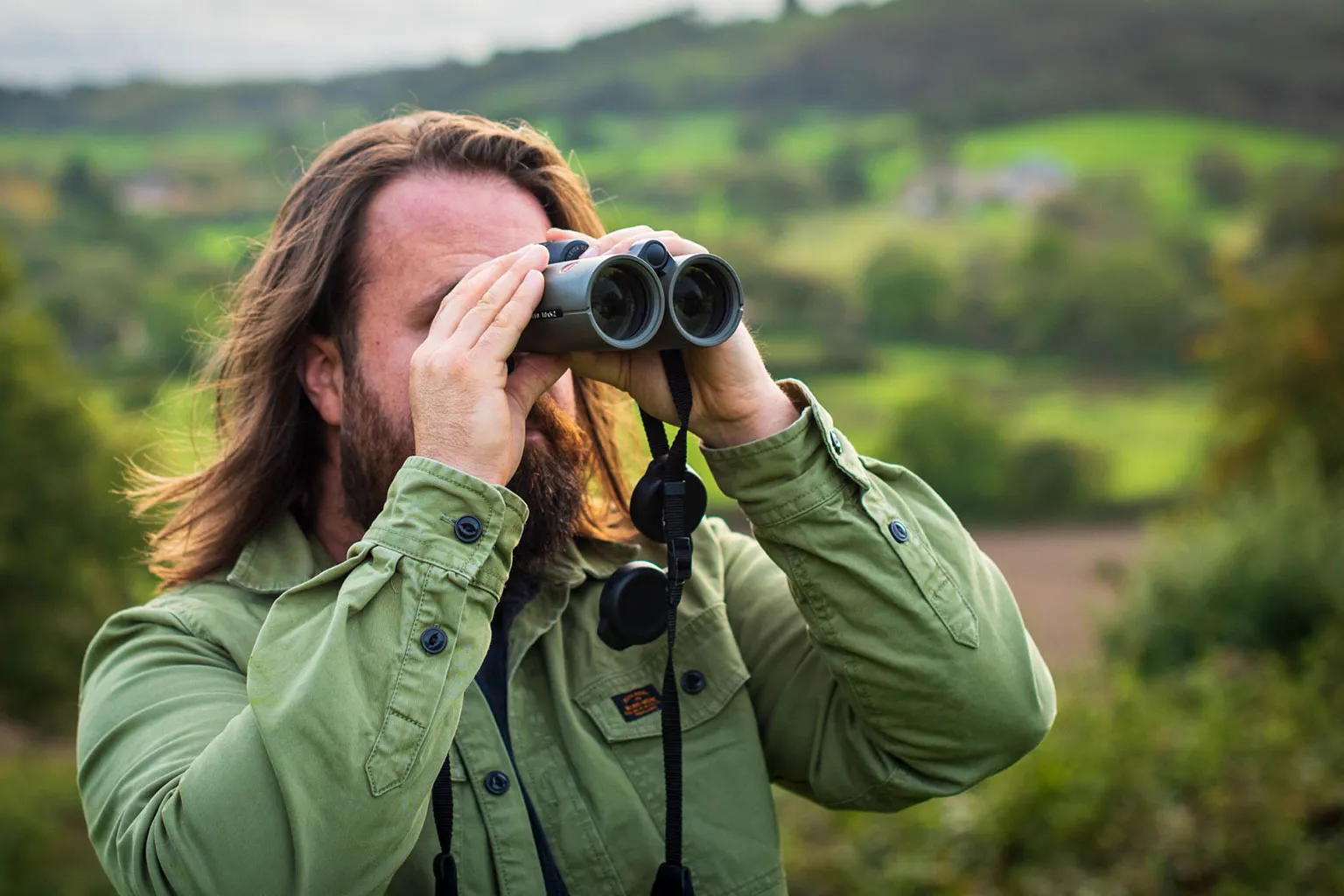
Think about the last time you were out in nature, at a sports game, or watching the night sky and wished you could just see a little better. That feeling is exactly why binoculars exist. A good pair puts the world closer without you having to move a step. A bad pair leaves you squinting and frustrated.
The good news? You don't need to spend a fortune to find something that genuinely works. Whether you have $100 or $3,000, there's a pair of binoculars out there built for your needs. In this guide, we walk you through 10 of the best binoculars available right now, from solid entry-level options to world-class glass that serious enthusiasts swear by.
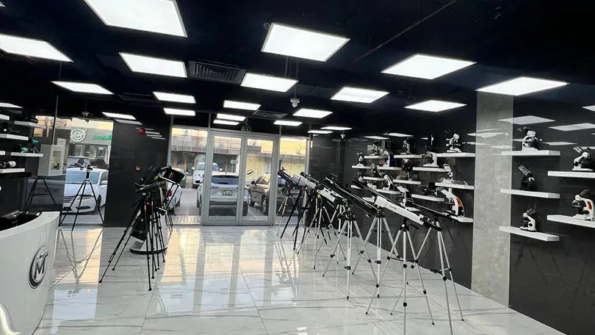
At Dubai Telescope (dubaitelescope.com), we've been helping customers find the right optics for over 25 years in Iran and 15 years in Dubai, where we're known as Magic Shop. Over two and a half decades, we've seen what customers actually need, not what the spec sheet says.
That experience shapes every recommendation in this list. We're not just listing products; we're pointing you toward what works in real life, for real budgets, in real conditions.
This guide is your shortcut to finding the right pair without wading through endless specs and confusing jargon. Let's get into it.
Binocular Essentials: Key Specs
Before we dive into the list, it's worth spending a few minutes on the basics. Binocular specs can look confusing at first glance, but once you understand the key numbers, it becomes much easier to compare options and figure out what actually matters for your situation.
- Magnification and lens size: A binocular labeled "8x42" means 8x magnification and a 42mm front lens. Higher magnification isn't always better; it also makes the image harder to hold steady without a tripod. For most outdoor use, 8x or 10x is the sweet spot. 8x gives you a wider field of view and a steadier image in your hands. 10x gets you closer but can feel shakier, especially if you're moving around or using them for extended periods.
- Glass quality and coatings: This is where price really shows. Better glass means sharper images, truer colors, and better performance in low light, which is often exactly when you need binoculars the most. The glass coatings on premium binoculars reduce glare, improve contrast, and let more light reach your eyes. Prism type also matters: BaK-4 prisms (found in most quality binoculars) produce better edge-to-edge sharpness than cheaper alternatives.
- Build quality: Waterproofing, fog-proofing, and rubber armoring matter if you plan to use your binoculars outside in anything other than perfect conditions. O-ring sealed binoculars are waterproof; nitrogen- or argon-purged models won't fog up internally when you move from cold air to warm. These aren't luxury features; they're practical ones.
- Exit pupil: This is the size of the beam of light that reaches your eye, calculated by dividing the lens size by the magnification. An 8x42 has an exit pupil of 5.25mm. A larger exit pupil means a brighter image in dim conditions. Your eye's pupil can open to about 5–7mm in low light, so matching or slightly exceeding that with your binoculars helps in dawn and dusk viewing.
- Eye relief: If you wear glasses, look for binoculars with at least 15mm of eye relief. This is the distance between the eyepiece and your eye where you can still see the full image. Too little, and glasses wearers see a reduced or vigneted view.
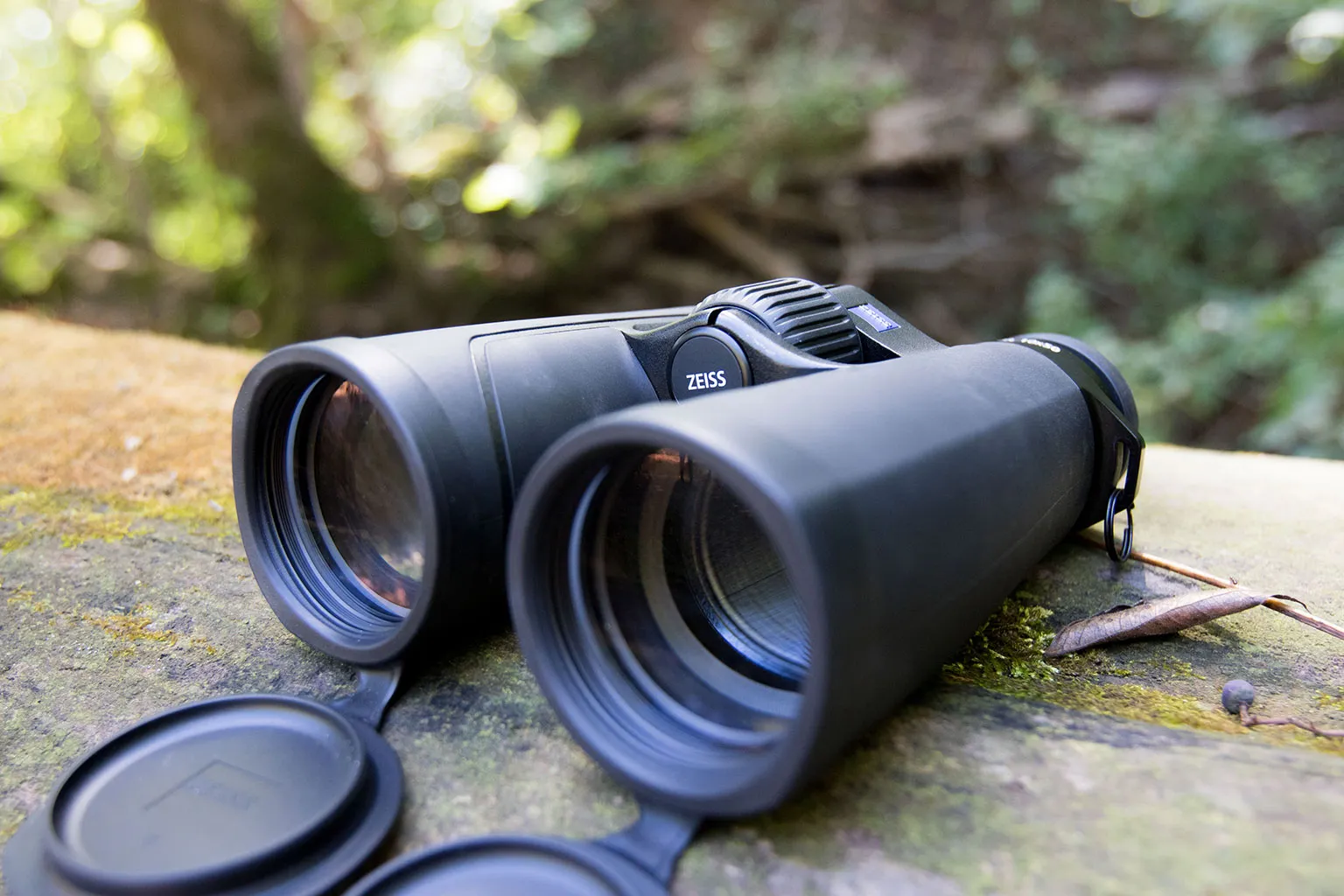
Understanding these basics puts you in a much better position to evaluate what you're looking at and to avoid spending money on specs that don't actually matter for how you'll use them.
Now, the list.
1. Zeiss SFL 10x50: Best Overall Performance
If you want the best binoculars money can buy right now, the Zeiss SFL 10x50 is the answer. Released in 2025, it quickly became the top choice among reviewers and serious users alike. What makes it stand out is that it fits the light-gathering power of a 50mm lens into a body the size of most 42mm binoculars, meaning you get a brighter, richer image without the extra bulk you'd normally expect.
The clarity is exceptional in all conditions, but especially in low light. If you're out at dawn or dusk, which is exactly when wildlife is most active, these Binoculars give you a clear edge. The focus wheel is smooth and responsive, and the build quality is exactly what you'd expect from a German manufacturer with Zeiss's reputation.
- Price range: $1,799
- Best for: Serious birders, wildlife watchers, hunters, and anyone who wants top-tier performance without Swarovski's price tag.
If you're ready to invest in optics that will last a lifetime, this is where to start. Get in touch with us at the Dubai Telescope. We can help you find the right configuration and make sure you get a genuine product at the best price.
2. Swarovski NL Pure 10x42: The Pinnacle of Optical Quality
If the Zeiss SFL is excellent, the Swarovski NL Pure is exceptional. This is the binocular that professional wildlife photographers, top-tier birders, and serious hunters reach for when they want the absolute finest image quality available.
The field of view is the widest in its class, 390 feet at 1,000 yards. In practice, that means you see more of the world without having to move the binoculars. The image is sharp edge-to-edge, with a sense of depth and color accuracy that other binoculars simply don't match at this level.
The hourglass-shaped open-bridge design saves weight and balances perfectly in the hand, making long viewing sessions noticeably more comfortable. It's a detail that sounds minor until you've been glassing for an hour.
- Price range: $3,199
- Best for: Anyone who wants the best image quality available and is willing to invest accordingly.
A word of caution: the diopter is not locking, and the tripod socket requires a Swarovski-specific adapter. These are real trade-offs to know about before buying. We're happy to walk you through them at the Dubai Telescope.
3. Zeiss Victory SF 10x42: Premium Glass at a Slightly More Accessible Price
The Zeiss Victory SF sits just below the SFL in price but remains firmly in the world of premium optics. In lab testing by Outdoor Gear Lab, it led all models for overall clarity and adjustability, outperforming even the Swarovski EL in some categories.
What makes the Victory SF special is how it combines sharpness, brightness, and comfort in a balanced package. The focus knob is precise, the ergonomics are excellent, and the image quality holds up in demanding conditions. For users who want Zeiss optical quality in a traditional 42mm format, this is the go-to choice.
- Price range: $1,550–$2,000
- Best for: Birders, wildlife enthusiasts, and hunters who want world-class optics without going to the very top of the price range.
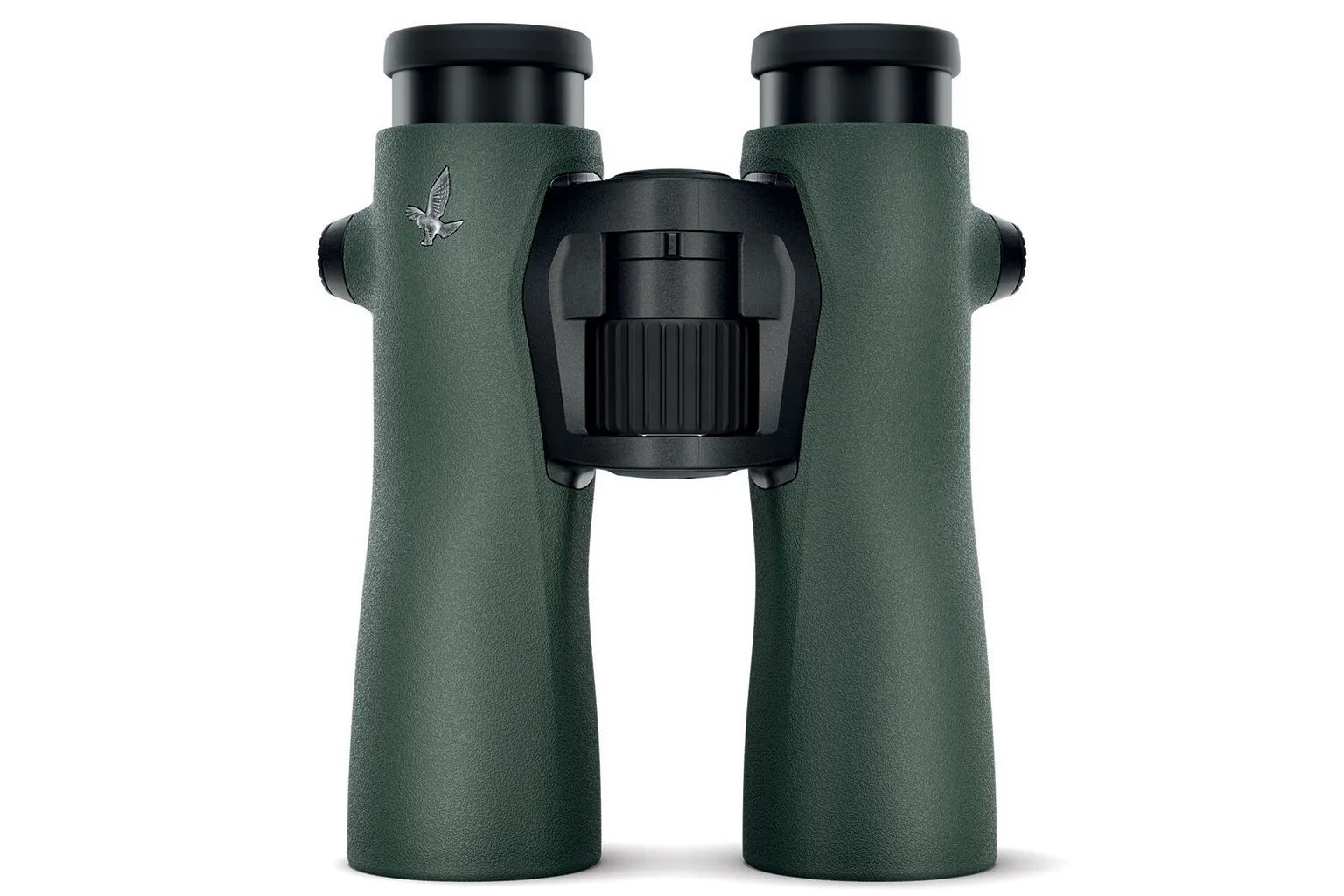
4. Leica Noctivid 10x42: German Precision in a Compact Package
Alongside Zeiss and Swarovski, Leica completes what many in the optics world call the big three. The Noctivid 10x42 is the smallest and most compact of the three premium options, making it a favorite for anyone who values portability alongside image quality.
Sharpness and color accuracy are superb. The build quality is exactly what you'd expect from Leica. It's a binocular that feels like a precision instrument in your hands, because it is.
- Price range: $2,500–$2,800
- Best for: Users who want premium European optics in a more portable form, or those who already trust the Leica brand in photography.
5. Vortex Viper HD 8x42: The Best Mid-Range Binoculars
For most people, the Vortex Viper HD 8x42 is the answer. It sits comfortably in the middle of the price range and delivers optical performance that surprises everyone who picks it up for the first time. Outdoor Gear Lab named it the best choice for most people, and after reviewing it ourselves, we agree. For general outdoor use under $500, this is the one to beat.
The 8x magnification is easy to hold steady, and the field of view is excellent. These features also make it a top contender among Wildlife & Safari Binoculars, where tracking movement quickly is essential. The image is bright and clear, with good color accuracy and solid low-light performance that beats competitors at twice the price.
The rubber-armored body is comfortable to hold, and the thumb indents add an ergonomic touch that you'll notice on long sessions. Vortex uses high-density extra-low dispersion glass, which reduces color fringing around high-contrast edges, a detail that matters when you're watching a bird against a bright sky.
Vortex backs this binocular with its fully transferable lifetime warranty, which covers everything, including accidental damage. That alone adds significant peace of mind. If you ever break them, drop them in a river, or back your truck over them (it happens), Vortex will take care of it.
- Price range: $400–$500
- Best for: First-time buyers who want quality, birdwatchers, hikers, hunters, and sports fans who want their money's worth.
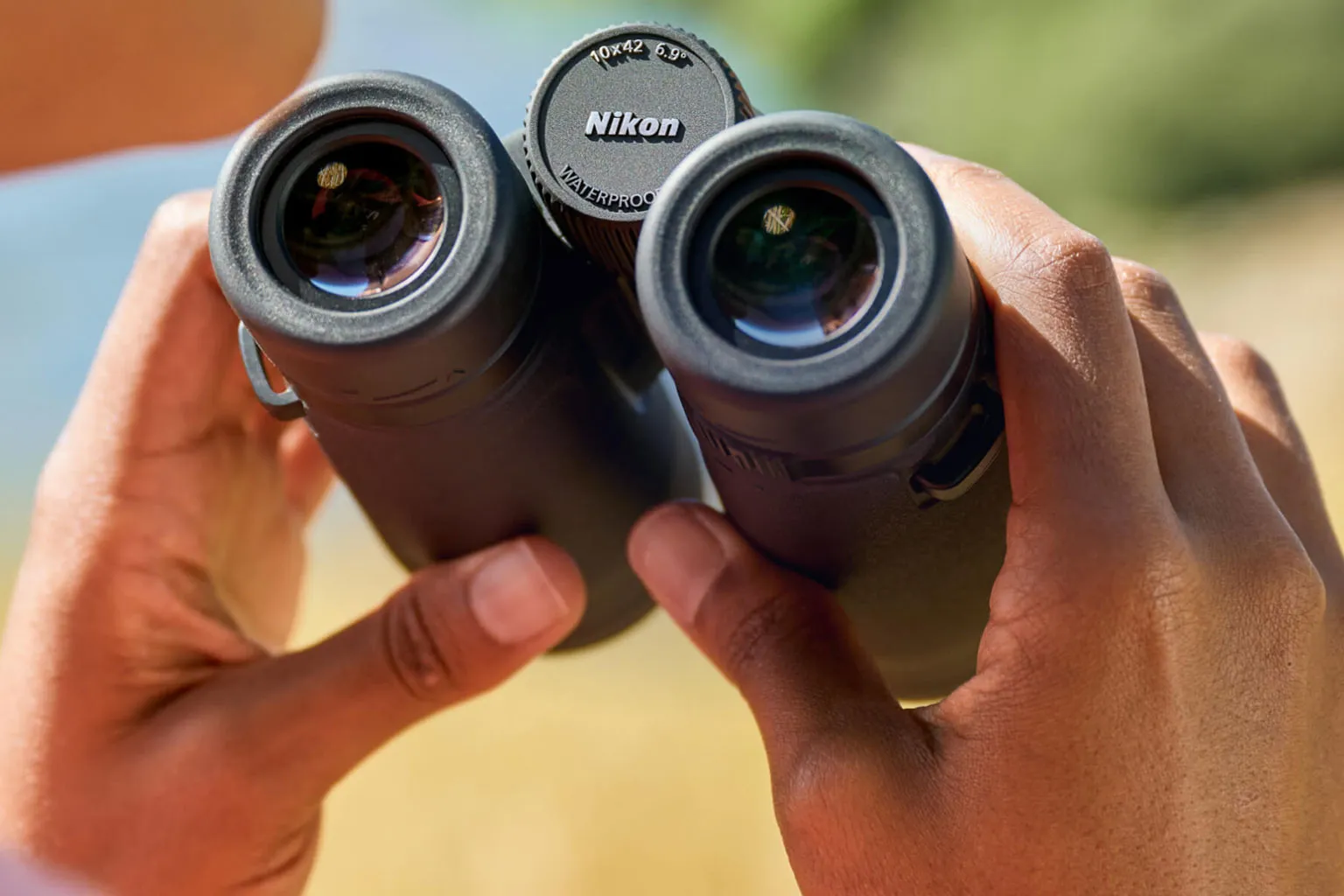
6. Nikon Monarch M7 10x42: Outstanding Value, Built Tough
The Nikon Monarch M7 is what you buy when you want reliable, no-nonsense performance from a name you know and trust. It's lighter than most full-sized binoculars at just 24 ounces, waterproof, fog-proof, and built with thick rubber armoring that tells you it can take a beating.
The locking diopter is a practical feature that more binoculars should include. Once you set it, it stays set. No accidental shifts when you pull it out of your bag. The optical quality is very good, delivering clear images with natural color. Low-light performance is middle-of-the-road compared to premium models, but it's more than adequate for most real-world situations.
- Price range: $400–$500
- Best for: Hunters, hikers, and anyone who prioritizes durability and reliability alongside good optics.
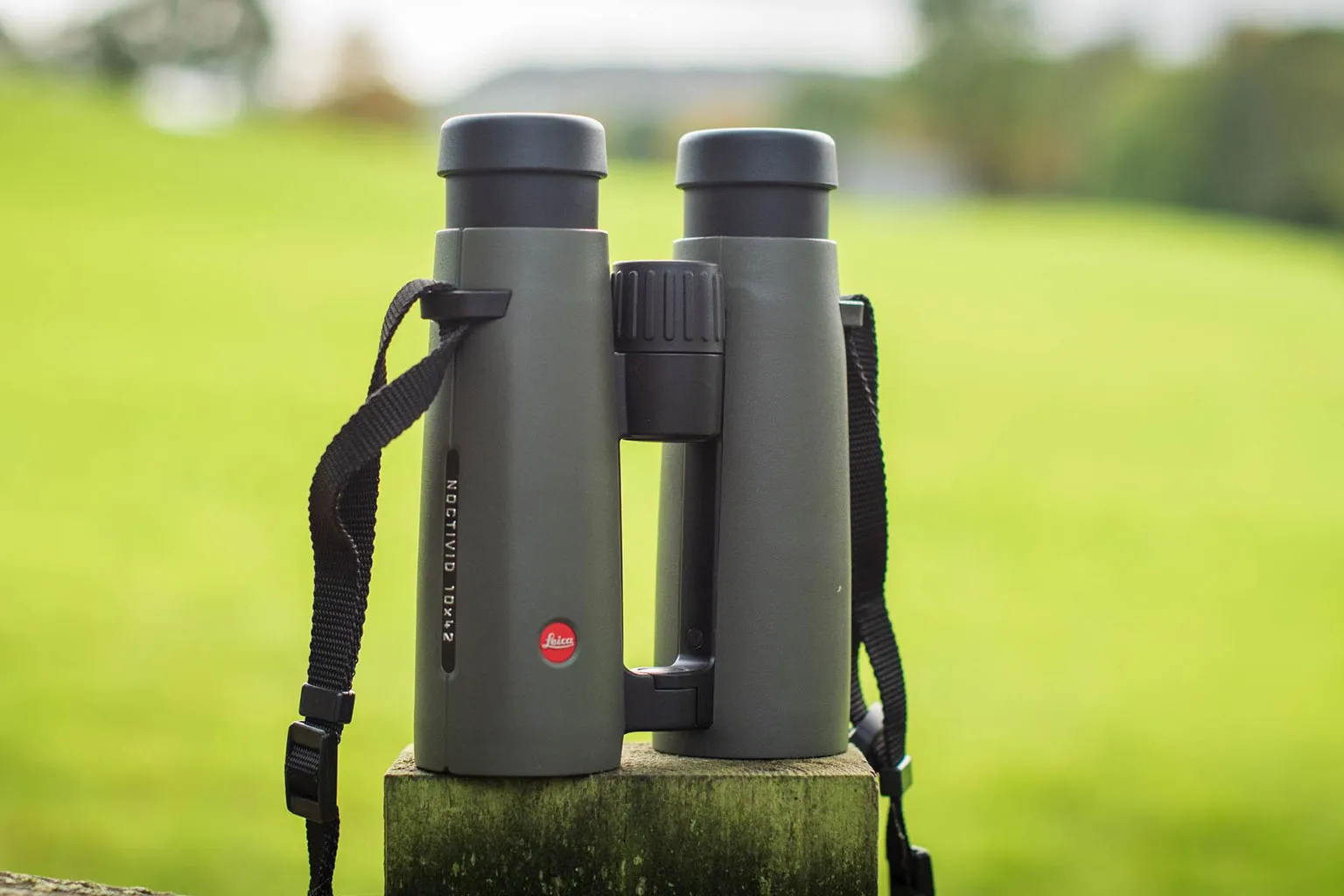
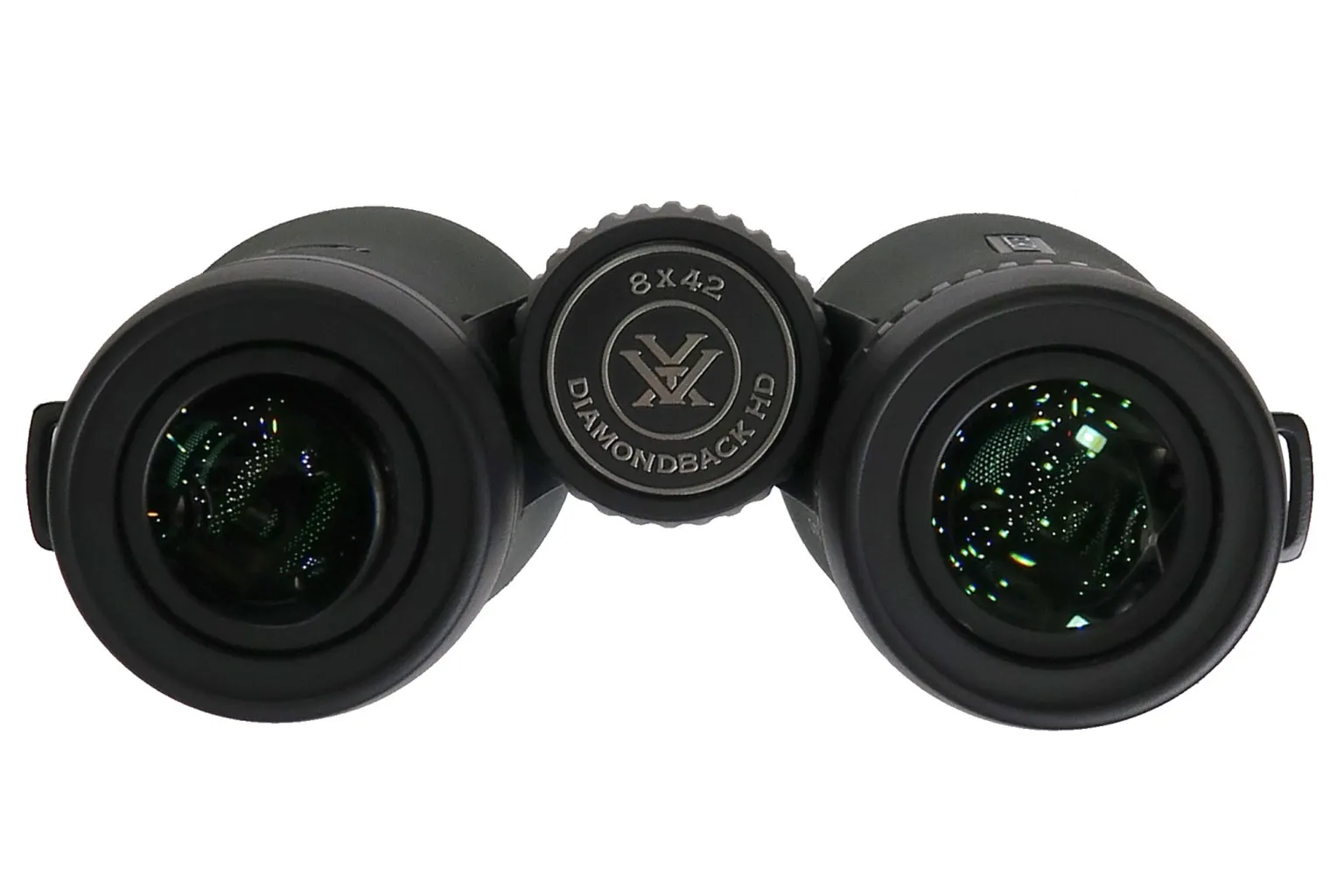
7. Vortex Diamondback HD 8x42: Quality on a Tighter Budget
Think of the Diamondback HD as the Viper HD's younger sibling, slightly more affordable, with a small trade-off in optical precision, but still delivering a genuinely good experience that most users will be very happy with.
Testers describe the experience as feeling high-end even though it falls squarely in the mid-price range. For a first pair of binoculars, or for someone who wants solid quality without spending Viper-level money, the Diamondback HD is an excellent choice. It also comes with Vortex's lifetime warranty.
- Price range: $200–$300
- Best for: First-time binocular buyers, casual birdwatchers, sports fans, and anyone on a sensible budget.
8. Celestron Nature DX 8x42: The Smart Budget Pick
The Celestron Nature DX is almost absurdly good for the price. BaK-4 prisms, multi-coated optics, and waterproof construction give you 90% of the performance of binoculars costing twice as much at a fraction of the price. If you're on a tight budget and want something genuinely capable, this is where to start and likely finish.
Yes, the rubber coating feels less premium than higher-end models, and edge sharpness isn't quite as crisp. In low-light situations, the image is slightly dimmer than what you'd get from more expensive glass. The hinges feel a little less solid in hand, and the optics won't win any awards for edge-to-edge performance.
But for someone just getting started, or for casual use where image quality isn't critical, the Nature DX delivers real value. The close-focus distance is good, making it useful for bird feeders and garden wildlife as well as longer-range viewing. If you are still deciding on the best format for your outdoor adventures, exploring the pros and cons of monocular vs binocular can help you determine which optic fits your lifestyle.
- Price range: $90–$130
- Best for: Beginners, casual nature walkers, sports spectators, and anyone who wants a decent pair without spending much.
9. Nikon Trailblazer ATB Waterproof 10x25: Compact and Ready to Go
If portability is your priority, the Nikon Trailblazer 10x25 deserves a serious look. At just 10.5 ounces, it fits comfortably in a coat pocket or small bag, and it's fully waterproof for outdoor use.
Optical performance won't match a full-sized binocular, but it doesn't need to. If you want something you can throw in your bag for a concert, a day at the races, or a casual hike without thinking twice, the Trailblazer is practical and reliable. It has excellent close-range focus, making it particularly handy at live events.
- Price range: $90–$140
- Best for: Travelers, concert-goers, sports fans, and anyone who wants a small, grab-and-go option.
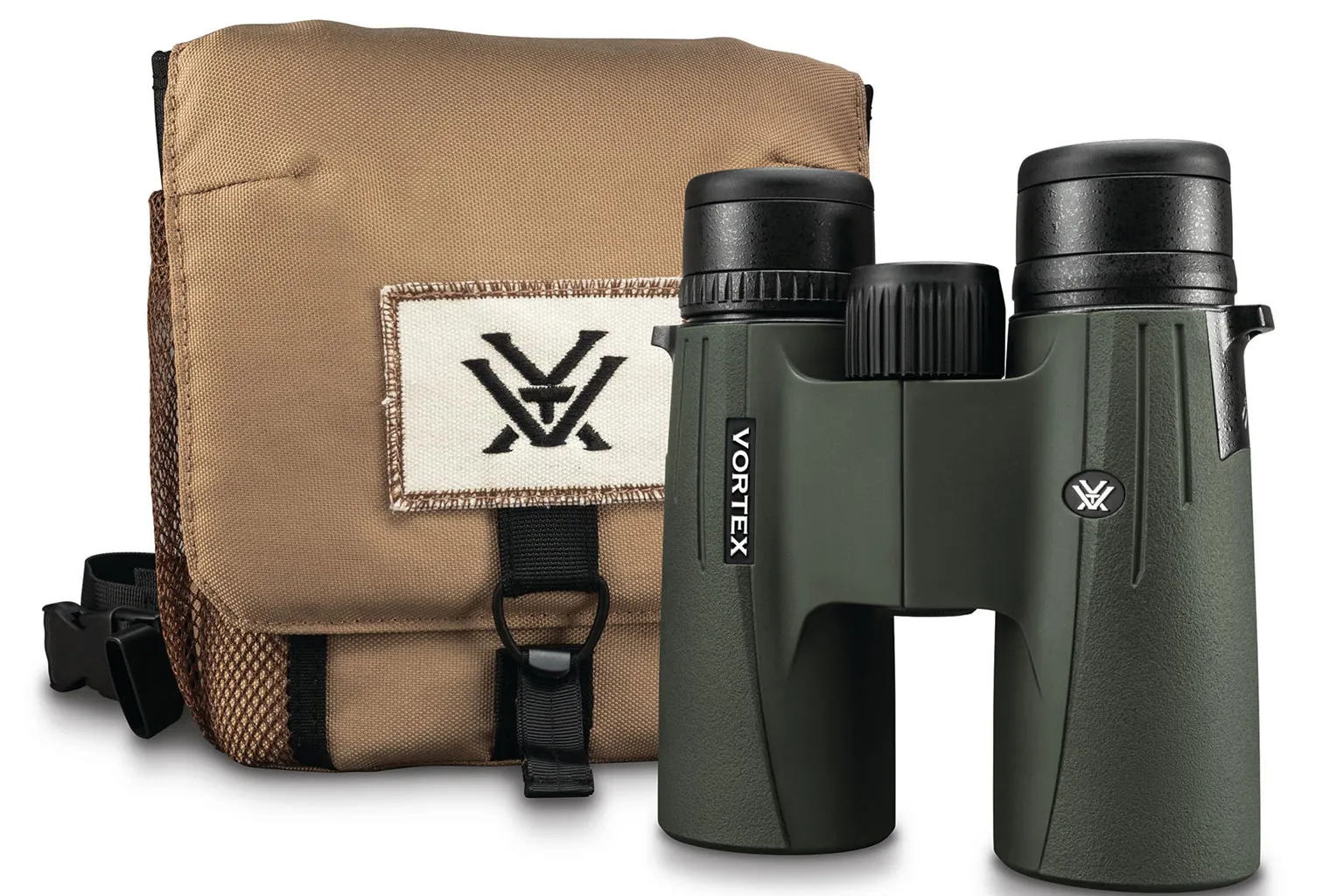
10. NOCS Provisions Pro Issue 8x42: Fresh Design, Solid Performance
NOCS Provisions is a newer name in the optics world, but the Pro Issue binoculars have made a real impression since their launch. They offer solid optical clarity in a well-designed, lightweight body, at a price that's accessible for most budgets, coming in around $329. While these are excellent for general use, those specifically near the water might want to compare them against dedicated Marine & Sailing Binoculars to see which features best suit their environment.
The clarity is genuinely better than you'd expect at this price. Tester Nick LeFort at GearJunkie noted a close focus range of just six feet, which is useful for nature viewing in tight spaces, and a field of view of 429 feet at 1,000 yards. That's wider than most binoculars at this price point. The build is durable without being heavy, and the overall feel in the hand is more refined than budget options.
Where the Pro Issue shows its limits is in low-light performance at dawn, dusk, or on heavily overcast days, the image dims noticeably compared to premium glass. That's a normal trade-off at this price. In good daylight, however, the clarity holds up well.
- Price range: $329
- Best for: Casual users, travelers, birdwatchers on a moderate budget, and those looking for a stylish option with good all-around daylight performance.
What Happened to Orion and Meade?
With Orion and Meade no longer in operation, finding reliable support or new equipment can be a challenge. At Dubai Telescope, we draw on our decades of experience to help you navigate this change. We carry a wide selection of high-quality alternatives that match the performance you’ve come to expect. Whether you need a replacement or a new setup, we’ll help you find the right product to fit your specific needs and budget without missing a beat.
A Few Practical Tips Before You Buy
- Try before you buy if you can: Binoculars are personal. The way they feel in your hands, how quickly the focus wheel responds, how comfortable the eyecups are, these things matter, and they're hard to judge from a spec sheet. If you have the chance to hold a pair before purchasing, take it.
- Don't chase the highest magnification: It's tempting to think that 12x or 15x is better than 8x. But higher magnification magnifies camera shake too. Unless you're planning to use a tripod, 8x or 10x is the right choice for hand-held use. You'll spend more time actually watching and less time fighting a wobbly image.
- Match the binoculars to the use: A lightweight compact pair that fits in your jacket pocket is genuinely more useful than a full-sized premium model if you never carry the full-sized one. The binoculars you actually bring with you are always better than the ones that stay at home because they're too heavy.
- Take care of your glass: Lens coatings are delicate. Use a proper lens cloth and cleaning solution, keep the lens caps on when not in use, and store your binoculars in a dry place. A good pair of binoculars can last decades if looked after properly.
At Dubai Telescope, we're always happy to answer questions before you make a decision. Whether you're a first-time buyer or an experienced user upgrading your setup, we'll give you a straight answer, not a sales pitch. For instance, if you are looking for specialized optics for hunting or long-distance observation, we can help you compare the best binoculars with a rangefinder to ensure you get the precision you need.
Choosing the Right Binoculars for Your Lifestyle
With so many options, it helps to think about your situation honestly before deciding:
- If you watch birds or wildlife, clarity and field of view matter most. The Vortex Viper HD or Nikon Monarch M7 are practical starting points that most people will be genuinely happy with. If you're serious about birding and spend hours in the field, the Zeiss Victory SF or the Swarovski NL Pure are worth the investment. The quality difference is noticeable when you're using them for extended periods in varied conditions.
- If you're a hunter, low-light performance becomes especially important, that's when most game is active. The Zeiss SFL 10x50 shines here thanks to its larger 50mm objective lens. The Vortex Viper HD punches well above its price in this category, too, and the Nikon Monarch M7's weather resistance makes it a trusted field companion.
- If you attend sports events, concerts, or live performances regularly, a compact pair like the Nikon Trailblazer is probably all you need. It's easy to carry and does the job without weighing you down. You don't need a full-sized binocular to enjoy a match from the stands.
- If you're a stargazer or astronomy enthusiast, magnification and aperture become especially important. A larger objective lens gathers more light, which matters enormously when you're looking at faint objects in the night sky. The Zeiss SFL 10x50 and the Celestron Skymaster Pro 15x70 (a separate guide-worthy topic) are worth exploring if this is your main use case.
- If you're just starting out and not sure how much you'll use them, the Celestron Nature DX or Vortex Diamondback HD are solid choices that won't break the bank. They'll show you what good optics feel like and help you decide whether you want to invest more later.
A note on second-hand binoculars
The used market can be tempting, especially for premium brands. But binoculars can develop internal fogging, misalignment, and coating damage that isn't immediately obvious. If you're going to buy second-hand, buy from a trusted source that lets you inspect them carefully, or better yet, reach out to us at the Dubai Telescope, and we'll help you evaluate whether a deal is genuinely good.
The best binoculars are the ones that match your actual use, not the ones with the highest specs on paper.
Conclusion
A good pair of binoculars changes how you experience the world around you. Whether it's a bird in the tree outside your window, a deer at the edge of a field, a player on the far side of the pitch, or a star cluster on a clear night, detail matters. And detail comes from glass quality, build, and knowing what you actually need.
We've covered the full range in this guide. At the top end, the Zeiss SFL 10x50 and Swarovski NL Pure 10x42 represent the finest binoculars available today, each with its own strengths. The Zeiss Victory SF and Leica Noctivid round out the premium tier with world-class optics from Germany's most trusted manufacturers. In the middle, the Vortex Viper HD 8x42 and Nikon Monarch M7 10x42 deliver outstanding real-world performance at a price that makes sense for most serious users.
The Vortex Diamondback HD steps it down another notch without giving up too much. And at the accessible end, the Celestron Nature DX and Nikon Trailblazer prove that good optics don't have to cost a lot.
The best binoculars aren't always the most expensive ones. They're the ones that suit your life, your budget, and the way you plan to use them.
FAQ
The first number (8x) is the magnification, meaning the object looks 8 times closer. The second number (42) is the size of the front lens in millimeters. A larger lens lets in more light for a brighter image.
The Vortex Viper HD 8x42 is the top recommendation for most users. it offers a great balance of clarity, low-light performance, and a lifetime warranty, all at a mid-range price point.
The Celestron Nature DX 8x42 is the best budget-friendly pick. It provides solid features like BaK-4 prisms and waterproofing for around $100, making it perfect for beginners.

No Comments