


Choosing your first telescope can feel exciting but also confusing. With so many models, brands, and technical terms, beginners often struggle to know where to start. Whether you want to observe the Moon, explore planets like Saturn, or even glimpse deep-sky objects like nebulae, selecting the right instrument makes all the difference.
In this guide on Best Telescopes for Beginners, we simplify everything you need to know. We’ll explore top-rated models, explain what features matter, and help you avoid common mistakes that many first-time buyers make. This article is designed to give you clear, practical advice so you can confidently choose the right telescope for your stargazing journey.
What Makes a Good Beginner Telescope?
Before jumping into the list, it’s important to understand what defines a good entry-level telescope. A good telescope for beginners should be easy to set up, simple to use, and powerful enough to show clear views of the Moon and planets without requiring advanced knowledge.
Key features to look for:
- Easy alignment and setup
- Stable mount (very important)
- Good aperture size (70mm–130mm for beginners)
- Lightweight and portable design
- Clear optical quality (refractor or reflector)
A starter telescope should not overwhelm you with complicated controls. Instead, it should help you enjoy the night sky right away.
What to Consider When Buying a Telescope for Beginners
Before exploring the best options, it’s important to understand what really matters when choosing your first telescope. These key factors will help you make a smarter and more enjoyable purchase.
Aperture: The Most Important Feature
- Aperture is the size of the telescope’s main lens or mirror
- It controls how much light the telescope collects
- Bigger aperture = brighter and clearer images
- For beginners, 70mm–130mm is a good starting range
- More aperture generally means better detail on the Moon and planets
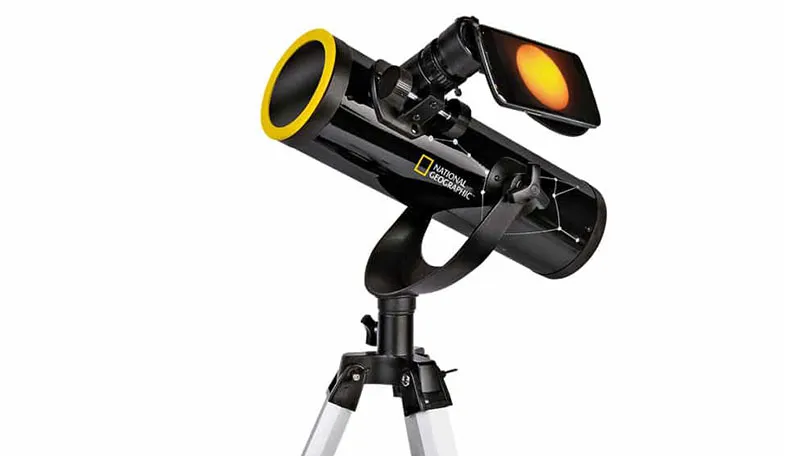
Magnification: Don’t Overdo It
- Magnification shows how “zoomed in” the image looks
- Higher magnification does not always mean better quality
- Too much zoom can make images blurry and unstable
- A practical range for beginners is 100–200x magnification
- Focus on clarity, not extreme zoom
Ease of Use: Make It Simple
- Choose a telescope that is easy to set up and operate
- Simple controls help you enjoy observing without frustration
- Lightweight and stable mounts are very important
- Computerized mounts (like GoTo or smartphone-guided systems) can help beginners find objects faster
- The easier it is to use, the more you will enjoy stargazing
Price: Find the Right Balance
- Telescopes come in a wide price range, depending on quality and features
- For beginners, a reasonable budget is usually AED 500–2,000
- Very cheap models often have poor optics and should be avoided
- Expensive models are not necessary for starting out
- The best choice is a balance between price, quality, and usability
Types of Beginner Telescopes
Several types of telescopes are available in the market, each with its pros and cons. Here are some of the most popular types of telescopes for beginners:
Reflector Telescopes: A Great Option for Beginners
Reflector telescopes use a mirror to collect and focus light. They're an excellent option for beginners because they're often more affordable than refractor telescopes. It's also worth mentioning that the reflector setups usually weigh less in the same aperture, making them more mobile and transport-friendly.
Refractor Telescopes: A Good Choice for Planetary Observation
Refractor telescopes use a lens to collect and focus light. They're a good choice for planetary observation because they provide a sharper image. However, they can be more expensive than reflector telescopes.
Catadioptric Telescopes: A Hybrid Option
Catadioptric telescopes use a combination of lenses and mirrors to collect and focus light. They're a hybrid option that offers the best of both worlds. However, they can be more expensive than reflector telescopes.
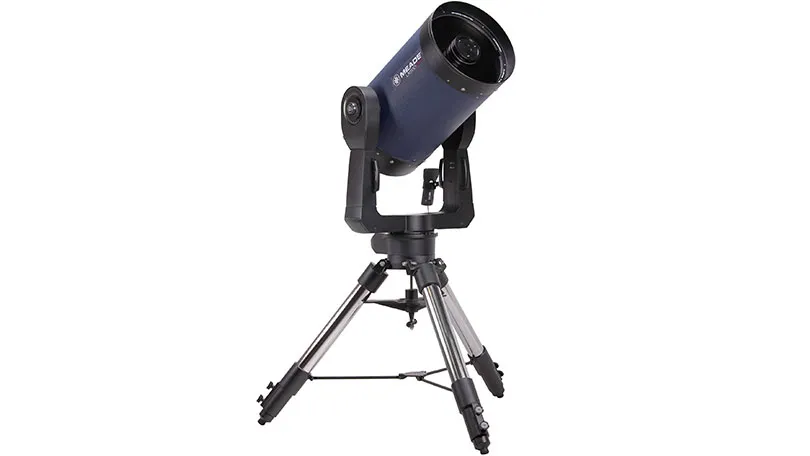
10 Best Telescopes for Beginners
Below is a more detailed and practical breakdown of the Best Telescopes for Beginners, based on expert reviews, astronomy communities, and real-world beginner usage. Each model includes key features and ideal use cases to help you choose more confidently.
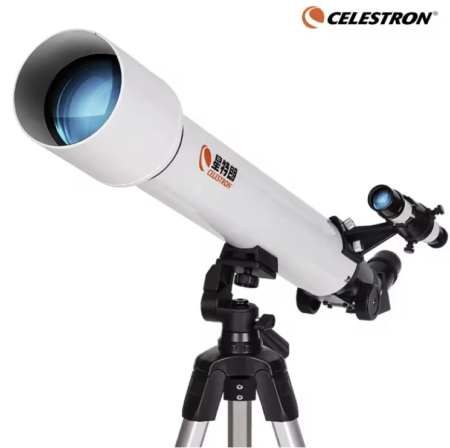
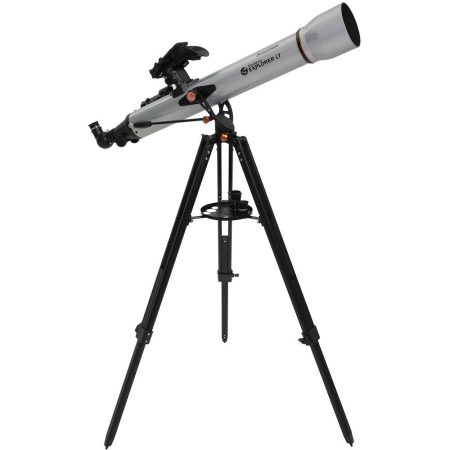
1. Celestron AstroMaster 70AZ
- 70mm refractor telescope with fully coated optics
- Produces bright, sharp images of the Moon
- Very easy manual alt-azimuth mount
- Quick setup with no technical experience required
- Best for: Moon observation, bright planets like Venus and Jupiter
- Lightweight and portable for travel or backyard use
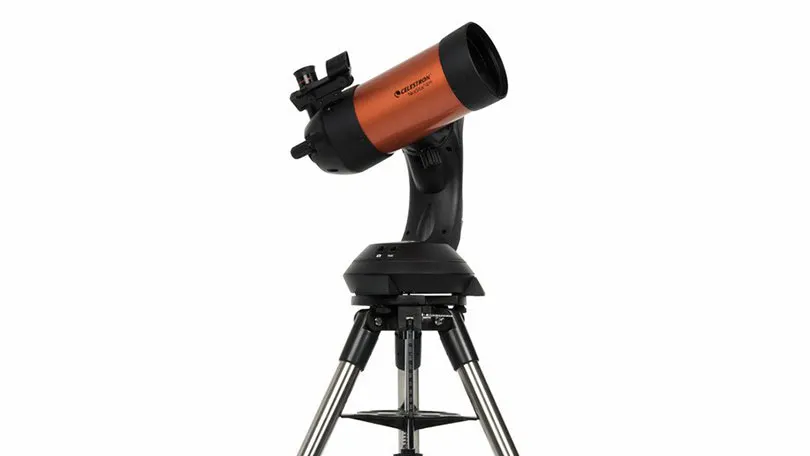
2. Celestron NexStar 4SE
- 4-inch Maksutov-Cassegrain optical system
- Fully computerized GoTo mount with automatic tracking
- Database of thousands of celestial objects
- Excellent contrast for planetary and lunar detail
- Best for: Beginners who want automation and guided stargazing
- Requires basic setup but is very beginner-friendly after alignment
3. Sky-Watcher Heritage 130P
- 130mm Newtonian reflector with strong light-gathering power
- Compact tabletop Dobsonian design
- Excellent for deep-sky objects like nebulae and clusters
- Very stable and simple mechanical movement
- Best for: Users who want more advanced views without complexity
- One of the strongest value options in telescopes for amateurs
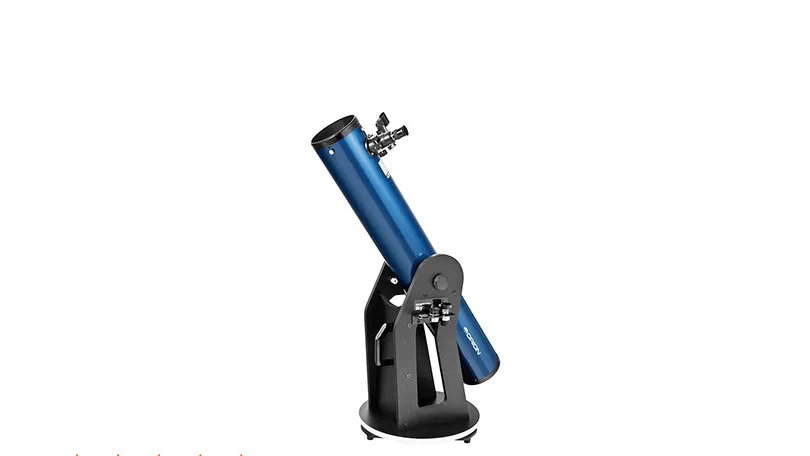
4. Orion SkyQuest XT6 (Legacy Model)
- 6-inch Dobsonian reflector telescope
- Extremely simple manual operation (no electronics)
- Very strong light collection for faint deep-sky objects
- Stable base with smooth tracking by hand
- Best for: Classic stargazing experience
- Note: Orion’s beginner telescope line is no longer widely produced, but still highly respected and referenced by astronomy enthusiasts
5. Meade Infinity 80mm
- 80mm achromatic refractor telescope
- Comes with multiple eyepieces and a tripod
- Easy alt-azimuth mount for smooth movement
- Good for wide-field sky viewing
- Best for: Beginners wanting simple planetary and lunar observation
- Meade’s entry-level lines have been reduced/discontinued in many markets, but are still widely used
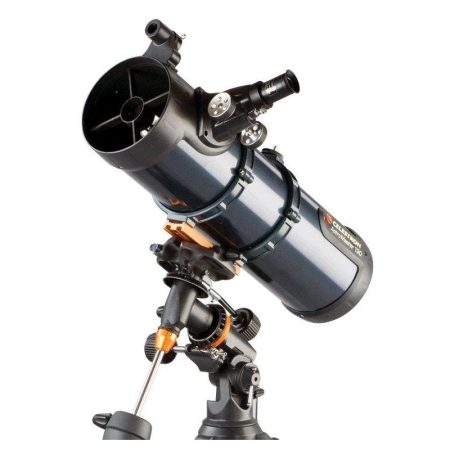
6. Celestron PowerSeeker 127EQ
- 127mm Newtonian reflector design
- German equatorial mount included
- Strong magnification capability for planets
- Entry-level budget-friendly option
- Best for: Users wanting higher zoom potential
- Requires some learning curve for alignment and tracking
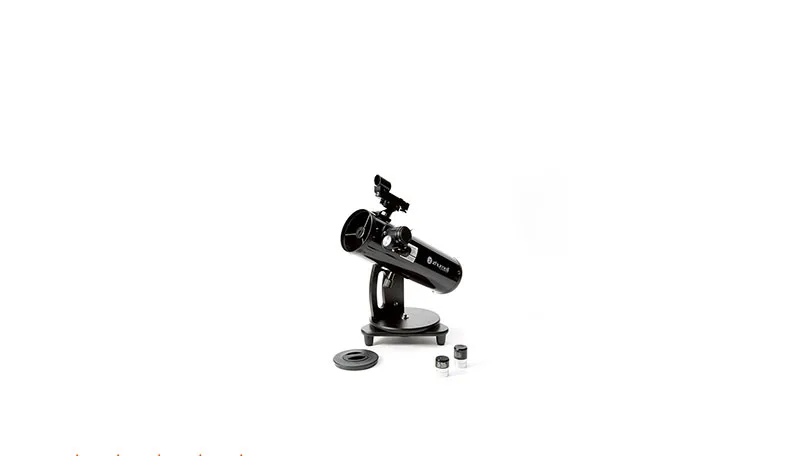
7. Zhumell Z100
- 100mm tabletop Dobsonian telescope
- Very compact and lightweight design
- Smooth manual movement for easy tracking
- Excellent for quick backyard sessions
- Best for: Travelers and casual beginners
- Great starter telescope for first-time users
8. Gskyer 70mm AZ Refractor
- 70mm aperture refractor with coated optics
- Comes with a tripod and basic accessories
- Lightweight and very easy to assemble
- Wide field of view for scanning the sky
- Best for: Kids and absolute beginners
- One of the most affordable entry-level options
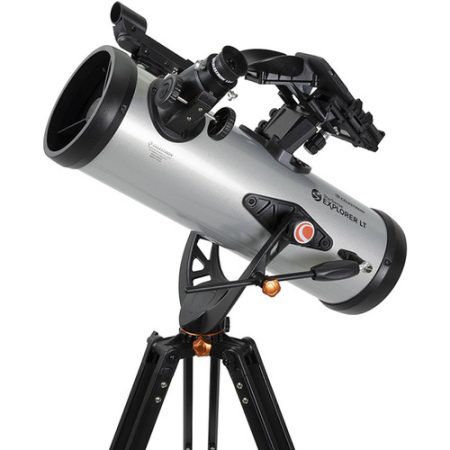
9. Celestron StarSense Explorer LT 114AZ
- 114mm Newtonian reflector telescope
- Uses a smartphone app for sky navigation
- StarSense technology helps locate objects easily
- No advanced astronomy knowledge needed
- Best for: Beginners who want guided observation
- Excellent choice for the modern novice telescope experience
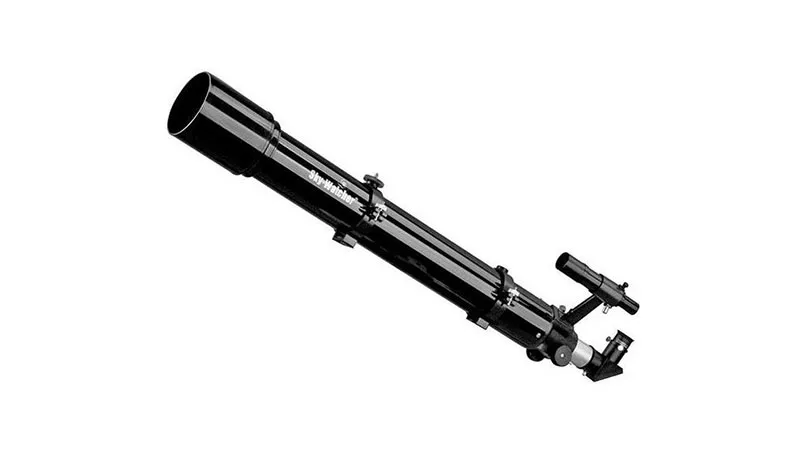
10. Sky-Watcher 90/900 Refractor
- Long focal length 90mm refractor
- Produces very sharp planetary images
- Stable mount for precise viewing
- Strong performance for Moon and planets
- Best for: Users focused on planetary detail
- Great balance between clarity and affordability
Choosing Modern Telescopes
Many well-known telescope brands like Orion and Meade were once very popular among beginners, but many of their entry-level models have now been discontinued or restructured, which has made them harder to find in the market. Today, beginners have access to newer and more advanced alternatives that offer better optics, easier setup, and smartphone-assisted navigation.
With over 25 years of experience in Iran (dubaitelescope.com) and 15 years of active service in Dubai (Magic Shop), we have helped many customers transition from older discontinued models to reliable modern replacements.
Our focus is to guide beginners toward updated telescopes that match or even exceed the performance of those classic brands. This ensures you can confidently choose the best novice telescope without worrying about outdated or unavailable products.
Recommended Beginner Telescopes (Global Market)
Here are five highly recommended models commonly considered the recommended telescope for beginners in international astronomy communities:
- Celestron NexStar 4SE: automated tracking system
- Sky-Watcher Heritage 130P: excellent deep-sky value
- Celestron AstroMaster 70AZ: simple refractor for starters
- Zhumell Z100: compact and easy tabletop design
- Celestron StarSense Explorer LT 114AZ: smartphone-guided navigation
These models consistently appear in expert reviews, astronomy forums, and beginner guides due to their reliability and ease of use.
Essential Accessories and Practical Tips for Beginner Stargazing
A good best novice telescope should always make the learning experience simple, enjoyable, and frustration-free:
Essential Accessories
- Eyepieces: Use multiple eyepieces to improve flexibility and viewing experience
- Choose wide-field eyepieces for easier object tracking
- Better eye relief makes long viewing sessions more comfortable
- Tripod or Mount: A stable tripod is crucial for clear, shake-free viewing, and choosing the right Telescope Accessories can significantly improve your overall stargazing experience.
- Alt-azimuth mounts are simpler and ideal for beginners
- Stability is more important than advanced features
- Star Charts & Apps: Use star maps or planetarium apps to locate objects easily
- Apps help you identify planets, stars, and constellations in real time
- Great for learning the night sky step by step
Beginner Stargazing Tips
- Choose a dark location away from city lights for better visibility
- Light pollution significantly reduces image quality
- Start your observations with the Moon; it’s the easiest and most detailed target
- Practice focusing on bright planets like Jupiter and Saturn first
- Use astronomy apps to guide your sessions and learn faster
Smart Buying Tips for Beginners
- Don’t focus only on magnification; aperture is more important
- Avoid overly complex mounts that are hard to set up
- Choose stability over portability for clearer images
- Begin with the Moon and planets before exploring deep-sky objects
- Smartphone-assisted telescopes can make navigation much easier
Common Mistakes Beginners Should Avoid
Many first-time buyers make similar mistakes:
- Buying cheap plastic telescopes with poor optics
- Choosing too high a magnification without stability
- Ignoring the mount quality
- Expecting Hubble-like images
Understanding these mistakes will help you get more value from your purchase.
Why Modern Telescopes Are Better Than Ever
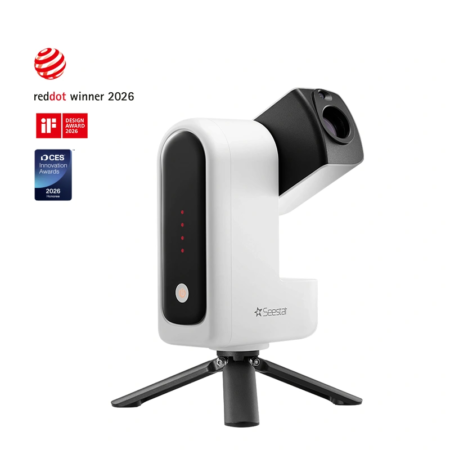
Today’s telescopes are significantly more advanced than older models, including Smart Telescopes. With better coatings, improved lenses, and digital integration, even entry-level telescopes now offer impressive clarity.
Many telescopes for amateurs now include:
- Smartphone control systems
- Automated star tracking
- Lightweight carbon designs
- Better light transmission technology
This makes astronomy more accessible than ever before.
Conclusion
Finding the right telescope doesn’t have to be complicated. Once you understand the basics, choosing from the Best Telescopes for Beginners becomes much easier. Whether you prefer a simple refractor or a smart computerized system, the key is selecting a model that matches your needs and experience level.
Avoid outdated or discontinued models when possible and focus on modern alternatives that offer better usability and support. With the right choice, your journey into astronomy will be both exciting and rewarding.
FAQ
A simple refractor like the Celestron AstroMaster 70AZ is often ideal for beginners.
Not necessarily, but it can make finding objects much easier for beginners.
Yes, even entry-level telescopes can show Saturn’s rings and Jupiter’s moons.
A stable mount and good aperture are more important than high magnification.

No Comments