

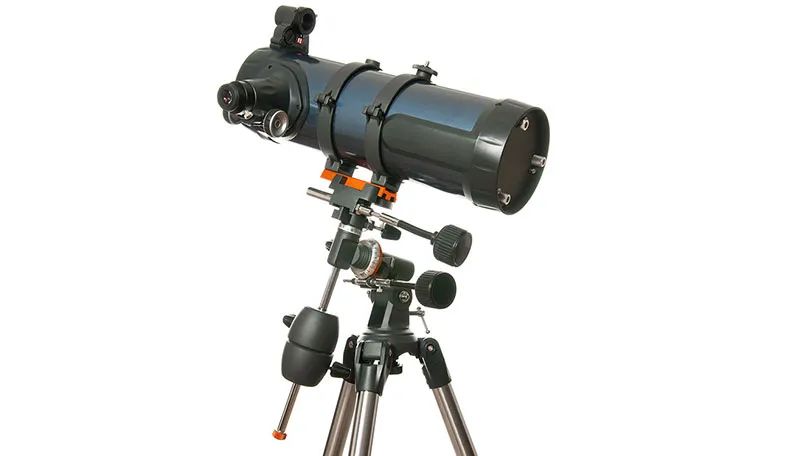
Astronomers use various tools to capture clear views of distant planets, galaxies, and nebulae, and the reflector telescope is one of the most popular choices for this task. This type of telescope is well-known for its excellent light-gathering power and affordable design, making deep-sky observing accessible for both beginners and experienced hobbyists.
In this guide, we will explain exactly how a reflector telescope works, why the Newtonian design is so widely used, and how you can select the perfect model for your own stargazing needs.
What Is a Reflector Telescope?
A reflector telescope is a telescope that uses mirrors instead of lenses to collect and focus light. Unlike refractor telescopes, which rely on glass lenses, a reflector telescope gathers light with a curved primary mirror located at the back of the tube.
This design allows the telescope to collect a large amount of light while keeping the cost lower compared to refractors of similar size. Because of this, reflector Telescopes are extremely popular among beginners and deep-sky enthusiasts.
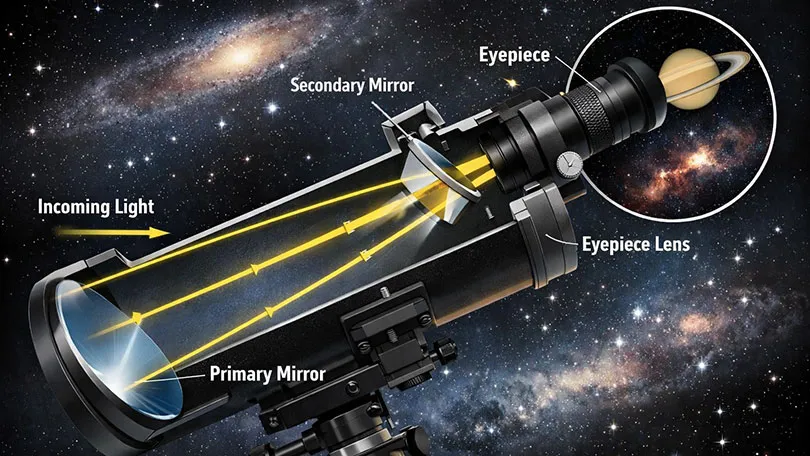
- Light enters the front of the telescope.
- A large curved mirror reflects the light forward.
- A smaller secondary mirror redirects the light toward the eyepiece.
- The observer sees a magnified image.
How Does a Reflector Telescope Work?
A reflecting telescope captures light using a large, curved primary mirror at the base, which gathers incoming rays and bounces them back up the tube. Before the light reaches a focal point, it strikes a smaller, tilted secondary mirror that redirects the beam toward an eyepiece on the side of the frame.
This setup allows the telescope to concentrate a large amount of light into a sharp, magnified image, making distant celestial objects visible to the observer.
Why Reflector Telescopes Are So Popular
Reflector telescopes are a favorite among amateur astronomers because they offer superior light-gathering power at a much lower cost than other designs. By using mirrors instead of lenses, they provide larger apertures that make faint deep-sky objects, like galaxies and nebulae, appear bright and clear without the distracting color distortion (chromatic aberration) found in many refractors.
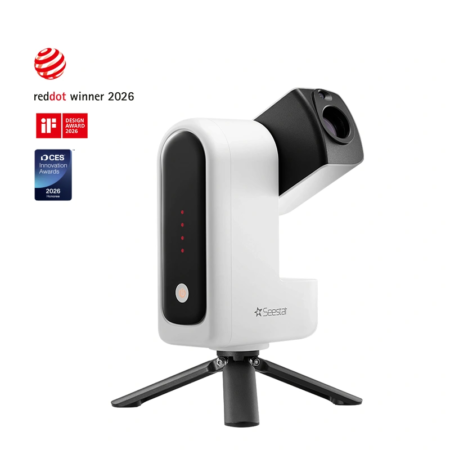
While traditional reflectors require manual setup and alignment, modern tech options like Smart Telescopes can handle the tracking and locating for you automatically. However, whether you're viewing distant star clusters or the details of the Moon, a reflector (especially the popular Dobsonian style) delivers the best "bang for your buck" for high-quality celestial observation.
The Newtonian Reflector Telescope
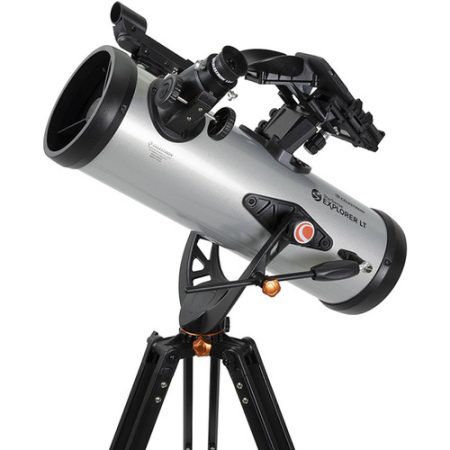
The Newtonian reflector telescope is the most common reflector design in the world. It combines simplicity, affordability, and strong performance.
Main Parts of a Newtonian Telescope
- Primary Mirror: This is the large mirror at the bottom of the telescope. It gathers light.
- Secondary Mirror: A small flat mirror positioned near the front of the tube.
- Eyepiece: The eyepiece magnifies the focused image.
- Telescope Tube: The long cylindrical body that keeps everything aligned.
- Mount: The structure that supports the telescope.
Reflector Telescope vs Refractor Telescope
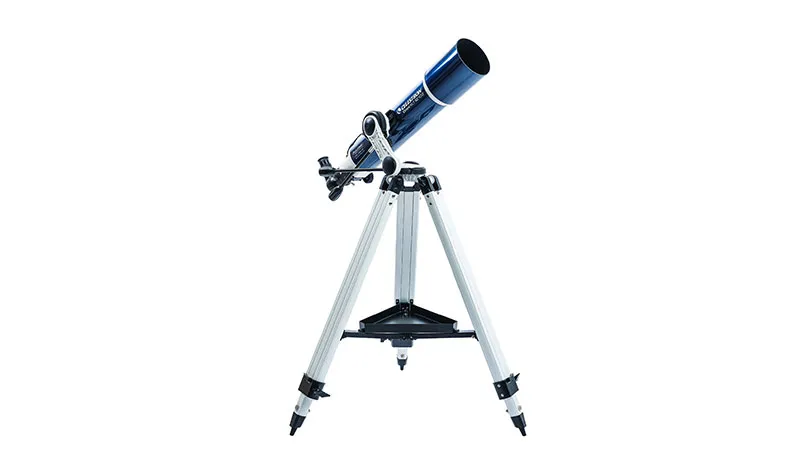
Choosing between a reflector and a Refractor Telescope can be confusing for beginners. The table below explains the main differences.
| Feature | Reflector Telescope | Refractor Telescope |
|---|---|---|
| Uses | Mirrors | Lenses |
| Price for Large Aperture | Lower | Higher |
| Best For | Deep-sky viewing | Planetary and daytime viewing |
| Maintenance | Requires occasional collimation | Lower maintenance |
| Chromatic Aberration | Very little | Can occur in cheaper models |
| Portability | Medium to large | Usually compact |
What Is a Dobsonian Reflector Telescope?
A Dobsonian telescope is a powerful yet user-friendly instrument that pairs a Newtonian reflector with a simple, stable alt-azimuth base. Renowned among amateur astronomers for being both affordable and easy to operate, it offers an exceptional viewing experience for the price.
Its large aperture makes it a favorite for visual astronomy, allowing even beginners to enjoy stunning, crisp views of everything from Saturn’s rings and Jupiter’s clouds to distant galaxies and nebulae.
Best Uses for a Reflector Telescope
A reflector telescope can be used for many types of astronomy.
Planetary Observation
You can observe:
- Saturn
- Jupiter
- Mars
- Venus
With proper magnification, planetary details become surprisingly clear.
Deep-Sky Observation
This is where reflector telescopes truly shine. Large apertures allow observers to see:
- Nebulae
- Galaxies
- Globular clusters
- Open clusters
Astrophotography
- Many experienced astrophotographers use a Newtonian reflector telescope for imaging deep-sky objects.
- Fast focal ratios make them ideal for collecting light quickly.
Aperture in Reflector Telescopes
Aperture refers to the diameter of the primary mirror. The larger the aperture:
- The more light the telescope gathers
- The brighter the image
- The more detail you can see
Common Aperture Sizes
| Aperture | Best For |
|---|---|
| 4–5 inches | Beginners and Moon viewing |
| 6–8 inches | General astronomy |
| 10–12 inches | Deep-sky observing |
| 14+ inches | Advanced astronomy |
- When searching for the best telescope in the world, many astronomers focus first on aperture size.
Popular Reflector Telescope Models
Several reflector telescopes have become very popular among beginners.
Orion StarBlast
The Orion Starblast series became popular because of its compact design and wide-field viewing ability. These telescopes were beginner-friendly and portable, making them attractive for casual astronomy.
Although some well-known product lines from the past are no longer as widely available as before, today’s market still offers many high-quality alternatives that provide excellent optical performance and reliability for both beginners and experienced observers.
Bushnell Voyager Reflector Telescope
The Bushnell Voyager reflector telescope is another well-known beginner option. It is often appreciated for its affordability and ease of setup. For casual skywatching and learning the basics of astronomy, models like this can provide a good introduction to the hobby.
Celestron Reflector Telescopes
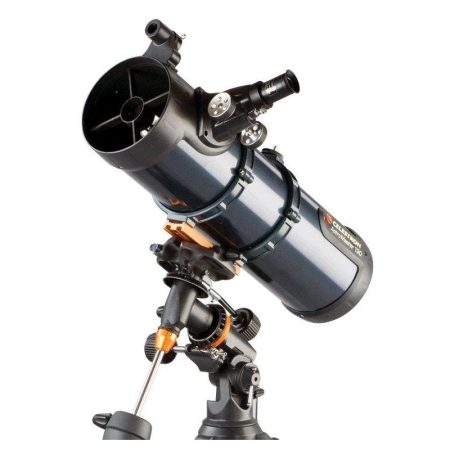
As a leading brand in the astronomy world, Celestron offers outstanding reflector telescopes that are perfect for both beginners and advanced users. Models like the Celestron Omni XLT and the AstroMaster series provide large apertures for bright, clear views of deep-sky objects like nebulae and galaxies. They combine ease of use with powerful optics, making them a fantastic choice available directly on our website.
Sky-Watcher Reflector Telescopes
Sky-Watcher is world-renowned for its exceptional optical quality and innovative designs. Their Dobsonian and Newtonian reflector telescopes are highly recommended for anyone serious about stargazing. Sky-Watcher models offer incredible value, providing large light-gathering capabilities at an affordable price, allowing you to see crisp details of the moon, planets, and beyond.
Choosing the Right Reflector Telescope
Finding the right telescope depends on your goals.
For Beginners: A 6-inch Newtonian telescope is often an excellent starting point.
It provides:
- Good light gathering
- Affordable pricing
- Easy learning curve
- For Families: A Dobsonian reflector telescope is usually simple enough for family use.
- For Deep-Sky Enthusiasts: Larger apertures, such as 8-inch or 10-inch reflectors, provide better views of galaxies and nebulae. Choosing the right equipment makes a big difference when exploring deep-sky objects. If you want to find the perfect setup for your stargazing needs, you can explore some of the telescopes for Viewing Planets and Galaxies to enhance your experience.
- For Portability: Compact reflector models are easier to transport and store.
Common Challenges of Reflector Telescopes
While reflector telescopes offer incredible value and power for stargazing, they do come with a few unique challenges that users should keep in mind:
- The Need for Collimation (Mirror Alignment): Because they use mirrors, reflector telescopes occasionally require manual alignment, a process known as collimation. While this might sound intimidating to beginners, modern collimation tools (like laser collimators) make this process quick, easy, and straightforward.
- Open-Tube Vulnerability: Unlike sealed refractor telescopes, reflectors feature an open-tube design. This makes them more susceptible to environmental factors such as dust, dew, wind, stray light, and internal air currents, requiring occasional cleaning and careful storage.
- Cooling Time (Thermal Stabilization): Large glass mirrors trap heat. To get the sharpest and most stable views, the telescope needs time to cool down and adjust to the outdoor temperature before you start your observation session.
- Bulkier and Heavier Designs: Reflectors can become physically large and heavy, especially those with longer focal lengths or larger apertures. For example, an 8-inch Newtonian tube can be quite long and awkward to transport, and even highly portable Dobsonian mounts can take up significant space in a car.
- Optical Distortions (Coma at the Edges): "Fast" reflector telescopes (those with low focal ratios) can suffer from an optical aberration called coma. This causes stars near the very outer edges of your field of view to appear slightly stretched, shaped like tiny comets rather than perfect pinpoints.
- Not Suitable for Terrestrial (Daytime) Viewing: Newtonian reflectors naturally produce images that are upside-down and reversed from left to right. While this is perfectly fine for looking at stars and planets in deep space, it makes them impractical and inconvenient for daytime viewing of landscapes, wildlife, or boats.
Despite these minor maintenance and handling considerations, reflector telescopes remain one of the absolute best values in astronomy, offering the most light-gathering power for your budget.
Replacing Legacy Favorites: Beyond Orion and Meade
For many astronomy enthusiasts, choosing the right telescope is not only about specifications but also about trust and long-term experience. With over 25 years of successful activity in Iran and more than 15 years in Dubai, experienced astronomy specialists have continued helping beginners and advanced observers find reliable equipment that matches their needs.
Even if certain older telescope lines are no longer available, there are still many modern high-quality alternatives capable of delivering excellent observing experiences with dependable performance and value.
Tips for Using a Reflector Telescope
- Start with Low Magnification: Low magnification makes it easier to find objects in the sky.
- Learn the Night Sky: Using astronomy apps can help identify constellations and planets.
- Observe from Dark Locations: Darker skies improve visibility dramatically.
- Allow the Telescope to Cool: Better temperature balance improves image sharpness.
- Maintain Proper Collimation: Well-aligned mirrors produce the clearest images.
Is a Reflector Telescope Good for Beginners?
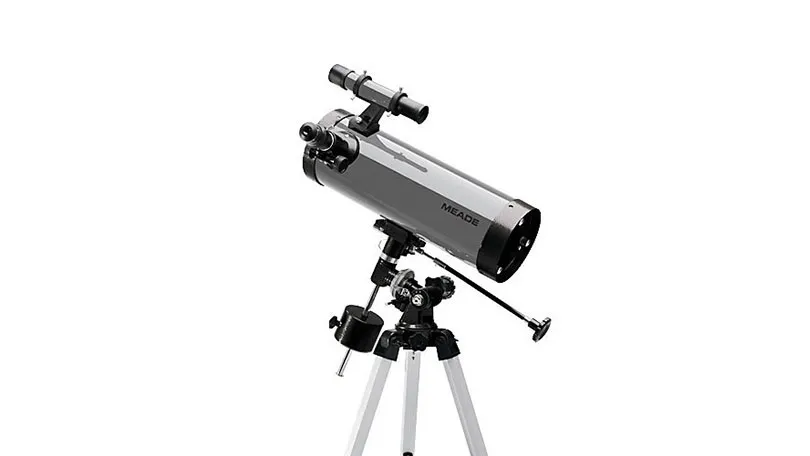
Reflector telescopes are widely considered the ideal choice for beginners because they offer a superior balance of affordability and performance. Thanks to their Newtonian design, these telescopes provide a larger aperture for the price compared to other types, making them exceptionally good at capturing light from faint, deep-sky objects like nebulae and galaxies.
While the "best" telescope ultimately depends on your specific goals, a quality reflector is a reliable, high-value starting point for anyone looking to explore the universe without a massive upfront investment. For those who want to take their hobby a step further and capture stunning deep-space images, choosing the right Telescope for Astrophotography can elevate your experience and help you master long-exposure night sky imaging.
Essential Reflector Buying Guide
Before purchasing a telescope, consider these factors:
Aperture Size: Larger apertures provide brighter images.
Mount Stability: A stable mount improves observing comfort.
Portability: Think about transport and storage.
Accessories: Useful accessories include:
- Extra eyepieces
- Finder scopes
- Collimation tools
- Moon filters
Budget: Set a realistic budget before shopping.
Conclusion
A reflector telescope is one of the most powerful and affordable tools for exploring the universe. By using mirrors instead of lenses, reflector telescopes can gather large amounts of light and provide impressive views of planets, galaxies, nebulae, and star clusters.
Whether you choose a compact Newtonian telescope for casual stargazing or a large Dobsonian reflector telescope for deep-sky observing, this telescope design offers incredible value for astronomy lovers of all experience levels. With the right telescope and a little patience, the night sky can become an unforgettable window into the universe.
FAQ
A reflector telescope is mainly used for observing planets, galaxies, nebulae, and other deep-sky objects.
Yes. A Newtonian reflector telescope is affordable, powerful, and beginner-friendly.
A Dobsonian reflector telescope offers a large aperture and simple operation at a lower cost.
Yes, occasional mirror alignment and cleaning may be required for the best performance.

No Comments