

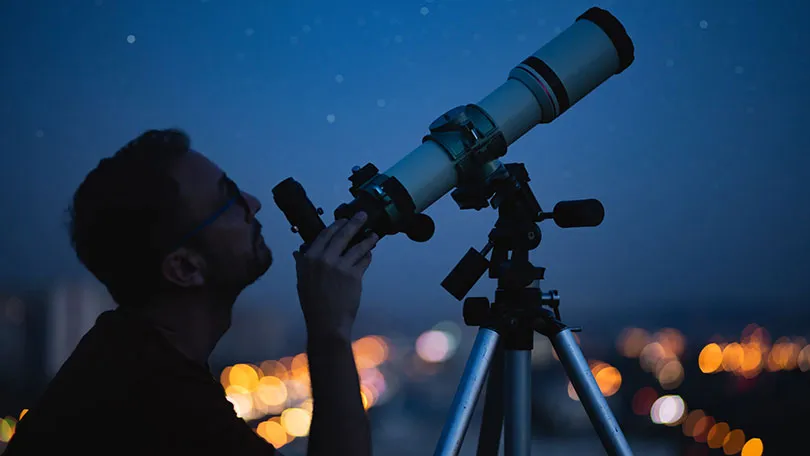
Have you ever looked up at the night sky and wondered what secrets the stars hold, or dreamed of seeing Saturn’s rings, the Moon’s craters, and distant galaxies with your own eyes? If so, you’re not alone, and getting started with astronomy is more affordable and easier than you might think. But before you take that first step, one common question comes up: how much does a telescope cost?
At Dubai Telescope in Iran and Magic Shop Dubai in Dubai, with over 25 years of experience in Iran and 15 years in Dubai, we’ve helped thousands of beginners start their journey into astronomy. That’s why we created this simple guide to help you understand telescope prices, hidden costs, and how to choose the right option for your budget, whether you're just starting or planning to invest in advanced equipment.
The night sky is waiting. Let’s explore what your budget can unlock.
Understanding Telescope Price Ranges
When asking how much a telescope costs, the answer depends on several factors:
- Telescope type
- Aperture size
- Optical quality
- Mount system
- Accessories
- Intended use
To make things easier, telescopes are generally divided into three main price categories.
Entry-Level Telescopes: Perfect for Beginners ($150–$400)
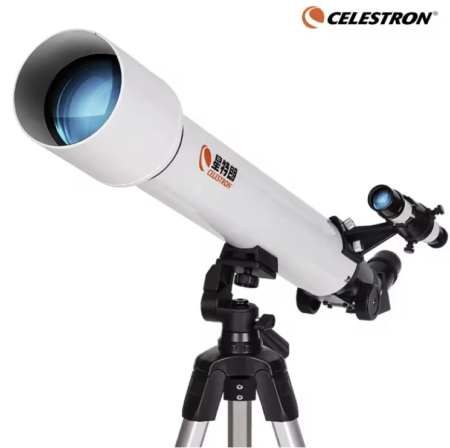
If you're new to astronomy, an entry-level telescope is usually the best place to start. These beginner telescopes typically cost between $150 and $400 and are designed to be simple, lightweight, and easy to use.
With a good beginner telescope, you can clearly observe:
- The Moon’s craters
- Saturn’s rings
- Jupiter’s largest moons
- Bright star clusters
- Some nearby planets
Most entry-level telescopes come in two main styles:
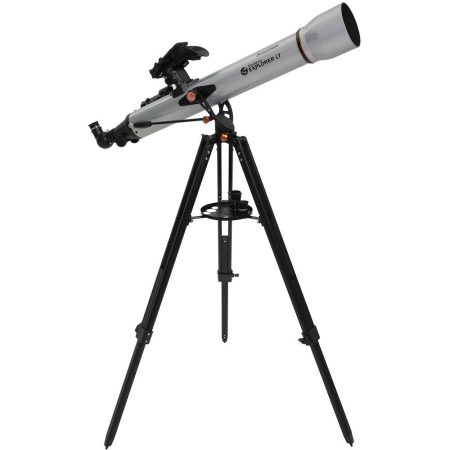
- Refractor telescopes (using lenses)
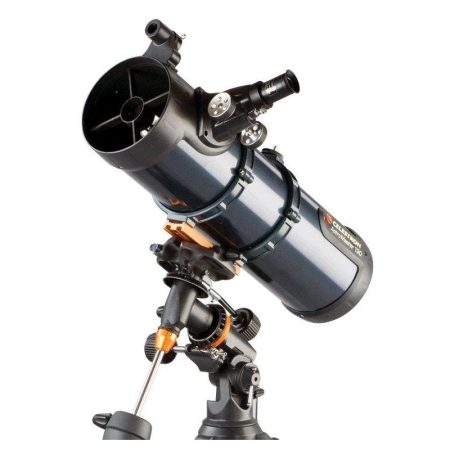
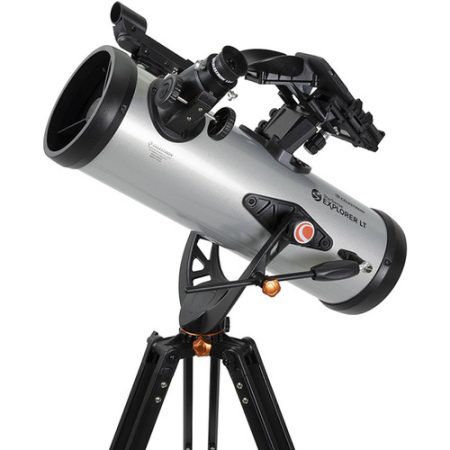
- Reflector telescopes (using mirrors)
Refractors are excellent for viewing the Moon and planets because they provide sharp, high-contrast images. Reflectors often give wider views and better performance for deep-sky objects like nebulae and galaxies.
These affordable telescopes usually include:
- A basic mount
- One or two eyepieces
- A tripod
- A simple finder scope
While they are not ideal for advanced astrophotography, they offer incredible value for learning the night sky and enjoying casual backyard observing.
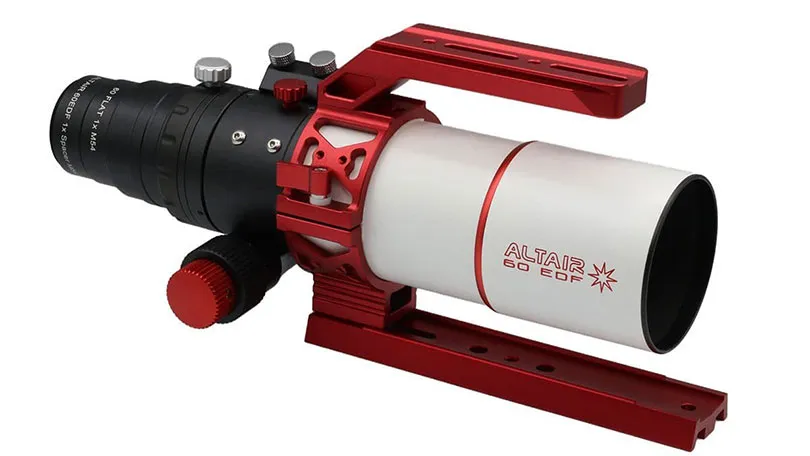
Mid-Range Telescopes: Stepping Up Your Game ($500–$1,000)
If you want brighter views and better performance, mid-range telescopes offer an excellent balance between price and capability.
These telescopes usually cost between $500 and $1,000 and come with:
- Larger apertures
- Better optics
- Stronger mounts
- More accessories
- Computerized GoTo systems
With a larger aperture, you can see deeper into space and enjoy clearer views of:
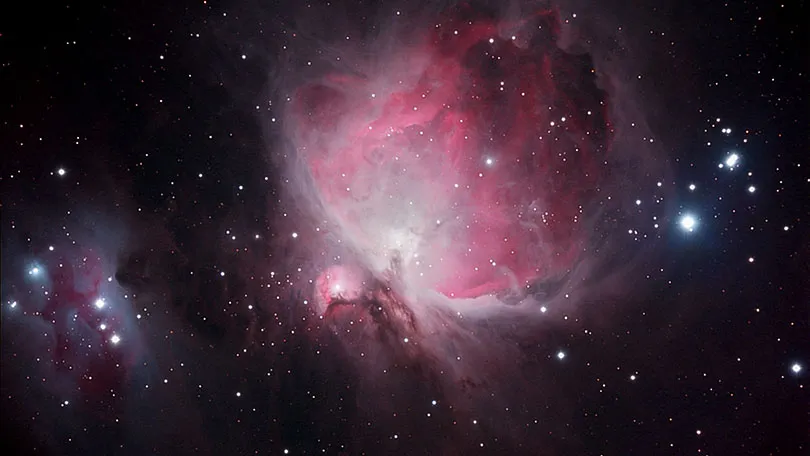
- The Orion Nebula
- The Andromeda Galaxy
- Globular clusters
- Fainter deep-sky objects
One of the biggest advantages in this category is the addition of GoTo mounts. These computerized systems automatically locate and track celestial objects, making astronomy easier and more enjoyable for beginners.
Mid-range telescopes are also a great choice for people interested in learning the basics of astrophotography.
High-End Telescopes: For Serious Enthusiasts ($1,000+)
For advanced observers and astrophotography enthusiasts, high-end telescopes start around $1,000 and can easily exceed several thousand dollars.
These premium telescopes offer:
- Advanced optics
- Precision tracking systems
- High-quality mounts
- Camera compatibility
- Expandability for imaging equipment
High-end telescopes are designed for:
- Deep-sky astrophotography
- Long-exposure imaging
- Detailed planetary observation
- Professional-level viewing experiences
They can produce breathtaking images of:
- Nebulae
- Galaxies
- Planetary surfaces
- Star-forming regions
However, advanced equipment usually requires:
- More setup time
- Technical knowledge
- Stable observing conditions
- Additional accessories
If you're serious about astronomy photography, remember that the telescope itself is only part of the investment.
Telescope Budget Comparison
| Budget | What You Can See | Best For |
|---|---|---|
| $150–$400 | Moon craters, Saturn’s rings, Jupiter’s moons | Beginners and casual observers |
| $500–$1,000 | Nebulae, galaxies, deep-sky objects | Hobbyists and intermediate users |
| $1,000+ | Advanced imaging and detailed deep-sky views | Serious enthusiasts and astrophotographers |
This simple comparison can help answer one of the most common questions beginners ask: how much should I spend on my first telescope?
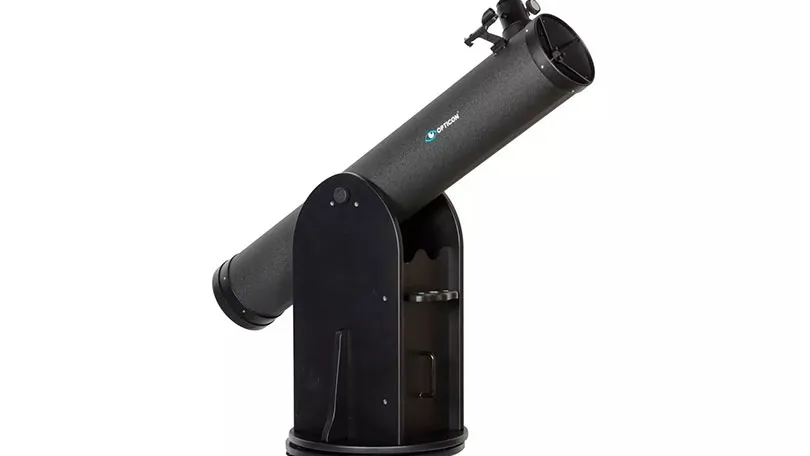
What You Get at Each Price Point
The price of a telescope is not just about brand names or appearance. It directly affects the viewing experience.
Under $400
You can expect:
- Basic optics
- Simpler mounts
- Limited accessories
- Good Moon and planet viewing
Perfect for beginners and families.
$500–$1,000
This range usually includes:
- Better optical quality
- Larger apertures
- Computerized tracking
- More stability
- Improved accessories
Great for users who want to explore deep-sky astronomy.
$1,000+
Premium telescopes offer:
- Exceptional optics
- Precision mounts
- Expandability
- Serious astrophotography capabilities
Ideal for long-term astronomy enthusiasts.
Remember: the most expensive telescope is not always the best telescope for you. The right telescope depends on your goals, experience, and lifestyle.
Hidden Costs to Consider
When evaluating the telescope price, many first-time buyers focus only on the initial cost of the telescope itself and overlook additional essential expenses. In reality, when asking about telescope price, you should also factor in extra costs such as eyepieces, filters, upgraded mounts, and basic maintenance tools, since all of these can significantly raise your total budget beyond the base telescope price.
Here are some common hidden costs:
Extra Eyepieces
Most telescopes include one or two eyepieces, but additional eyepieces improve flexibility and magnification options.
Typical cost:
- $30–$150 each
Filters
Useful filters include:
- Moon filters
- Light pollution filters
- Planetary filters
Typical cost:
- $20–$100 each
Carrying Cases and Bags
Protecting your telescope during travel and storage is important.
Typical cost:
- $40–$200
Better Mounts or Tripods
A shaky mount can ruin the observing experience.
Upgraded mounts may cost:
- $100–$500+
Astrophotography Equipment
Photography accessories may include:
- Cameras
- Adapters
- Tracking systems
- Software
These can add hundreds or even thousands of dollars.
Maintenance Tools
Some telescopes require:
- Lens cleaning kits
- Collimation tools
- Storage accessories
These are small but important long-term costs.
- A smart question to ask before buying is: “What’s included, and what might I need later?”
Common Beginner Mistakes to Avoid
Over the years, we've seen many beginners make the same avoidable mistakes when buying their first telescope, especially when they focus only on telescope price instead of considering important factors like optical quality, aperture, and mount stability, which often leads to disappointment and a poor observing experience.
Buying Based Only on Magnification
Many cheap telescopes advertise extremely high magnification numbers. In reality, optical quality and aperture matter much more than magnification alone.
Choosing a Telescope That’s Too Complicated
A large or highly technical telescope may sound impressive, but if setup becomes frustrating, many people stop using it.
A simple telescope you enjoy using is far better than a complex one collecting dust.
Ignoring Mount Quality
Even excellent optics become frustrating with a weak or unstable mount.
A stable mount dramatically improves the observing experience.
Forgetting About Light Pollution
City lights affect what you can see. If you observe mainly from urban areas, choosing the right telescope and filters becomes even more important.
Not Thinking Long-Term
Some telescopes allow future upgrades like:
- Better eyepieces
- Camera attachments
- Tracking systems
Choosing a telescope with upgrade potential can save money later.
Top Telescope Types for Different Goals
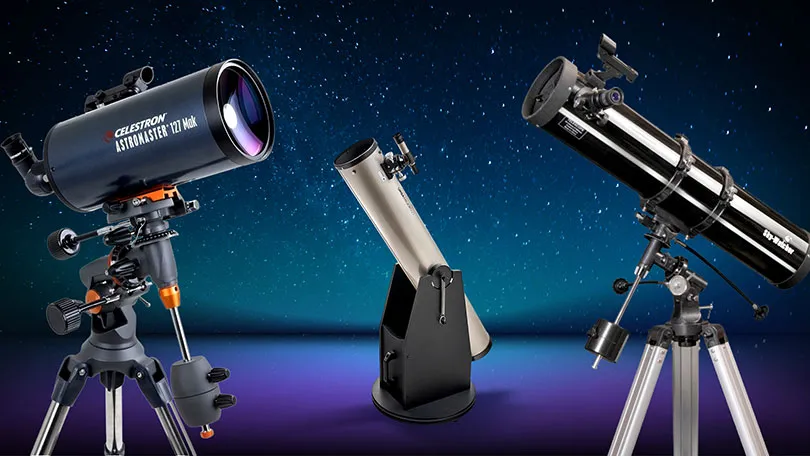
The best telescope depends on what you want to observe. If you are looking for a versatile instrument that combines the best features of mirrors and lenses, you might consider exploring Catadioptric Telescopes. These compact models are excellent for both deep-space viewing and planetary observation.
For Moon and Planet Viewing
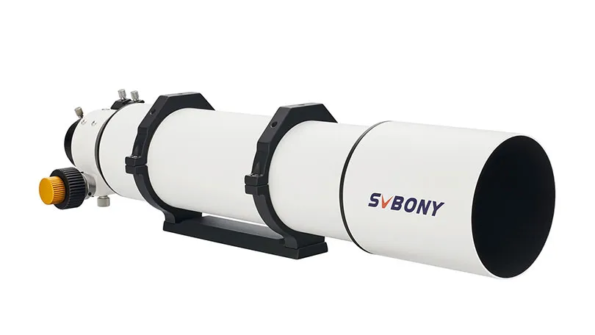
Refractor telescopes are often a great choice, especially because they deliver sharp, high-contrast images and require very little maintenance. If you’re still getting familiar with different designs, our guide on the different types of telescopes clearly explains the key differences between refractor, reflector, and compound telescopes.
For Deep-Sky Observation
Reflector telescopes usually provide larger apertures for the price, making them excellent for:
- Nebulae
- Galaxies
- Star clusters
For Astrophotography
Computerized GoTo telescopes with equatorial mounts are ideal for long-exposure imaging and accurate tracking.
For Families and Kids
Compact and easy-to-use telescopes are often the best choice for family stargazing and learning together.
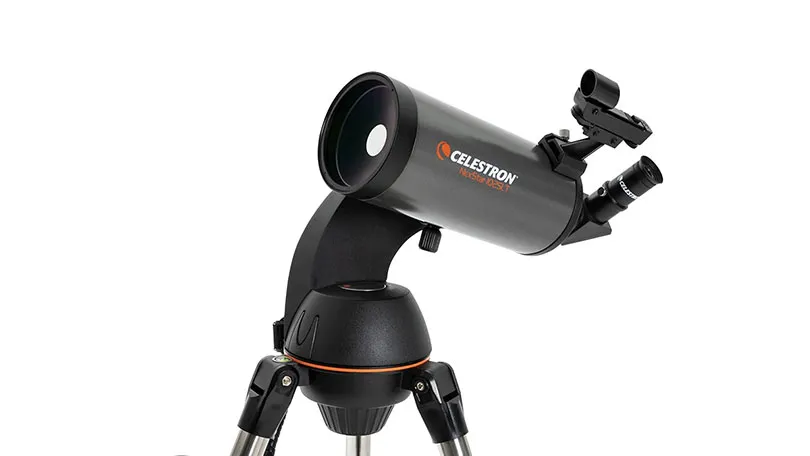
Discontinued Brands: Orion and Meade
You may have heard of well-known telescope brands like Orion and Meade. For many years, these companies offered reliable telescopes across different price ranges.
Recently, however, several classic Orion and Meade product lines have been discontinued, leaving gaps in the market for dependable mid-range telescopes. We carefully select modern alternatives that match or exceed the performance of many discontinued models.
Whether you're searching for:
- A beginner reflector
- A high-quality refractor
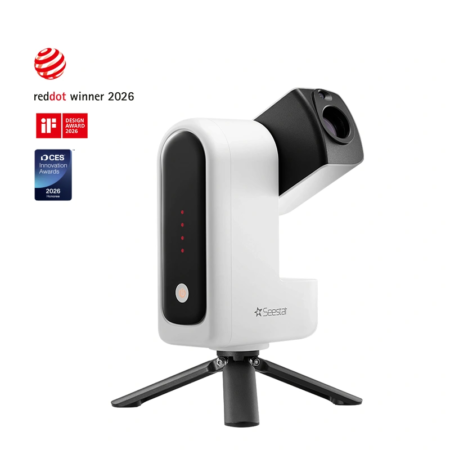
- A smart GoTo telescope
- An astrophotography setup
Our team can help you find reliable equipment that fits both your needs and your budget.
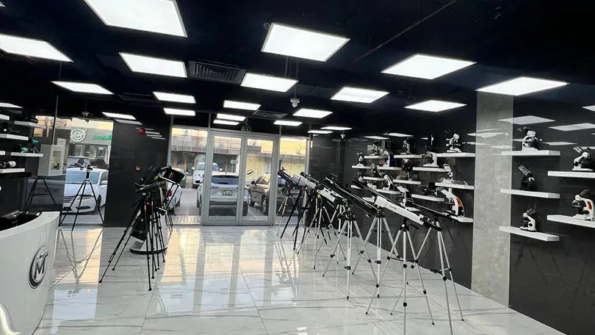
Why Buying From a Trusted Telescope Store Matters
When asking how much a telescope costs, many beginners focus only on finding the cheapest option. However, a telescope is more than just another gadget. We often see people buy very cheap telescopes online and later feel disappointed because of blurry optics, shaky mounts, and poor overall performance.
It is helpful to understand the different Types of Telescopes available so you can choose one that fits your needs and budget. In many cases, spending just a little more can provide a much better viewing experience, clearer images, and a telescope that keeps your passion for astronomy alive for years.
That’s why:
- Expert guidance
- Warranty support
- After-sales service
- Honest recommendations
- Matter just as much as technical specifications.
With decades of experience helping astronomy beginners in Iran and Dubai, we understand how to match people with the right telescope instead of simply selling the most expensive option.
Smart Advice Before You Buy
Before making your final decision, ask yourself these questions:
- How often will I realistically use this telescope?
- Will I observe from the city or dark-sky locations?
- Do I want portability or maximum viewing power?
- Am I interested in astrophotography later?
- Do I prefer simplicity or advanced features?
Answering these questions honestly will help you choose a telescope that fits your lifestyle and expectations.
If you're ready to explore beginner and advanced models, you can browse our collection of telescopes for sale and compare different options and price ranges.
Tips for First-Time Telescope Buyers
Starting your astronomy journey should feel exciting, not stressful.
Keep these beginner-friendly tips in mind:
- Start simple
- Learn the sky gradually
- Don’t chase extreme magnification numbers
- Invest in stability and optical quality
- Join astronomy communities and forums
- Be patient and enjoy the learning process
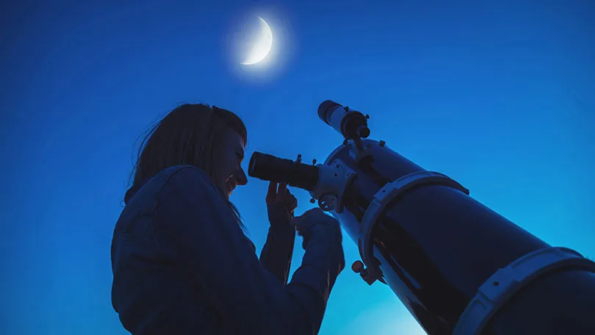
Final Thoughts: Your Sky, Your Journey
So, how much does a telescope cost? The answer can range from around $150 for a beginner telescope to several thousand dollars for advanced astronomy and astrophotography equipment. But the most important thing is not simply the price, it’s choosing a telescope that matches your goals, experience, and passion for exploring the night sky.
At Dubai Telescope and Magic Shop Dubai, we’ve spent decades helping people find the right telescope with honest advice and trusted support, no matter the cost of a telescope or your experience level. Whether you’re just starting or upgrading your gear, the universe is waiting for you to look up, explore, and begin an unforgettable journey among the stars.
FAQ
An entry-level telescope typically costs between $150 and $400. These are designed to be lightweight and user-friendly, making them perfect for observing the Moon and nearby planets.
With a mid-range telescope, you get larger apertures and better optics. This allows you to see deeper space objects like the Orion Nebula, the Andromeda Galaxy, and bright star clusters with much more detail.
The telescope price is just the start. You should also budget for essential extras like additional eyepieces, light filters, carrying cases, and maintenance tools to improve your viewing experience and protect your gear.

No Comments