

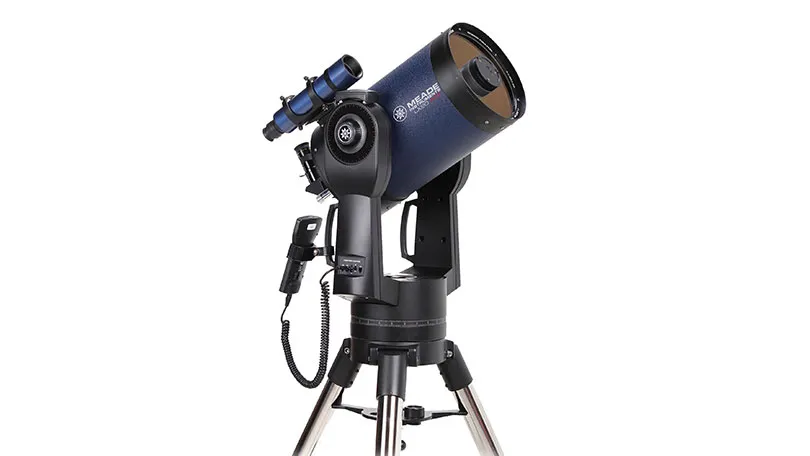
Many stargazers think exploring distant galaxies and nebulae requires a massive, expensive telescope, but catadioptric telescopes offer a smart, revolutionary solution. By uniquely blending mirrors and lenses into a single design, this innovative optical technology delivers stunning, clear views of the universe while remaining compact, portable, and affordable.
Whether you are a curious beginner or an experienced astronomer, understanding how these clever telescopes work can help you choose the perfect equipment for your astronomical journey. In this article, we will break down what catadioptric telescopes are, how they function, and look at their advantages and drawbacks, showing you why they have become a top choice for sky watchers around the world.
What Makes a Telescope Work?
Before diving into catadioptric telescopes, let's understand what all telescopes do. A telescope's job is simple: gather light from distant objects and magnify them so we can see details clearly. The main types of telescopes use different methods to accomplish this:
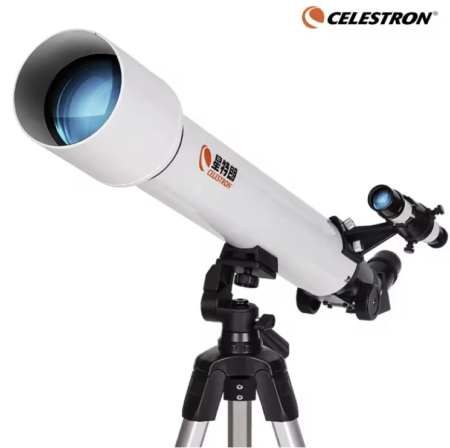
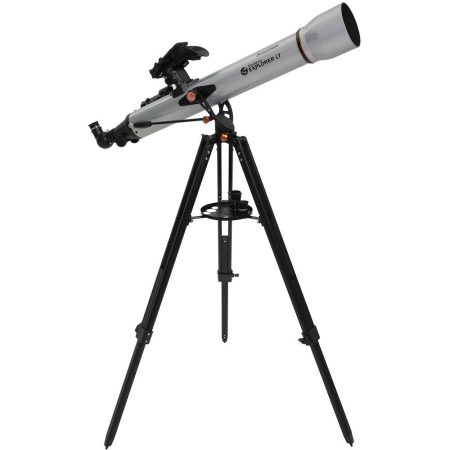
- Refractor telescopes use only lenses to bend and focus light
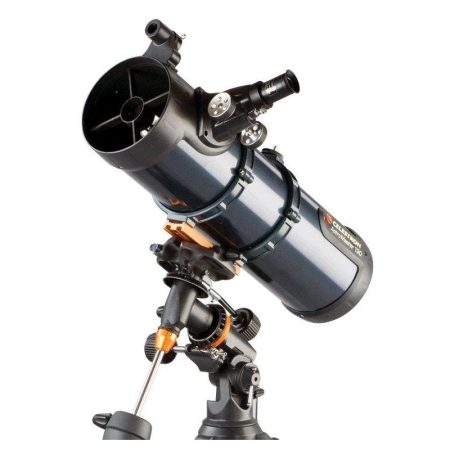
- Reflector telescopes use mirrors to bounce and collect light
- Catadioptric telescopes combine both mirrors and lenses in one clever design
Each type has strengths and weaknesses. Refractors are crisp and require little maintenance, but they're often expensive and bulky for larger sizes. Reflectors are affordable and collect lots of light, but they need regular maintenance and can have optical issues.
Understanding these differences helps you choose between the various Types of Telescopes available today. This is where catadioptric telescopes come in; they balance the advantages of both approaches.
The Design and Function of Catadioptric Telescopes
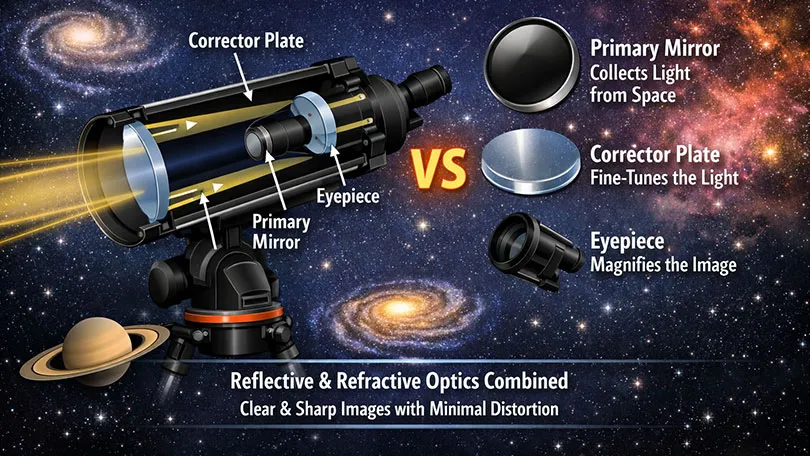
The word "catadioptric" combines two optical principles: "cata" (meaning downward or bending) and "dioptric" (meaning refraction through lenses). True to their name, catadioptric telescopes use both reflective and refractive optics together.
Here's the basic setup:
- The primary mirror at the back collects light from space
- The correcting lens (called a corrector plate) at the front fine-tunes the light
- The secondary mirror in the middle directs light toward the eyepiece
- The eyepiece allows you to view the magnified image
The corrector plate is the secret ingredient. While it's made of glass like a refractor lens, it's specially designed to correct optical imperfections that would otherwise occur when using mirrors alone. This combination creates remarkably clear, sharp images with minimal distortion.
The Most Common Catadioptric Designs
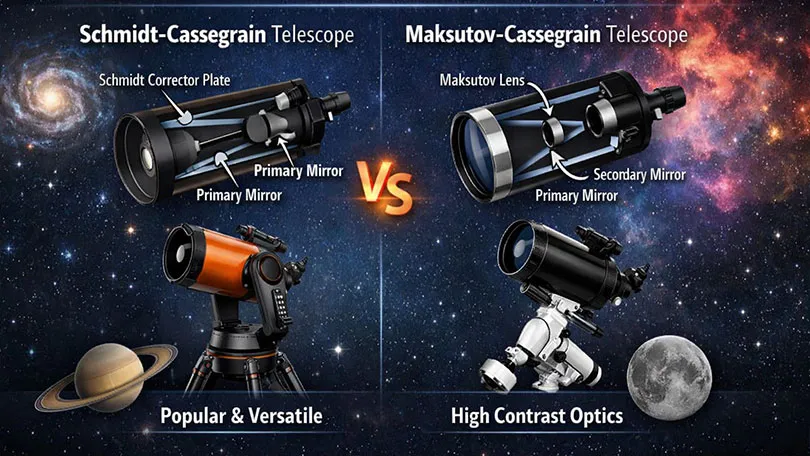
- Schmidt-Cassegrain Telescopes: This is the most popular catadioptric design for amateur astronomers. The Schmidt-Cassegrain combines a Schmidt corrector plate with a Cassegrain optical layout, a fancy way of saying the mirrors are arranged to fold light back on itself, creating a compact tube. This design delivers excellent image quality and is highly versatile for viewing planets, deep-sky objects, and even the Moon. Because of their portability and power, these models are often ranked among the Telescopes for Viewing Planets and Galaxies that provide the best all-around experience for stargazers.
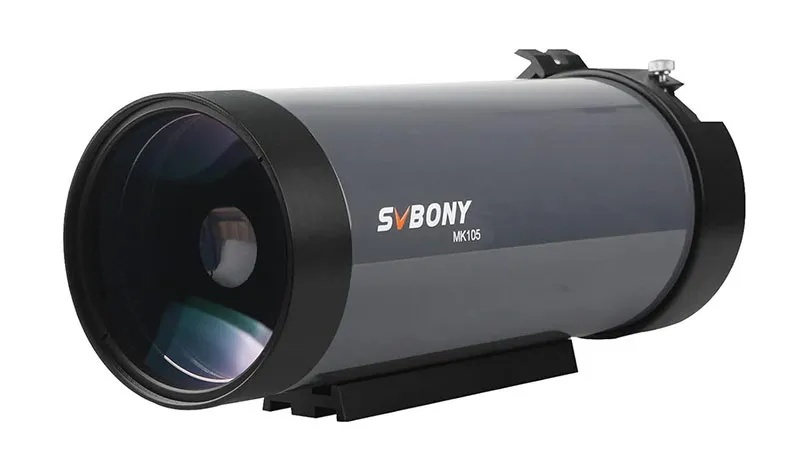
- Maksutov-Cassegrain Telescopes: Another popular variant, the Maksutov-Cassegrain, uses a thick Maksutov lens instead of a thin Schmidt corrector. This design is even more compact and produces exceptionally clear, high-contrast views. Many consider Maksutov telescopes to have superior optical quality for planetary observation.
Why Choose Catadioptric Telescopes?
- Compact and Portable: One of the biggest advantages of catadioptric telescopes is their size. Because light bounces inside the tube multiple times, you get a long optical tube length packed into a short, manageable package. This makes them perfect for travelers, apartment dwellers, or anyone who wants quality optics without sacrificing portability.
- Excellent Optical Quality: The combination of mirrors and lenses corrects many optical flaws found in pure reflector or refractor designs. You get crisp, high-contrast images with minimal color distortion. This makes catadioptric telescopes outstanding for both planetary and deep-sky observation.
- Versatility for All Objects: Whether you want to observe Saturn's rings, distant galaxies, or the craters on the Moon, catadioptric telescopes perform exceptionally well. They're true all-purpose instruments.
- Sealed Design: Unlike reflector telescopes that require occasional mirror cleaning, catadioptric telescopes have a sealed optical tube. This protects the mirrors from dust and environmental damage, meaning less maintenance and longer-lasting performance.
- Value for Money: Compared to large refractor telescopes of similar quality, catadioptric telescopes offer superior performance at more reasonable prices.
Honest Limitations to Consider
Of course, no telescope is perfect. Here are the realistic challenges:
- More Complex Maintenance: While they need less cleaning than reflectors, catadioptric telescopes are more complex than simple refractors. If issues develop, repairs can be more involved.
- Weight and Balance: These telescopes are heavier than refractors of the same aperture, which means you'll need a sturdy mount and stable setup.
- Initial Cost: While reasonable, catadioptric telescopes cost more upfront than basic reflectors, though the investment pays off in longevity and performance.
Ideal Users for Catadioptric Telescopes
- Amateur Astronomers Seeking Serious Performance: If you're past the beginner phase and want genuinely excellent views of planets, star clusters, and galaxies, catadioptric telescopes deliver. They're the choice of countless experienced sky watchers.
- Astrophotography Enthusiasts: The stable optical platform and excellent image quality make catadioptric telescopes outstanding for astrophotography. Many professional amateur astrophotographers prefer them.
- Backyard Observers with Limited Space: Live in an apartment or have a small backyard? The compact size of catadioptric telescopes means you can own a serious instrument without needing a dedicated observatory.
- Those Who Value Convenience: The sealed design and minimal maintenance requirements appeal to people who want quality optics without the constant upkeep.
Comparing with Other Telescope Types
| Feature | Refractor Telescopes | Catadioptric Telescopes | Reflector Telescopes |
|---|---|---|---|
| Optical Design | Lenses only | Mirrors + Lenses | Mirrors only |
| Size & Portability | Fair | Excellent | Good |
| Compactness | Long and bulky | Short & compact | Long tube |
| Image Quality | Excellent | Excellent | Good |
| Color Distortion | Minimal (if quality lens) | Virtually none | None (mirror-based) |
| Maintenance Required | Minimal | Very Low | High |
| Mirror Cleaning Needed | No mirrors | Rarely (sealed tube) | Frequently required |
| Initial Cost | High | Moderate | Low to Moderate |
| Cost for 8-10 inch | $1,500 - $4,000+ | $700 - $2,000 | $500 - $1,500 |
| Planetary Viewing | Excellent | Excellent | Good |
| Deep-Sky Objects | Good | Excellent | Excellent |
| Astrophotography | Good | Excellent | Fair |
| Weight (8-inch) | 15-20 lbs | 12-18 lbs | 8-12 lbs |
| Learning Curve | Easy | Moderate | Easy |
| Best For | Beginners, lunar & planetary | Serious amateurs, all-purpose use | Budget-conscious, light-gathering |
| Longevity | 20+ years | 25+ years | 15-20 years |
For most serious amateur astronomers, catadioptric telescopes offer the best overall package, perfectly balancing cost, optical performance, portability, and minimal maintenance requirements. If you are exploring various types of Telescopes to find the right fit for your hobby, these models are often a top choice.
While refractors excel in image quality but cost significantly more, and reflectors are budget-friendly but demand regular upkeep, catadioptric telescopes deliver excellence across all categories without major compromises.

Reliable Alternatives for Your Stargazing Needs
We know it’s frustrating when the equipment you trust is no longer an option. Well-known industry giants like Orion and Meade have recently discontinued their operations, leaving many astronomers searching for reliable replacements.
Whether you are looking to fill the gap left by these brands or simply need an upgrade, we are here to help. We specialize in providing high-quality instruments that match or exceed the performance of those classic models. Let us help you find the perfect substitute so you can get back to the stars with equipment you can count on.
Practical Tips for Selection and Use
- Choosing the Right Size: Catadioptric telescopes typically come in apertures from 4 inches to 14 inches. Beginners should consider 6-8 inches, which balances light-gathering ability with manageable size and weight.
- Mount Matters: Pair your catadioptric telescope with a quality equatorial or alt-azimuth mount. The telescope's weight demands stable support.
- Start Simple: Begin with a low-power eyepiece to locate objects easily, then switch to higher magnification as you become more comfortable with your telescope.
- Location Counts: Find darker skies away from light pollution. Even the best telescope performs poorly in bright, hazy conditions.
The Future of Catadioptric Telescope Technology
Telescope design continues to evolve. Modern catadioptric telescopes are being manufactured with improved coatings, stronger structural materials, and enhanced optical designs. Computer-controlled mounts make these instruments even more user-friendly, automatically tracking celestial objects as they move across the sky.
If you are looking for a versatile instrument that balances power and size, exploring a range of Catadioptric Telescopes is a great place to start. The combination of portability, optical excellence, and increasingly affordable advanced features suggests that catadioptric telescopes will remain central to amateur astronomy for decades to come.
Conclusion
Catadioptric telescopes represent an elegant solution to a fundamental challenge: how to create powerful, portable, easy-to-maintain instruments for observing the cosmos. By combining the strengths of mirrors and lenses, these telescopes deliver remarkable optical performance in a compact package.
Whether you're exploring Saturn's rings, searching for distant galaxies, or simply marveling at our Moon's surface, a catadioptric telescope can transform your experience of the night sky. They've earned their place as the preferred choice of serious amateur astronomers worldwide, and with good reason.
The universe is waiting. The right telescope is the key to truly seeing it.
FAQ
Rarely, if ever. Unlike reflector telescopes, catadioptric telescopes have a sealed optical tube. The corrector plate front window may need occasional cleaning if dust accumulates, but the internal mirrors are protected from environmental exposure.
Absolutely. Catadioptric telescopes are excellent for astrophotography due to their stable optical platform, long focal length, and low vibration characteristics. Many dedicated astrophotographers prefer them specifically for these qualities.
Both are catadioptric designs, but they use different corrector elements. Schmidt-Cassegrains have a thinner corrector plate and are slightly more affordable. Maksutov-Cassegrains use a thicker lens, offer slightly more compact designs, and many observers prefer their higher contrast views.
Yes, but they're better suited to those ready to invest in quality equipment. If you're completely new to astronomy, start with a simpler refractor or reflector. Once you're committed to the hobby, a catadioptric telescope becomes an excellent choice that will serve you for many years.

No Comments