

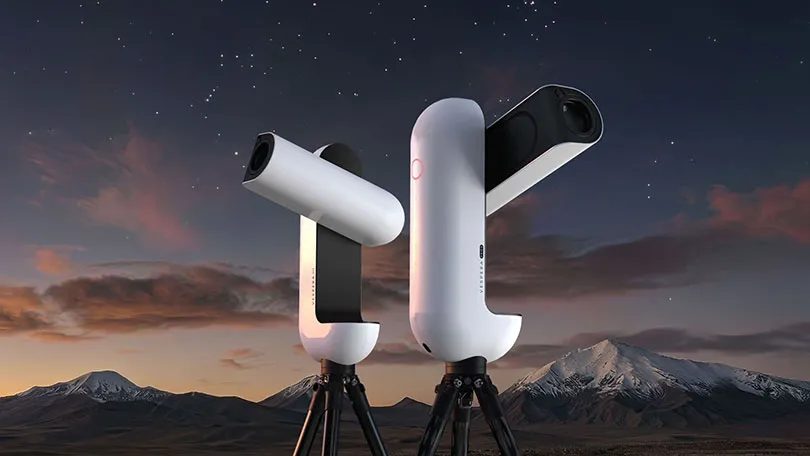
A Smart Telescope has changed the way people explore the night sky by making astronomy simpler, faster, and more enjoyable. Instead of dealing with complicated manual adjustments and difficult sky navigation, modern smart telescopes use digital technology, automated tracking, and app-based controls to help users observe celestial objects with ease. To better understand how different optical systems compare and evolve, you can also explore Types of Telescopes.
Whether you are new to astronomy or looking for a more convenient observing experience, understanding how these advanced telescopes work can help you make a smarter choice. In this guide, you will learn what a smart telescope is, how it works, and why it has become a popular option for modern stargazers.
What Is a Smart Telescope?
A Smart Telescope is a modern telescope that combines traditional optics with digital technology, automated tracking, and smartphone or tablet connectivity. You can explore available options here: Smart Telescopes. Unlike standard telescopes that often require manual setup and star alignment, these advanced systems help you locate celestial objects automatically and display enhanced images through digital processing.
In simple words, instead of spending time learning complicated controls, you can focus on enjoying the moon, planets, star clusters, and deep-sky objects with much less effort. This makes smart telescopes a practical choice for beginners, families, and astronomy lovers who want a simpler experience.
Key Components of a Smart Telescope
A Smart Telescope is built from several integrated parts that work together to deliver automatic alignment, digital imaging, and easy sky observation. Each component plays an important role in making the system simple and efficient:
- Optical Tube (Lens or Mirror System): The main light-gathering part that collects light from stars, planets, and deep-sky objects.
- Digital Imaging Sensor: Replaces or supports the traditional eyepiece by capturing light electronically to produce digital images.
- Motorized Mount: A precision-controlled base that moves the telescope smoothly and enables automatic tracking of celestial objects.
- GPS and Sensors: Help determine the exact location and orientation of the telescope for fast automatic alignment.
- Onboard Computer System: Processes data, controls movement, and manages image stacking and object tracking.
- Mobile App Interface: Connects the telescope to a smartphone or tablet, allowing users to control functions and select objects easily.
- Power System (Battery or Rechargeable Unit): Supplies energy for motors, sensors, and digital processing during operation.
Together, these components allow a Smart Telescope to operate with minimal manual effort while delivering accurate and enhanced views of the night sky.
How Does a Smart Telescope Work?
A Smart Telescope works by combining several technologies into one easy-to-use system. Instead of depending on manual setup and traditional star navigation, it uses digital tools, automated tracking, and smart software to help users find and observe celestial objects more easily.
1. Automated Star Alignment
Traditional telescopes often need manual alignment before use, which can be difficult for beginners and may take time. Smart systems simplify this process by using GPS, built-in sensors, internal star databases, and plate-solving technology to identify their position in the sky automatically. In simple terms, the telescope can recognize where it is pointed and align itself with minimal user input. This makes setup faster, improves accuracy, and allows you to begin observing without needing advanced astronomy knowledge.
2. App-Based Control
Most smart telescopes connect to a smartphone or tablet through a dedicated app, which acts as the control center for the telescope. Through the app, you can choose planets, galaxies, nebulae, or stars, and the telescope moves automatically to the selected target.
Some apps also provide sky maps and object information, making the experience even easier. This is where the concept of telescope smart technology becomes useful, because software and automation help you find objects in seconds instead of searching manually.
3. Digital Imaging and Image Stacking
Many smart telescopes use digital sensors rather than relying solely on direct eyepiece viewing. They capture multiple short exposures and combine them to create a brighter, clearer, and more detailed image. This process is called image stacking, and it helps reveal deep-sky objects that may appear faint to the human eye. It also improves image quality by enhancing brightness and reducing visual noise.
4. Tracking Celestial Objects
Because stars and planets appear to move across the sky as Earth rotates, smart telescopes use motorized tracking systems to keep objects centered automatically. Once the telescope locks onto a target, it tracks its motion with small real-time adjustments. This allows you to observe longer, enjoy a more stable view, and capture clearer images with less manual correction.
Key Features of Smart Telescopes
A good Smart Telescope usually offers features such as:
- Automatic alignment
- Smartphone or tablet app control
- Digital image enhancement
- Object tracking
- Built-in astronomy database
- Easy portability and compact design
- Photo capture and sharing options
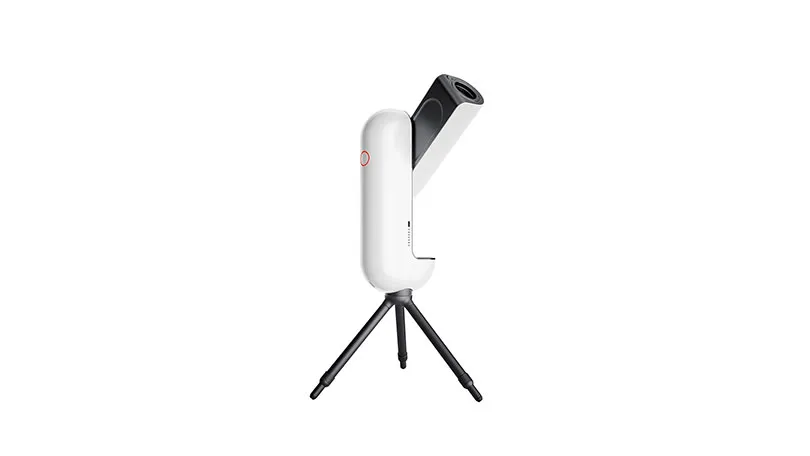
Some modern systems, such as the Vauonis Vespera, have become popular because they combine portability, automation, and imaging in one compact astronomy tool. You can explore a wide range of Telescopes to find models that match different needs, whether for beginners or advanced astronomy users.
Who Should Buy a Smart Telescope?
Smart telescopes are useful for many types of users:
- Beginners: If you are new to astronomy, smart telescopes remove much of the learning curve. You spend less time adjusting equipment and more time enjoying the sky.
- Families and Casual Users: Parents and hobby users often prefer these systems because they are simple to operate and provide fast results.
- Astrophotography Enthusiasts: People interested in capturing celestial images can benefit from built-in digital imaging tools, such as a Telescope for Astrophotography.
- Travelers: A portable smart telescope can be especially useful for users who want compact equipment for camping, travel, or outdoor night observation.
Our Smart Telescope Suggestions
If you are looking for a smart telescope, some models stand out worldwide for their technology, ease of use, and imaging quality.
Here are a few popular choices:
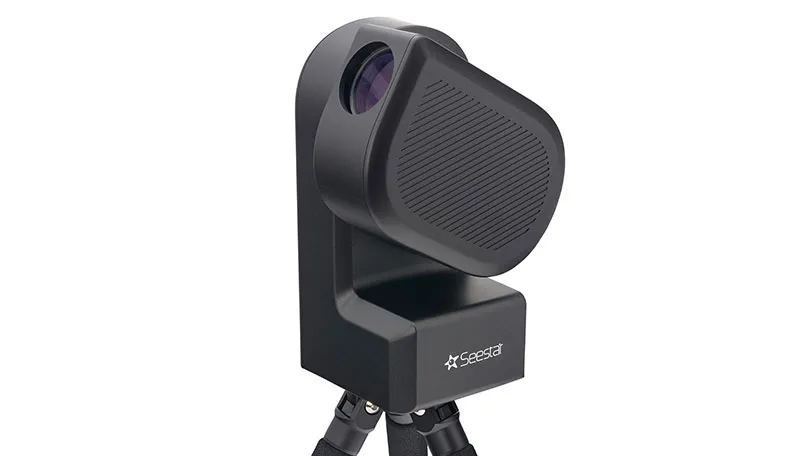
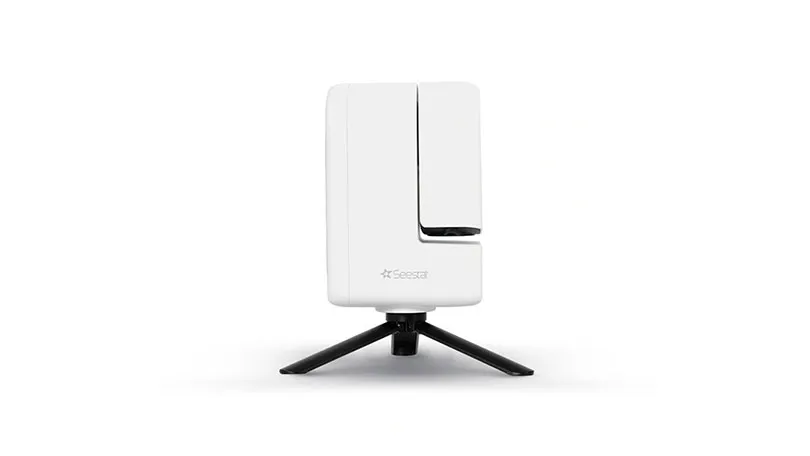
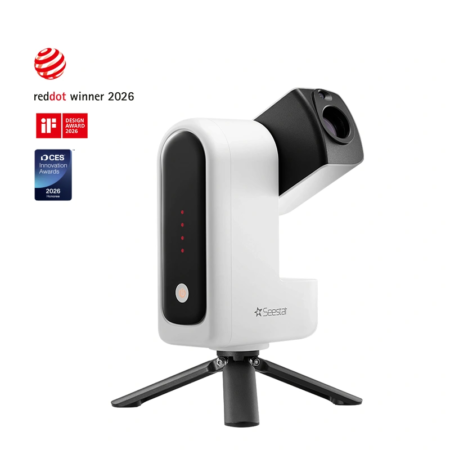
- ZWO Seestar S50: One of the most popular smart telescopes for beginners, known for easy setup and impressive astrophotography results.
- Vaonis Vespera: A premium smart telescope with an elegant design and advanced imaging features for serious astronomy enthusiasts.
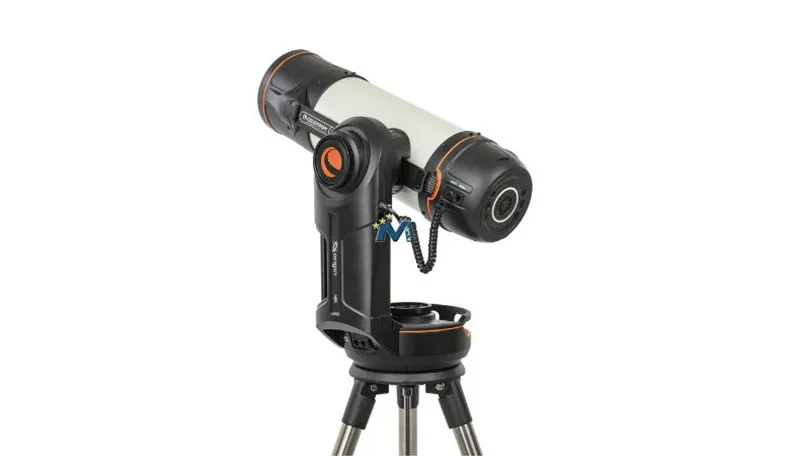
- Celestron Origin: A powerful, intelligent home observatory designed for users who want a more advanced smart astronomy experience.
- DWARF LAB Smart Telescope: A compact and portable option that is great for travel, casual skywatching, and beginner astrophotography.
If you want to explore reliable smart telescopes available from our store, check our collection of Smart Telescope options at Dubai Telescope, including:
- ZWO Seestar S30 Smart Telescope: A compact and user-friendly choice for beginners and quick astrophotography sessions.
- DWARF LAB Smart Telescope AP 30/150 Mini: A lightweight smart telescope designed for portability and simple digital sky observation.
- Celestron Origin Intelligent Home Observatory: A premium smart telescope for users who want advanced imaging and automation in one system.
Is a Smart Telescope Better Than a Traditional Telescope?
The answer depends on your needs. Traditional telescopes often provide a more hands-on astronomy experience and may offer more flexibility for advanced users. Smart telescopes focus on convenience, automation, and easier learning.
If your goal is quick setup, automatic object finding, and simple imaging, a smart telescope may be the better choice. If you enjoy manual sky navigation and customizing your equipment, a traditional telescope may still be ideal.
For many buyers looking for the best smart telescope, the right choice depends on portability, app quality, imaging features, and overall ease of use.
What Makes a Smart Telescope Better?
A Smart Telescope is designed to make astronomy simpler, faster, and more enjoyable by combining modern digital technology with traditional optical performance. Compared to conventional systems, it offers several clear advantages that improve both the experience and results of sky observation:
- Easy automatic setup: No need for complex manual alignment; the telescope calibrates itself using GPS and internal sensors.
- Fast object finding: Built-in software quickly locates planets, stars, and deep-sky objects without manual searching.
- App control system: You can control everything from your smartphone or tablet in a simple and user-friendly way.
- Better image quality: Digital sensors and image stacking help produce clearer and brighter views of faint objects.
- Beginner-friendly design: Even users with no astronomy experience can start observing within minutes.
- Portable and compact options: Many models are lightweight and easy to carry for travel or outdoor use.
- Real-time tracking: The system automatically follows celestial objects as they move across the sky.
These features make modern smart systems a strong choice for anyone looking for convenience, accuracy, and a more enjoyable stargazing experience.
Finding the Right Telescope Today
Finding the right telescope today has changed compared to the past, especially for users who remember well-known brands like Orion and Meade, which were once popular but are now no longer widely available in the market. This has created a gap that can easily be filled with modern, high-quality alternatives that often offer better performance, smart features, and improved user experience.
One of the most popular and reliable options for many astronomy users today is modern Reflector Telescopes, which continue to offer strong light-gathering ability and excellent value for both beginners and advanced users.
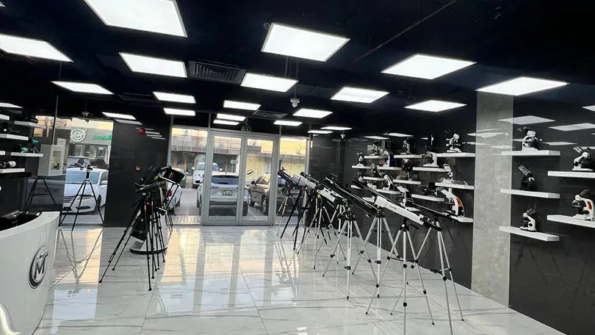
Instead of focusing on discontinued options, users can now choose telescopes that better match their goals, budget, and observing style, and we help guide them toward the right choice. With over 25 years of experience in Iran and 15 years in Dubai, we support astronomy enthusiasts in selecting reliable optical equipment, known in Iran through dubaitelescope.com and in Dubai as Magic Shop, always focusing on practical needs rather than just technical details.
Final Thoughts
A Smart Telescope is designed to make astronomy easier, faster, and more enjoyable. With automatic alignment, app-based controls, digital imaging, and intelligent tracking, it removes many of the challenges that beginners often face.
If you want a telescope that helps you spend less time adjusting equipment and more time enjoying the beauty of the night sky, this modern type of telescope can be an excellent choice. The right telescope should fit your experience level, observing style, and expectations—so choose one that helps you enjoy astronomy with confidence.
FAQ
A smart telescope is a digital telescope that uses automation, app controls, and tracking technology to simplify sky observation.
Most smart telescopes use smartphone or tablet apps for control, alignment, and object selection.
Yes, they are often ideal for beginners because they reduce manual setup and make astronomy easier.
Yes, many smart telescopes include digital imaging systems that can capture and enhance celestial photos.

No Comments