

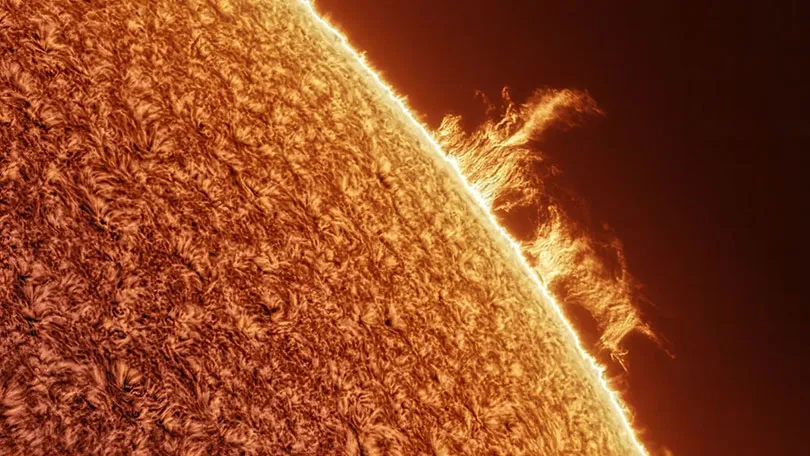
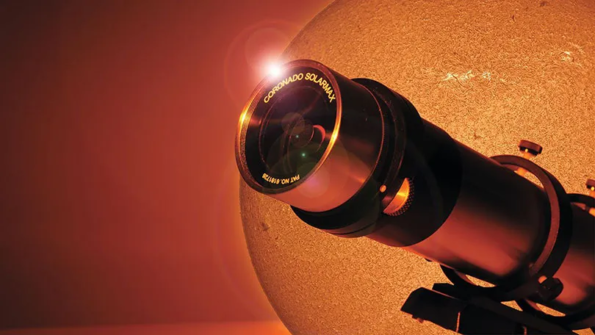
Observing the Sun has always fascinated astronomers, but it also comes with serious risks if done incorrectly. A Solar Telescope is a specialized instrument that enables safe, detailed observation of the Sun’s surface, including sunspots, solar flares, and prominences. Unlike regular telescopes, it uses specialized filtering and optical systems to block harmful radiation and reduce intense sunlight to safe levels.
In recent years, interest in solar astronomy has grown rapidly among both professionals and amateur skywatchers. Modern equipment has made it possible for enthusiasts to observe solar activity with impressive clarity and safety. In this article, we will explore how a Solar Telescope works, what technologies it uses, and why it is essential for safe solar observation.
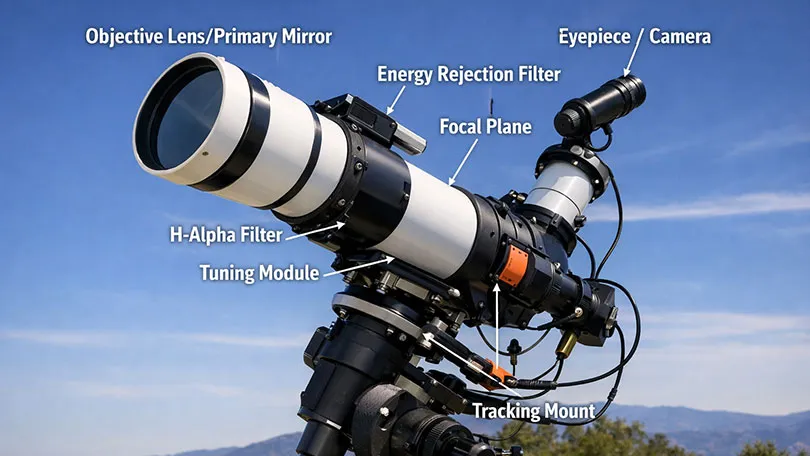
Main Components of a Solar Telescope
- Objective Lens or Mirror: Collects and focuses incoming sunlight.
- Energy Rejection Filter (ERF): Reduces harmful heat and radiation before light enters the system.
- Etalon Filter (in advanced models): Isolates specific wavelengths such as Hydrogen-alpha for detailed solar features.
- Blocking Filter: Further refines and limits light intensity for safe viewing.
- Eyepiece or Camera Adapter: Allows visual observation or astrophotography capture.
- Tube Assembly: Holds all optical components in precise alignment.
- Mounting System: Provides stability and tracking of the Sun’s movement.
Together, these parts form a complete system that allows a Solar Telescope to safely reveal sunspots, prominences, and solar flares in great detail without damaging eyesight or equipment.
How a Solar Telescope Works
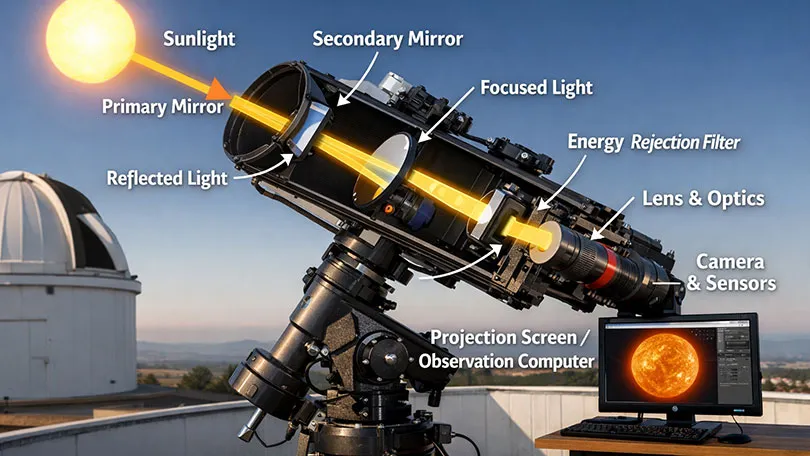
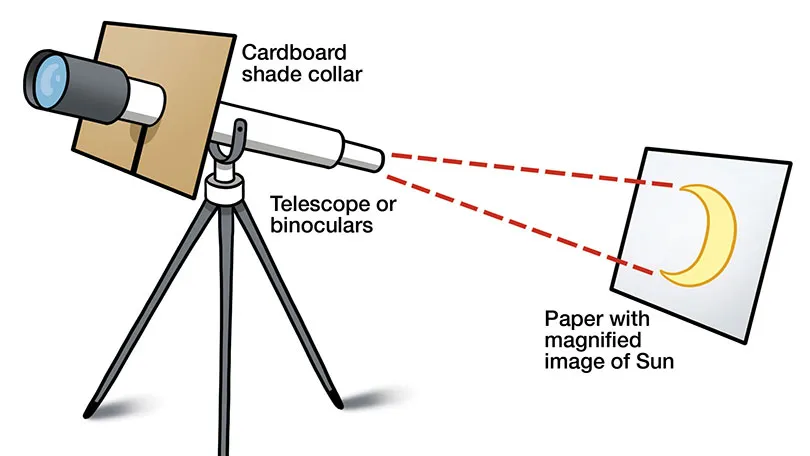
A Solar Telescope works by carefully controlling both the intensity and wavelength of sunlight before it reaches the observer or imaging sensor. This is achieved through multiple optical filtering and light-management techniques:
- White-light filtering: Reduces the Sun’s overall brightness using specially coated solar filters, allowing safe observation of surface features like sunspots and granulation.
- Narrowband imaging: Isolates very specific wavelengths of light, such as Hydrogen-alpha or Calcium-K, to reveal highly detailed solar activity like flares, filaments, and prominences.
- Energy-rejection systems: Advanced coatings and front-end filters block most of the Sun’s heat and harmful radiation before they enter the telescope tube.
- Etalon-based filtering (advanced models): Uses precision optical cavities to isolate extremely narrow wavelength bands, dramatically increasing contrast and making active solar regions visible.
- Final blocking filters: Ensure only a safe, controlled level of light reaches the eyepiece or camera sensor for secure viewing.
Together, these systems allow a Solar Telescope to transform intense solar radiation into a safe, high-contrast image of the Sun’s dynamic surface.
Safety First: Why Solar Filters Are Essential
Safety is the most important principle in solar observation, because even a brief moment of unprotected viewing can cause permanent eye damage. This is why every Solar Telescope must use certified filtering systems that dramatically reduce the Sun’s intense radiation before it reaches the eye or camera.
Solar filters for telescopes are specialized optical layers made of high-quality glass or film that block more than 99.999% of sunlight, allowing only a safe fraction to pass through the system.
In white-light solar observation, sun filters for telescopes are commonly used to reveal surface details such as sunspots and granulation while keeping brightness at safe levels. Without these protective filters, no telescope is suitable for solar viewing, making certified filtration an essential part of every safe solar observation setup.
Different Types of Solar Telescope Systems
There are several types of solar observation systems available today, which you can explore in Types of Telescopes.
1. Solar Scope Systems
A solar scope system is a compact telescope specifically designed for observing the Sun safely and conveniently. These systems typically include built-in solar filters and require minimal setup, making them an excellent choice for beginners, educators, and hobbyists who want an easy and portable way to explore solar activity without the complexity of advanced equipment.
2. Sun Telescope Designs
A sun telescope is a broad term used for any telescope that has been designed or adapted for solar observation. These instruments range from basic telescopes equipped with certified solar filters to sophisticated Hydrogen-alpha systems capable of revealing detailed solar phenomena. The best option depends on whether the user is interested in casual viewing, photography, or advanced solar research.
3. Dedicated Solar Scopes
A dedicated solar scope is purpose-built for observing the Sun and often includes integrated filtering technology that cannot be found in standard astronomical telescopes. Because these instruments are optimized exclusively for solar viewing, they provide higher contrast, greater safety, and more detailed views of solar features such as sunspots, filaments, and surface texture.
4. Advanced Systems Like Lunt
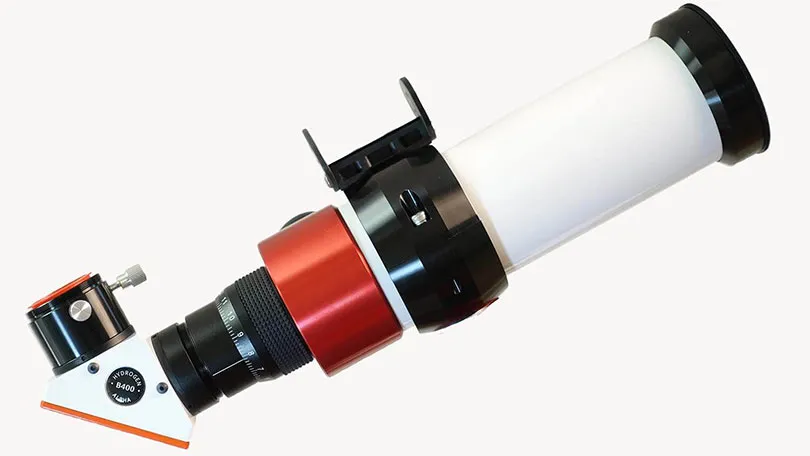
A Lunt solar telescope is widely recognized among solar astronomy enthusiasts for its advanced Hydrogen-alpha technology and exceptional optical performance.
These telescopes are designed to reveal fine solar details that are invisible in standard white-light observation, including prominences, filaments, and active regions on the Sun. They are particularly popular among serious observers and astrophotographers seeking the highest level of solar detail.
Why Solar Telescopes Are Becoming More Popular
The popularity of solar astronomy has grown significantly in recent years, thanks to improvements in technology and increased public interest in observing our closest star. Several factors have contributed to this growing trend:
- Increased Solar Activity: Recent solar cycles have brought more visible sunspots, solar flares, and prominences, creating exciting opportunities for solar observation.
- Safer and More Affordable Equipment: Modern solar telescopes and certified filtering systems have become more accessible, making solar astronomy safer and easier for beginners.
- Growth of Astrophotography: More astronomy enthusiasts are capturing detailed images of the Sun and sharing them online, inspiring others to explore solar observation.
- Educational Value: Schools, universities, science centers, and observatories increasingly use solar telescopes to teach astronomy and demonstrate solar phenomena in real time.
- Unique Daytime Observing Experience: Unlike traditional astronomy, solar observation can be enjoyed during daylight hours, making it more convenient for many users.
- Advancements in Optical Technology: Modern filtering systems and high-quality optics now reveal incredible solar details that were once visible only through professional observatories.
A modern Solar Telescope allows observers to witness the constantly changing nature of the Sun, transforming astronomy from a nighttime hobby into an exciting daytime experience filled with dynamic and educational discoveries.
Optical Technology Behind Solar Telescopes
Modern solar telescopes rely on advanced optical technologies to safely manage the Sun’s intense light and heat while delivering detailed, high-contrast views of solar activity. Key components include:
- Energy Rejection Filters (ERF): Positioned at the front of the optical system, these filters block a large portion of the Sun’s heat and harmful radiation before it enters the telescope, protecting both the optics and the observer.
- Etalon Filters: Highly specialized filters that isolate extremely narrow wavelength bands, such as Hydrogen-alpha, allowing observers to see prominences, filaments, solar flares, and other dynamic solar features with remarkable detail.
- Precision-Coated Lenses: Advanced optical coatings reduce unwanted reflections, improve light transmission, and enhance image contrast for clearer and more accurate solar observations.
- Heat-Resistant Optical Glass: Designed to withstand prolonged exposure to intense sunlight, these optical elements help maintain image quality and ensure long-term durability.
- Blocking Filters: Working alongside etalon systems, blocking filters remove unwanted wavelengths and ensure that only safe, properly filtered light reaches the eyepiece or camera sensor.
Together, these technologies enable modern solar telescopes to operate safely under extreme solar conditions while producing sharp, high-resolution images of the Sun’s surface and atmospheric activity.
The Best Solar Telescope Models in the World
Below are some of the most respected global solar telescope options used by astronomers:
- Lunt LS50THa Hydrogen-Alpha Telescope
- Coronado PST Solar Telescope
- Lunt LS80MT Multi-Telescope System
- Sky-Watcher SolarQuest Auto Tracking Solar Telescope
- DayStar SolarScout Personal Solar Telescope
Our Experience in Solar Astronomy Solutions
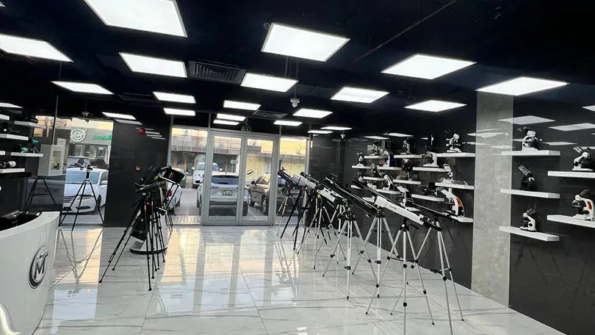
With over 25 years of experience in Iran and 15 years of active presence in Dubai, we have built a trusted reputation in the field of astronomical equipment. In Iran, our services operate under dubaitelescope.com, while in Dubai, we are known as Magic Shop.
Over the years, we have observed a major shift in the telescope industry. Many well-known brands, such as Orion and Meade, have gradually been discontinued or reduced their solar product lines. This has created a gap in the market for reliable, high-quality solar instruments.
In this changing landscape, modern Reflector Telescopes have also become an important option for users looking for versatile and high-performance alternatives.
We understand exactly what customers need: reliable performance, safe solar viewing, and long-term durability. That’s why we focus on offering carefully selected alternatives that match or even exceed older discontinued models. Instead of limiting choices, we help customers find the right replacement with better value and modern technology.
Recommended Solar Telescope Options from Our Collection
Our collection includes:
- Lunt 40 mm H-Alpha Solar Telescope - B600, Helical Focuser
- Lunt 100mm Universal Day & Night Telescope - B1800
- Lunt 130mm Universal Day & Night Telescope - B1200
- Lunt 40 mm H-Alpha Solar Telescope - B600, R&P Focuser
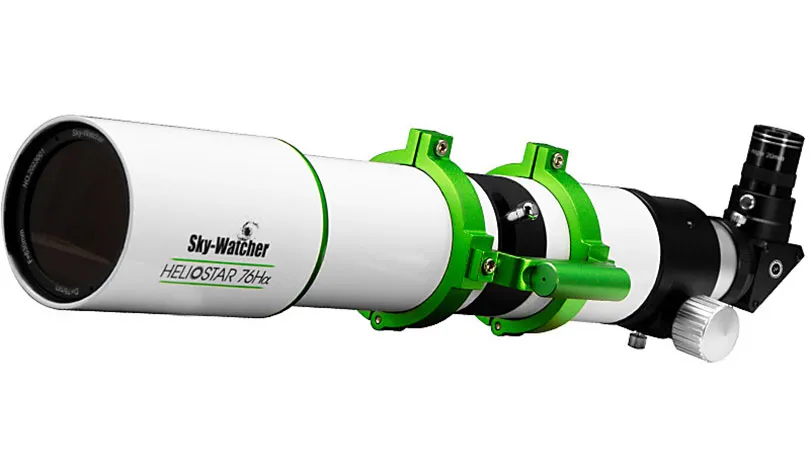
- Sky-Watcher Heliostar 76 H-Alpha OTA
Each product is selected based on safety standards, optical performance, and Refractor Telescope long-term reliability. We help customers choose the right system based on their experience level and observation goals.
Conclusion
Solar observation is one of the most exciting areas in astronomy, but it requires the right tools and safety precautions. A Solar Telescope is the only safe and effective way to study the Sun’s surface in detail without risking eye damage or equipment failure.
With advancements in optical technology and filtering systems, solar astronomy has become accessible to everyone, from beginners to professional researchers. Whether you are using a simple solar scope or an advanced hydrogen-alpha system, the experience of observing the Sun is both educational and inspiring.
If you are looking to start or upgrade your solar observation journey, choosing the right equipment is the most important step, and today, there are more high-quality options available than ever before.
FAQ
No, you must use proper solar filters or a dedicated solar telescope to avoid eye damage.
Using a certified solar telescope with built-in filtering is the safest method.
You can observe sunspots, solar flares, prominences, and surface granulation.
No, many beginner-friendly models are easy to use with basic instructions.

No Comments