

Choosing binoculars shouldn't feel like a chore. The perfect pair is like a superpower for your eyes; it can transform a distant, blurry speck into a vibrant goldfinch, pull jagged mountain peaks into sharp focus, put you right on the field at a crowded stadium, or unveil the hidden craters of the moon.
But pick the wrong pair, and you’re left with a heavy, shaky weight around your neck that leaves you with dim views and a headache.
This guide strips away the technical jargon to give you a clear, honest look at the main types of binoculars. We’ll show you exactly what each design excels at, and where it falls short, so you can confidently choose the perfect companion for your next real-world adventure.
What Are Binoculars and What Are Their Main Parts?
Binoculars are optical devices made of two small telescopes placed side by side, allowing users to view distant objects clearly with both eyes. They are commonly used for birdwatching, travel, hunting, sports, marine viewing, stargazing, and even theater performances.
A good pair of binoculars makes faraway scenes appear closer, brighter, and more detailed while offering a natural and comfortable viewing experience. In large theaters, where seats may be far from the stage, binoculars can also help viewers see actors, costumes, facial expressions, and stage details more clearly.
- Objective Lenses: The front lenses that collect light and help create a brighter image.
- Eyepieces: The lenses you look through to see the magnified view.
- Prisms: Internal glass parts that correct the image direction and make it appear upright.
- Focus Wheel: The central wheel used to sharpen the image.
- Diopter Adjustment: A small control that helps balance the focus between your left and right eyes.
- Body or Housing: The outer frame that holds all optical parts together.
- Eyecups: Soft or adjustable parts around the eyepieces that improve comfort, especially for users with glasses.
- Lens Coatings: Special layers on the glass that allow more light to pass through, improving brightness, contrast, and image clarity while reducing glare and reflections.
What Do Binocular Numbers Mean?
Most binoculars are described with two numbers, such as 8x42, 10x50, or 15x70. The first number shows magnification. For example, 10x means the subject appears ten times closer than it does with the naked eye. The second number shows the diameter of the objective lenses in millimeters. Larger objective lenses gather more light, which helps create brighter images, especially in low light.
An 8x42 pair is usually easy to hold steady and offers a wide field of view. A 10x42 pair gives more reach but may show a little more hand movement. A 10x50 or 12x50 pair gives more light and distance, but it is usually bigger. Large astronomy models such as 15x70, 20x80, or 25x100 often need a tripod for the best experience.
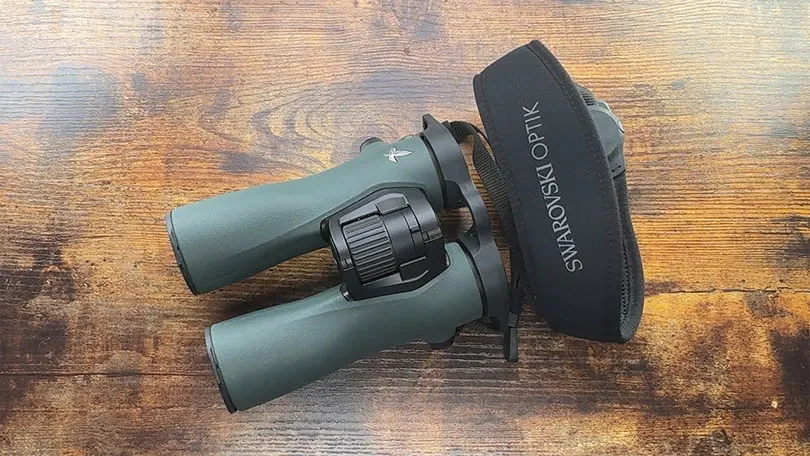
Types of Binoculars
Types of Binoculars are divided based on their design, size, magnification, lens power, and intended use. Binoculars are not a one-size-fits-all tool; the right pair depends on where and how you plan to use them. A model made for birdwatching may not be the best choice for marine viewing, sports events, hunting, travel, or stargazing.
That is why understanding the main differences between binocular designs and use cases can help you choose a pair that feels comfortable, performs well, and gives you the clearest view for your specific needs.
Roof Prism Binoculars
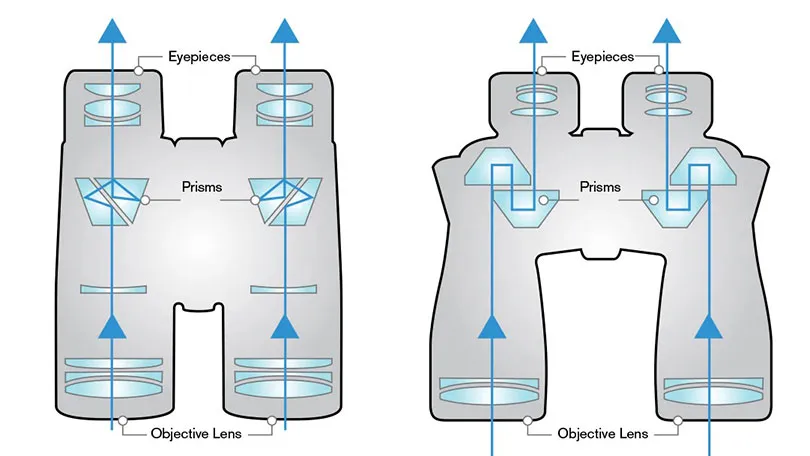
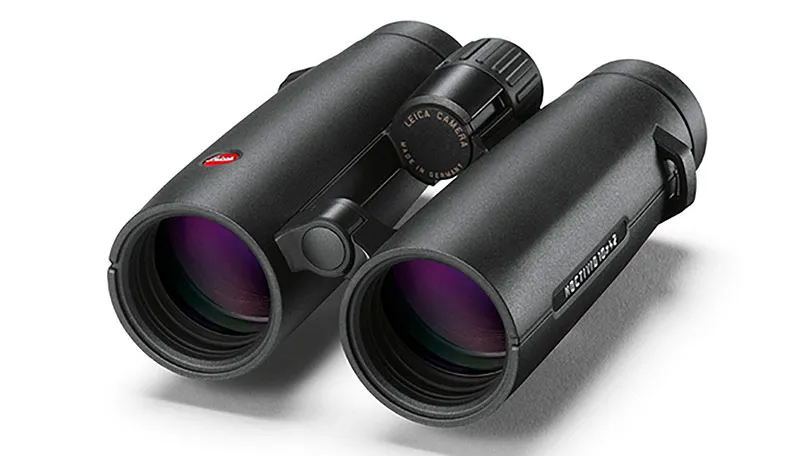
Roof prism binoculars have a straight, slim body. The eyepieces and objective lenses line up in a compact shape, which makes them easier to carry and more comfortable for travel, hiking, birding, hunting, and general outdoor use.
Modern roof prism binoculars can be excellent, especially when they include phase-coated prisms, dielectric coatings, ED glass, waterproof sealing, and nitrogen or argon filling. They are often more expensive than basic Porro prism models because the optical design requires more precision.
Choose roof prism binoculars if you want a lightweight, durable, modern pair that is easy to carry and use in different conditions.
Porro Prism Binoculars
Porro prism binoculars have a wider, offset body shape. The objective lenses sit farther apart than the eyepieces. This older design is often bulkier, but it can offer excellent depth, strong light transmission, and good image quality at a lower price.
Porro prism models are popular for astronomy, marine use, and budget-friendly outdoor viewing. Many large-aperture astronomy binoculars use Porro prisms because the design works well with bigger lenses and strong light gathering.
Choose Porro prism binoculars if you want good optical performance for the price and do not mind a larger body.
Compact Binoculars
Compact binoculars usually come in sizes such as 8x25, 10x25, 8x30, or 10x30. They are made for people who care about portability. They fit easily in a bag, backpack, glove box, or travel pouch.
They are useful for city trips, concerts, stadiums, hiking, and casual sightseeing. The main trade-off is brightness. Smaller lenses gather less light, so compact models work best in daylight. They may not be ideal for dawn, dusk, forest shade, or astronomy.
Buy compact binoculars if you want something light and easy to carry every day.
Full-Size Binoculars
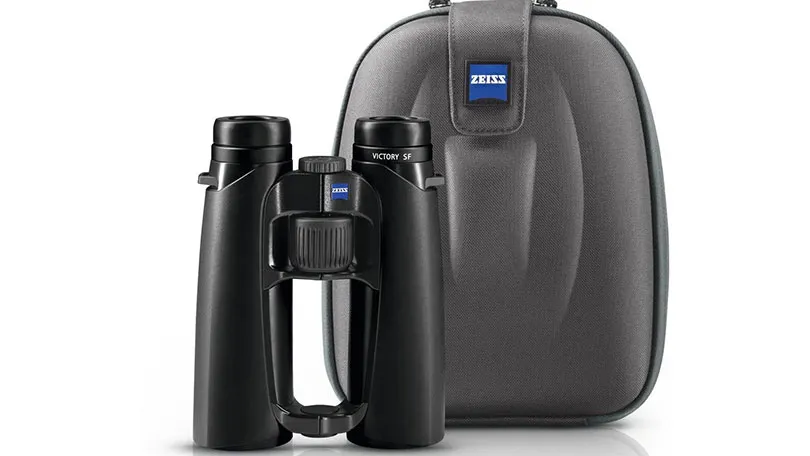
Full-size binoculars usually include 8x42, 10x42, 10x50, or 12x50 models. These are among the most useful choices for outdoor viewing because they balance brightness, detail, comfort, and portability.
For many users, 8x42 is the easiest all-around option. It gives a wide field of view and a steady image. A 10x42 model is better when you need more reach for wildlife, safari, hunting, or distant landscapes. A 10x50 model gathers more light, making it useful for low-light outdoor use and casual stargazing.
Buy full-size binoculars if you want a single pair that handles many situations well.
Birdwatching Binoculars
Birdwatching binoculars should offer a wide field of view, sharp focus, natural color, and comfortable handling. Many birders prefer 8x42 because it is bright, stable, and makes it easier to follow moving birds. Some users choose 10x42 when they need more reach for open fields, wetlands, or distant birds.
Close focus is also important. If you enjoy watching insects, flowers, or small birds nearby, look for a model with a short close-focus distance. Waterproof and fogproof protection is useful because birding often takes place in changing weather conditions.
Buy birdwatching binoculars if you need fast focus, a comfortable grip, and clear detail for moving subjects.
Travel Binoculars
Travel binoculars should be light, reliable, and easy to pack. A 10x30, 8x30, 8x32, or compact 8x25 model can work well. For city views, architecture, coastlines, mountain trips, and outdoor events, you do not always need large lenses.
If portability is your main priority, exploring Travel & Compact Binoculars can help you find smaller models that are easier to carry while still offering clear and comfortable views.
The key is balance. A pair that is too heavy may stay in your hotel room. A pair that is too small may feel dim. For premium travel use, a high-quality 10x30 or 8x32 can be a smart choice because it gives useful reach without too much weight.
Buy travel binoculars if you want quality views without carrying bulky gear.
Sports and Event Binoculars
For stadiums, concerts, theater, and outdoor events, a wide field of view and easy handling matter more than extreme power. A compact 8x25, 10x25, or 8x32 model is usually enough.
If you want a pair designed for clear and comfortable viewing during live action, Sporting Events Binoculars can be a practical choice for these situations.
Very high magnification is not always helpful at events because the image may feel shaky, and the field of view becomes narrow. You want to follow movement easily, not struggle to find the subject. Buy sports binoculars if you want a closer view of action while keeping the pair small and simple.
Hunting and Safari Binoculars
Hunting and safari binoculars need durability, contrast, and low-light performance. Many users prefer 10x42, 10x50, 12x50, or rangefinder binoculars, depending on distance and environment.
For forest or brush, an 8x42 can be easier to handle. For open plains, mountains, desert, or long-range scanning, 10x42 or 12x50 gives more detail. Waterproofing, rubber armor, good grip, and strong lens coatings are important because these binoculars are often used in rough outdoor conditions.
If you want a more focused guide before choosing, our Best Binoculars for Hunting article can help you compare suitable options for different hunting needs.
Buy hunting or safari binoculars if you need a tough pair that performs well at distance and in early morning or late evening light. You can also explore our Wildlife & Safari Binoculars to find models designed for outdoor tracking, wildlife viewing, and long-range observation.
Marine Binoculars
Marine binoculars are usually 7x50. This combination gives a bright image, a wide view, and more stable handheld viewing on moving water. Many marine models include waterproofing, fogproofing, a compass, reticle, or distance calculator.
If you need reliable optics for boating, fishing, or coastal trips, Marine & Sailing Binoculars are designed to perform well in wet and moving environments.
Higher magnification can be difficult on a boat because movement makes the image shake. That is why 7x50 is still a trusted marine format. Buy marine binoculars if you need reliable viewing around boats, coastlines, fishing trips, or wet outdoor environments.
Astronomy Binoculars
Astronomy binoculars usually have larger objective lenses, such as 10x50, 15x70, 20x80, or 25x100. The larger lenses gather more light and help reveal the Moon, star clusters, bright nebulae, and wide Milky Way fields.
A 10x50 pair can be handheld for casual stargazing. A 15x70 model gives more detail but is better with a tripod. Bigger models, such as 20x80 or 25x82, are more serious and usually need stable mounting. Buy astronomy binoculars if your main goal is night-sky viewing and you are comfortable using a tripod for larger models.
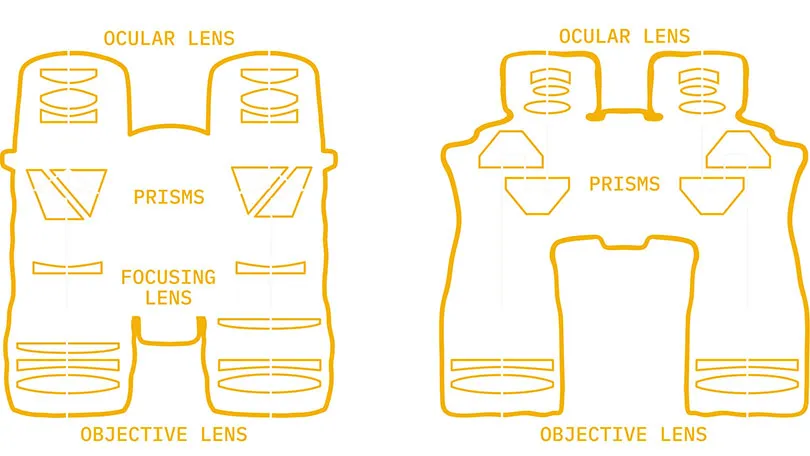
Image-Stabilized Binoculars
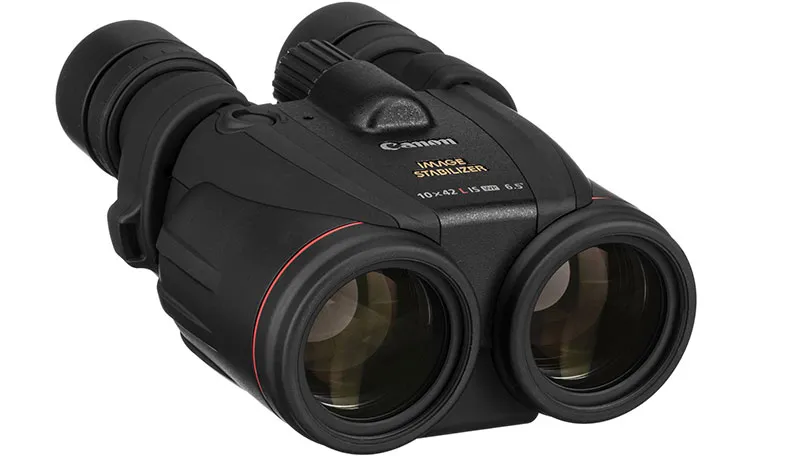
Image-stabilized binoculars use built-in stabilization to reduce hand shake. They are helpful at higher magnifications such as 10x, 12x, 14x, or 20x. They are useful for birding, boating, astronomy, travel, and long-distance viewing.
The downside is price, weight, and battery dependence. Still, for users who struggle with shaky handheld views, image stabilization can make a major difference. Buy image-stabilized binoculars if you want a steady image without always using a tripod.
Zoom Binoculars
Zoom binoculars allow variable magnification, such as 10-30x50. They sound attractive because one pair can cover different distances.
ances. However, they often have trade-offs in brightness, field of view, sharpness, and stability at high magnification.
They can be fun for casual use, but many serious users prefer fixed-magnification binoculars because they usually offer better optical quality and easier handling. Buy zoom binoculars if you want flexibility for casual viewing, but choose carefully if image quality is your top priority.
Binocular Buying Guide
If you want binocular types explained most simply, start with your activity first:
- Birding: 8x42 or 10x42
- Travel: 8x25, 10x25, 8x30, or 10x30
- Sports: 8x25, 10x25, or 8x32
- Hunting: 10x42, 10x50, or 12x50
- Safari: 8x42 or 10x42
- Marine: 7x50 waterproof binoculars
- Astronomy: 10x50, 15x70, 20x80, or larger
- General use: 8x42 or 10x42
The best types of binoculars are not always the most powerful ones. They are the ones that match your hands, your eyes, your activity, and your budget. If you are still unsure whether binoculars are the right choice for your needs, this Monocular vs Binocular guide can help you compare both options before buying.
What Features Should You Check Before Buying?
- Magnification: Higher magnification brings subjects closer, but it can also reduce the field of view and increase hand shake. For handheld use, 8x and 10x are usually the safest choices.
- Objective Lens Size: Larger lenses gather more light. A 42mm lens is a strong all-around size. A 50mm lens is better for low light. A 70mm or 80mm lens is better for astronomy, but usually needs support.
- Field of View: A wider field of view makes it easier to follow birds, animals, players, and moving subjects. This is very important for birding and sports.
- Eye Relief: Eye relief matters if you wear glasses. Longer eye relief helps you see the full image comfortably.
- Waterproofing and Fogproofing: For outdoor use, choose waterproof and fogproof binoculars. Nitrogen-filled or argon-filled models help prevent internal fogging.
- Lens Coatings: Fully multi-coated optics improve brightness and contrast. Better coatings can make a clear difference in real outdoor conditions.
- Weight and Comfort: A heavy pair may offer better light gathering, but it can become tiring. Always match size to your activity.
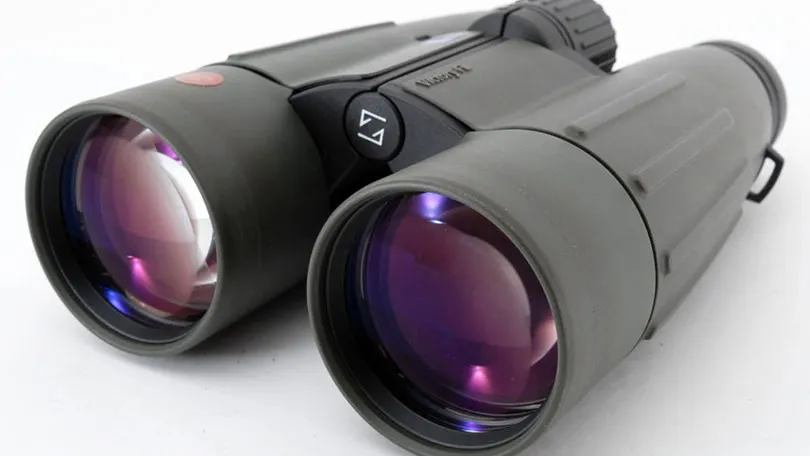
10 Professional Binoculars Known Worldwide
- Swarovski NL Pure 10x42: A premium choice for serious birders, wildlife watchers, and professionals who want wide views, excellent sharpness, and top-level comfort.
- Zeiss Victory SF 10x42: Known for its wide field of view, bright image, and advanced optical performance, especially for birding and nature observation.
- Leica Noctivid 10x42: A high-end binocular with excellent contrast, rich color, and premium build quality for users who want a refined viewing experience.
- Canon 10x42 L IS WP: A strong image-stabilized option for users who want steady handheld viewing at 10x magnification.
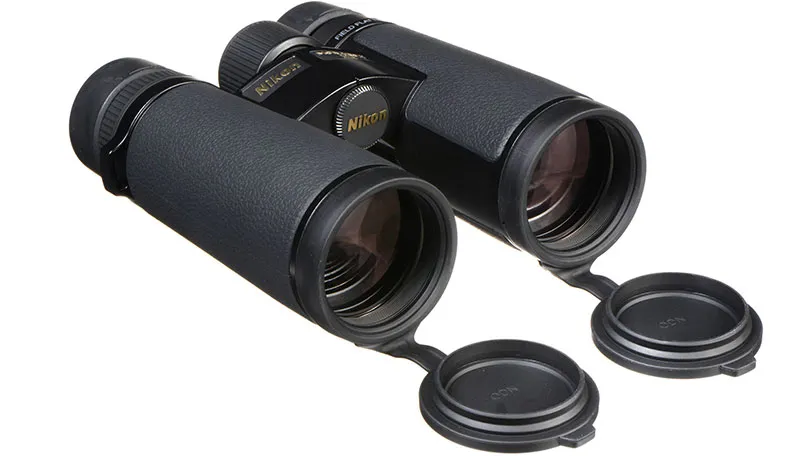
- Nikon Monarch HG 10x42: A premium lightweight option with strong clarity, weather resistance, and practical all-around performance.
- Vortex Razor UHD 10x42: A professional-grade outdoor binocular for hunting, wildlife, and long-range viewing with strong optical quality.
- Kowa Genesis 10.5x44: A respected high-performance binocular with excellent color correction and sharpness.
- Fujinon Techno-Stabi TS-X 14x40: A powerful stabilized binocular for marine, wildlife, and long-distance viewing.
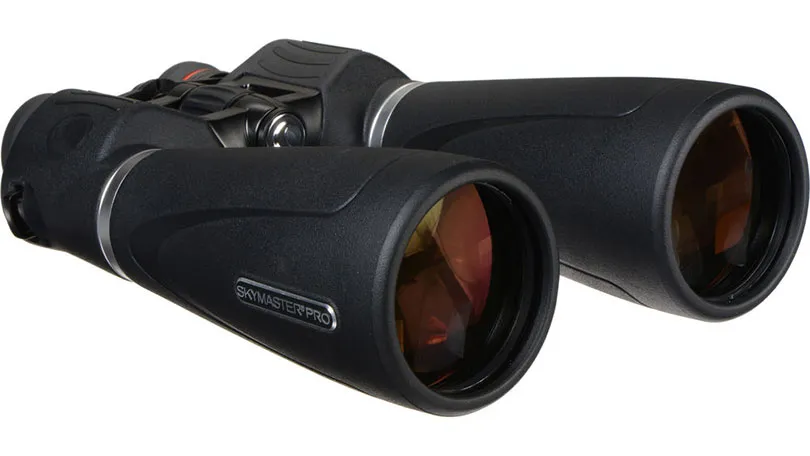
- Celestron SkyMaster Pro 20x80: A popular large-aperture astronomy binocular for deep-sky observing and long-range use with a tripod.
- Nikon WX 10x50 IF: A premium wide-field astronomy binocular designed for exceptional night-sky views.
Why Buy from Us?
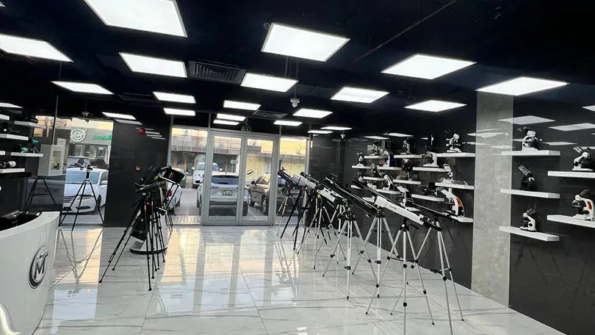
When you are choosing optical equipment, you need more than a product list. You need guidance from people who understand real viewing needs. We have a successful history of selling and supporting optics for 25 years in Iran and 15 years in Dubai. In Iran, we are known as dubaitelescope.com, and in Dubai, we are known as Magic Shop.
Our goal is simple: to help you choose quality products that fit your use, your budget, and your expectations. Whether you need binoculars for travel, birdwatching, marine use, astronomy, or regular outdoor viewing, we can help you fill that need with reliable, well-selected products.
Recommended Products from Dubai Telescope
- Athlon Optics Midas G2 UHD 10x42 Binoculars: A strong all-around 10x42 choice for outdoor users who want reach, clarity, and practical portability. It suits birding, travel, safari, and general observation.
- Binoculars Victory FL 8x56 T-FL, black: A premium low-light model with large 56mm objective lenses. It is suitable for users who care about brightness, steady 8x viewing, and high-end optical performance.
- Burris Signature HD 12x50 Binoculars: A strong long-range option with 12x magnification and 50mm objective lenses. It is a good fit for hunting, wildlife, open landscapes, and distant outdoor viewing.
- Celestron Nature DX 10x42 Binoculars: A practical 10x42 model for birdwatching, hiking, wildlife, and everyday outdoor use. It offers a good balance of magnification, field of view, and portability.
- Vortex Diamondback HD 10x50 Binoculars: A durable 10x50 option for users who want more brightness than compact models. It is useful for wildlife, low-light viewing, sports, and long-range outdoor observation.
- Swarovski CL Companion 10x30 Binoculars: A premium compact choice for travel, events, city viewing, and nature observation. It is ideal for customers who want high optical quality without a bulky body.
- Celestron Skymaster 15x70 Pro Binoculars: A large-aperture astronomy model with 15x magnification and 70mm lenses. It is a strong choice for Moon viewing, stargazing, and long-distance observation with tripod support.
- NightSky 25x82 ED Binoculars: A serious astronomy and long-range binocular with 25x magnification, 82mm objective lenses, and ED optical elements. It is best for users who want more detail and are ready to use stable support.
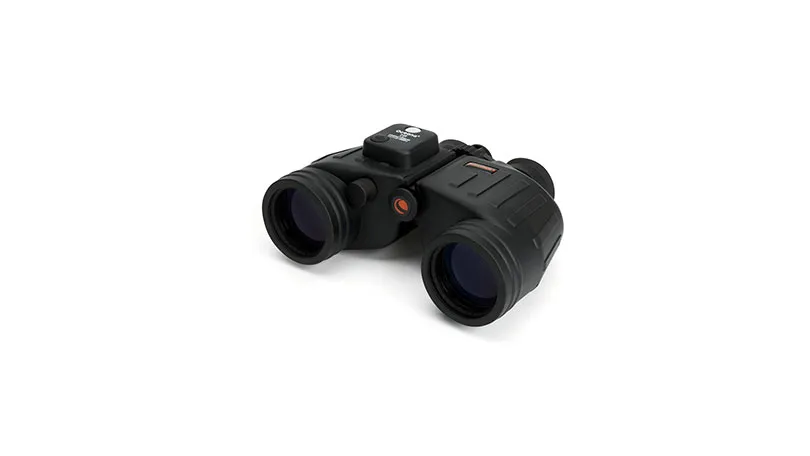
- Celestron Oceana 7x50 Binoculars: A marine-focused 7x50 model with waterproofing, fogproofing, compass, reticle, and distance features. It is ideal for boating, coastal use, and all-weather viewing.
Final Thoughts
The best binoculars are not simply the largest, most expensive, or most powerful pair. The best pair is the one you will actually enjoy using. For birding, choose a wide and steady 8x42 or 10x42. For travel, go compact. For marine use, choose waterproof 7x50.
For astronomy, choose larger lenses and consider a tripod. For long-range wildlife or hunting, look at 10x50 or 12x50 models. Once you match the binoculars to your real activity, the decision becomes much easier. A well-chosen pair gives you brighter views, sharper details, and a more comfortable experience every time you use it.
FAQ
For most users, 8x42 or 10x42 is the best general-use size.
10x gives more reach, but 8x is usually steadier and offers a wider field of view.
8x42 is a popular birdwatching choice because it is bright, steady, and easy to use.
10x50 is good for casual handheld stargazing, while 15x70 or larger models are better with a tripod.
Yes, compact binoculars are good for travel, events, and daylight use, but they are less bright in low light.
For outdoor, marine, travel, hunting, or birding use, waterproof and fogproof binoculars are highly recommended.

No Comments