

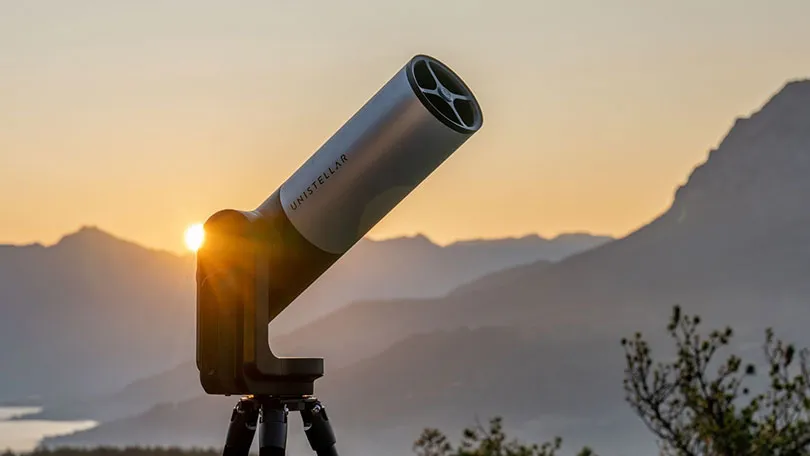
Have you ever gazed at the night sky and wondered what magnificent nebulae, distant galaxies, and stellar clusters lie beyond your naked eye's reach? Astrophotography isn't just about taking pictures of the stars; it's about transforming your passion for the cosmos into stunning visual records that rival professional observatory images.
But here's the truth: not every telescope is suitable for astrophotography. Visual observation telescopes and imaging telescopes have fundamentally different requirements. Long-exposure imaging demands exceptional tracking accuracy, optical precision, and a rock-solid mount that many entry-level visual telescopes simply cannot provide.
The question you're asking is critical: Which telescope for astrophotography will truly deliver results?
In this comprehensive guide, we'll walk you through the 10 best telescopes for astrophotography across all price ranges and experience levels. Whether you're a complete beginner or an experienced amateur astronomer, you'll discover the perfect instrument to start your cosmic photography journey. We'll break down specifications, compare performance, and show you exactly why these telescopes stand apart from the rest.
Why Choosing the Right Telescope for Astrophotography Matters
Before diving into our top 10 picks, let's understand what makes a telescope for astrophotography different:
- Optical Quality: Astrophotography demands pixel-perfect sharpness. Your telescope needs excellent color correction, minimal aberrations, and a flat focal plane.
- Tracking Precision: Long exposures require mounts that track celestial objects with sub-arcsecond accuracy. This is non-negotiable for deep-sky imaging.
- Optical Design: Different designs serve different purposes. Some excel at wide-field nebula imaging, while others specialize in planetary details.
- Practical Considerations: Portability, weight, maintenance requirements, and cost all influence your success and enjoyment.
Over the past 25 years, we've guided thousands of astrophotographers in Iran through dubaitelescope.com, and for the last 15 years, we've been serving the Dubai astronomy community as Magic Shop. We've seen what works and what disappoints. This experience forms the foundation of our recommendations.
Best Telescope Types for Beginner Astrophotographers
For most beginners, an APO refractor is often the best telescope for astrophotography because it is easy to use, requires very little maintenance, and delivers sharp, high-contrast images with excellent color correction. Since there are many different Types of Telescopes available, choosing the right design is essential for a successful start in the hobby.
Unlike Newtonian reflectors, APO refractors do not need frequent collimation (mirror alignment), making them far less frustrating for new users who are still learning tracking, focusing, and image processing. Newtonian telescopes can produce impressive deep-sky results at a lower cost, but their larger size, sensitivity to alignment issues, and heavier mounting requirements create a steeper learning curve.
Schmidt-Cassegrain Telescopes (SCTs) are extremely versatile and powerful, especially for planetary imaging, but their long focal lengths make tracking and focusing more challenging for beginners.
They also require more experience with accessories such as reducers, guiding systems, and precise mount balancing. For someone just starting astrophotography, a small to medium APO refractor on a reliable equatorial mount usually provides the smoothest and most enjoyable learning experience.
10 Best Telescopes for Astrophotography
Choosing the right gear is all about what you want to capture, from expansive nebulae to the Moon's craters. Here is a simple guide to the Best Telescopes for Astrophotography to help you find the perfect match for your specific goals.
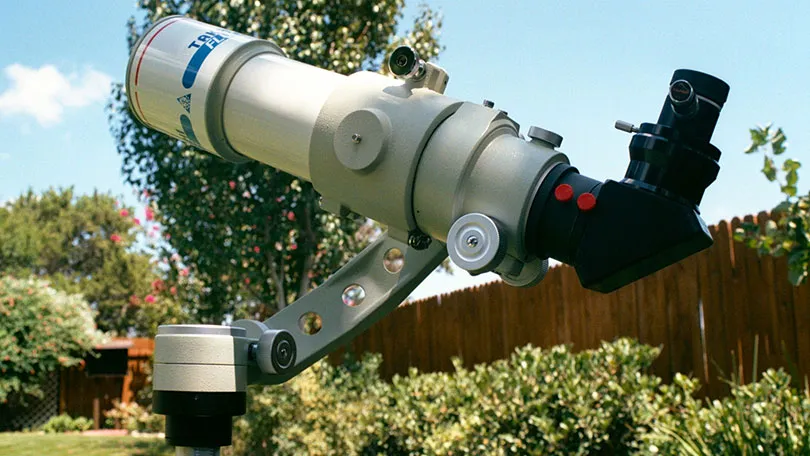
1. Takahashi FSQ-85ED (f/5.3 Quadruplet APO Refractor)
- Type: Apochromatic Refractor
- Aperture: 85mm
- Focal Length: 450mm
- Price Range: $3,800–$4,200
The Takahashi FSQ-85ED represents the gold standard for wide-field astrophotography. Its quadruplet lens design delivers exceptional color correction and an incredibly flat field of view. Professional and serious amateur astrophotographers consistently choose this telescope for nebulae and deep-sky objects.
Why it's among the best telescopes for astrophotography:
- Unmatched optical quality with virtually zero chromatic aberration
- Wide, flat field ideal for capturing large nebulae and star clusters
- Compact and portable (weighs only 5.4 kg)
- No collimation required, minimal maintenance
- Future-proof investment
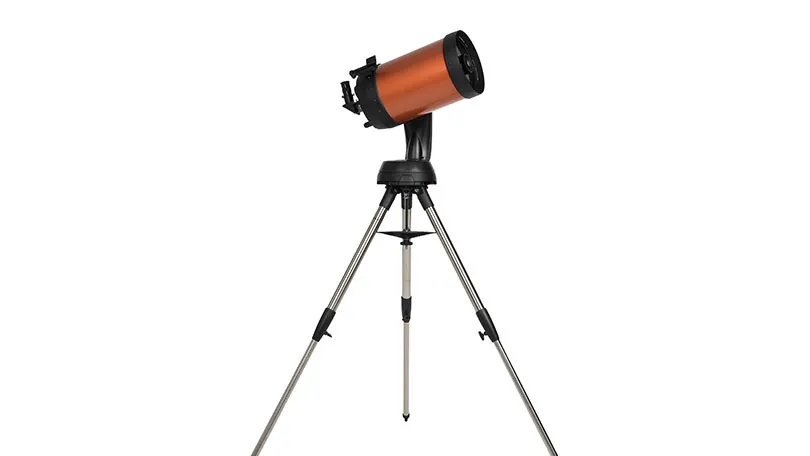
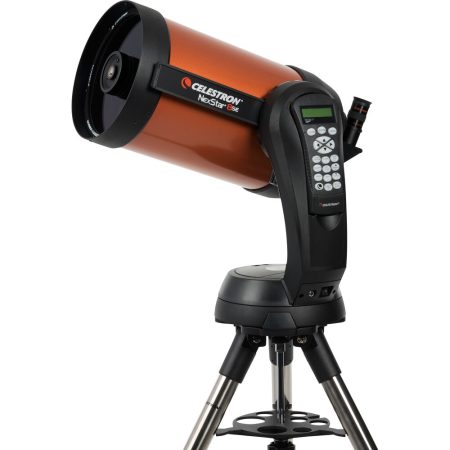
2. Celestron NexStar 8SE (f/10 Schmidt-Cassegrain)
The NexStar 8SE combines versatility with affordability. Its computerized GoTo mount makes locating faint objects effortless, while its long focal length excels at planetary and lunar imaging. This telescope for astrophotography is perfect for those wanting to do both visual observation and imaging.
- Type: Computerized Catadioptric
- Aperture: 203mm
- Focal Length: 2,030mm
- Price Range: $1,200–$1,500
Why it's among the best telescopes for astrophotography:
- Excellent light-gathering power for deep-sky objects
- Computerized GoTo mount saves imaging time
- Compact tube design, highly portable
- Great for planetary/lunar astrophotography
- Proven reliability and a widespread support community
3. Skywatcher Esprit 80ED (f/7.5 Triplet APO Refractor)
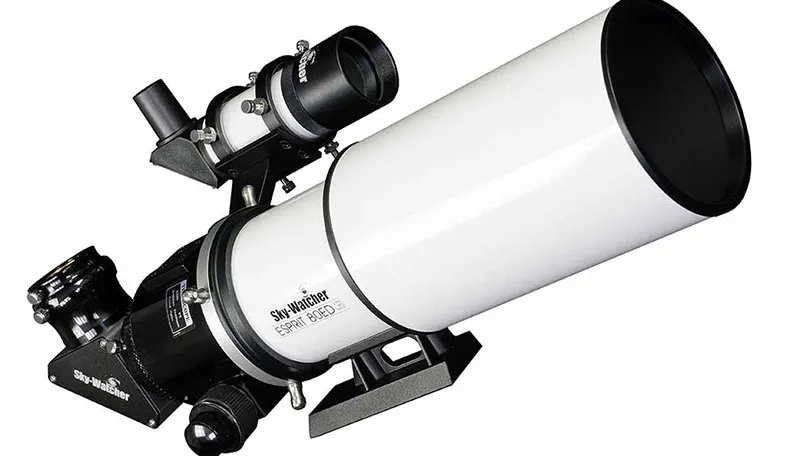
The Sky-Watcher Esprit series stands out as an elite mid-range contender for astrophotographers seeking professional-grade performance without the typical luxury markup. By integrating premium ED glass with a built-in field flattener, this Refractor Telescope ensures pinpoint, sharp stars across the entire frame while eliminating the need for expensive additional corrective optics.
Weighing in at a manageable 4.2 kg, it offers an ideal focal length for both wide and medium-field imaging, making it a highly versatile and cost-effective choice for those transitioning from beginner to intermediate levels.
- Type: Apochromatic Refractor
- Aperture: 80mm
- Focal Length: 600mm
- Price Range: $1,400–$1,700
4. Meade 8-Inch f/10 LX90 ACF (Advanced Catadioptric Fork)
- Type: Advanced Catadioptric
- Aperture: 203mm
- Focal Length: 2,032mm
- Price Range: $1,600–$2,000
While Meade has adjusted their product lineup, the LX90 ACF remains a capable astrophotography platform for those seeking used models or institutional setups. For current alternatives, consider modern equivalents that provide similar performance with updated technology.
5. Explore Scientific 102mm ED Triplet (f/7 APO Refractor)
- Type: Apochromatic Refractor
- Aperture: 102mm
- Focal Length: 714mm
- Price Range: $1,800–$2,100
Combining impressive light-gathering power with a streamlined design, this Explore Scientific triplet ED refractor is an ideal choice for astrophotographers who demand a larger aperture without the burden of excessive weight.
By integrating a built-in field flattener, it eliminates the need for extra accessories while ensuring sharp, edge-to-edge clarity across the entire frame, perfect for capturing the intricate details of faint nebulae and distant galaxies. Its superior optical coatings further enhance image quality by minimizing reflections, making it a portable yet powerful solution for those seeking professional-grade results with minimal complexity.
6. Celestron C6-SGT (6-Inch f/10 Computerized Schmidt-Cassegrain)
- Type: Computerized Catadioptric
- Aperture: 152mm
- Focal Length: 1,500mm
- Price Range: $1,400–$1,700
A compact telescope for astrophotography that combines portability with serious imaging capability. The C6 aperture is the sweet spot, large enough for faint objects, manageable for transport.
Why it's among the best imaging telescopes:
- Computerized tracking with excellent accuracy
- Perfect aperture for planetary and deep-sky work
- More affordable than larger SCTs
- Great stability even with modest mounts
- Proven design with decades of refinement
7. William Optics GTF Titan 51 (f/4.9 Quadruplet Fluorite)
- Type: Premium Quadruplet Refractor
- Aperture: 51mm
- Focal Length: 250mm
- Price Range: $1,300–$1,600
The William Optics GTF Titan 51 is a compact and lightweight telescope designed for wide-field astrophotography and travel-friendly use. Weighing only 1.8 kg, it is easy to carry to dark-sky locations and works especially well for capturing large nebulae, Milky Way scenes, and star fields.
Its high-quality fluorite glass provides sharp images, strong contrast, and excellent color correction with very little chromatic aberration. While it is beginner-friendly in terms of portability, users should still expect to spend time on proper polar alignment, mount setup, and focusing to achieve clean long-exposure astrophotography results.
8. Orion SkyQuest XT10i IntelliScope (10-Inch f/4.7 Reflector)
- Type: Computerized Dobsonian Reflector
- Aperture: 254mm
- Focal Length: 1,200mm
- Price Range: $800–$1,000
Note: While Orion has discontinued certain models, quality alternatives with modern computerized systems now dominate the market. Excellent used XT10i units are still available, and new Dobsonians from current manufacturers offer comparable or superior performance with updated electronics.
The XT10i remains a powerhouse for those prioritizing light-gathering on a budget. The fast f/4.7 ratio excels at capturing faint nebulae.
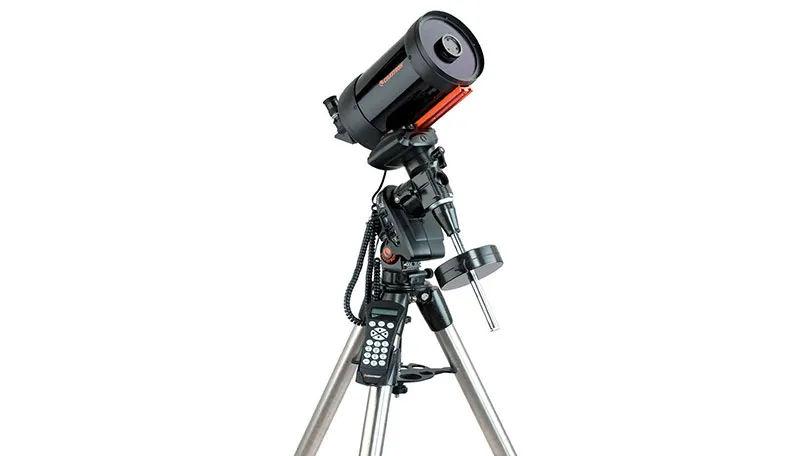
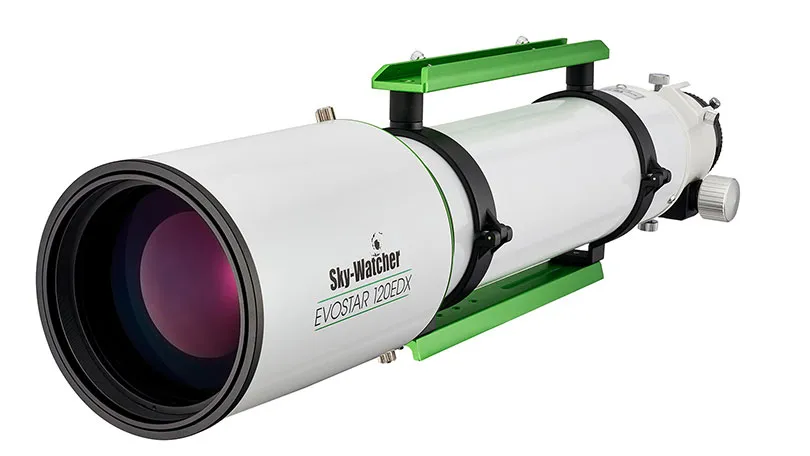
9. Skywatcher HEQ5 Pro Mount with Skywatcher 120mm ED Refractor (f/8.75)
- Type: Equatorial Mount System
- Aperture: 120mm
- Focal Length: 1,050mm
- Price Range: $1,600–$2,000
More than just a telescope for astrophotography, this is a complete imaging system. The HEQ5 Pro mount is legendary for reliability and tracking accuracy. The 120mm ED refractor provides excellent aperture for deep-sky work.
Why it's among the best telescopes for astrophotography:
- Bulletproof German equatorial mount
- Excellent balance of aperture and focal length
- GoTo capability with periodic error correction
- Highly reliable and supported worldwide
- Best value for a complete astrophotography system
10. Vixen ED80S Apochromatic Refractor on Vixen AXD Equatorial Mount
- Type: APO Refractor on Premium Equatorial Mount
- Aperture: 80mm
- Focal Length: 600mm
- Price Range: $2,200–$2,700
Vixen's premium offerings represent Japanese optical engineering at its finest. The AXD mount is remarkably compact yet capable of supporting substantial payloads with exceptional stability.
Why it's among the best astrophotography telescopes:
- Impeccable Japanese optical quality
- AXD mount offers an excellent balance of weight and capability
- Compact design, fits in car trunks
- Renowned reliability and precision
- Premium choice for serious amateurs
Comparison of Best Astrophotography Telescopes
| Telescope for Astrophotography | Aperture | Focal Length | f-Ratio | Type | Price (USD) | Best For |
|---|---|---|---|---|---|---|
| Takahashi FSQ-85ED | 85mm | 450mm | f/5.3 | APO Refractor | $3,800–$4,200 | Wide-field nebulae, premium quality |
| Celestron NexStar 8SE | 203mm | 2,030mm | f/10 | SCT (Computerized) | $1,200–$1,500 | Planetary imaging, versatility |
| Skywatcher Esprit 80ED | 80mm | 600mm | f/7.5 | APO Refractor | $1,400–$1,700 | Beginners, wide-field imaging |
| Explore Scientific 102mm | 102mm | 714mm | f/7 | APO Refractor | $1,800–$2,100 | Moderate aperture, good light-gathering |
| Celestron C6-SGT | 152mm | 1,500mm | f/10 | SCT (Computerized) | $1,400–$1,700 | Planetary & deep-sky balance |
| William Optics Titan 51 | 51mm | 250mm | f/4.9 | Quadruplet Refractor | $1,300–$1,600 | Ultra-wide field, portability |
| Skywatcher XT10i | 254mm | 1,200mm | f/4.7 | Dobsonian (Computerized) | $800–$1,000 | Budget deep-sky, light-gathering |
| Skywatcher 120mm + HEQ5 | 120mm | 1,050mm | f/8.75 | APO + EQ Mount System | $1,600–$2,000 | Complete entry system |
| Vixen ED80S + AXD | 80mm | 600mm | f/7.5 | APO + Premium EQ Mount | $2,200–$2,700 | Premium compactness and reliability |
| Explore Scientific 80mm | 80mm | 480mm | f/6 | APO Refractor | $1,200–$1,500 | Cost-effective quality |
Adapting to the Evolving World of Astronomy
Drawing on decades of experience serving the astronomical communities in Iran and Dubai at Magic Shop, we have witnessed the industry’s evolution firsthand. When established brands like Orion or Meade discontinue specific models, we view it as a prime opportunity to upgrade your setup with modern alternatives that often surpass the "classics" in performance and value.
Instead of settling for outdated inventory, we guide you toward the latest innovations, featuring advanced coatings and superior GoTo systems, tailored specifically to your goals, whether you're imaging deep-sky nebulae or planetary details. Our focus is on transparency and providing high-performance, warrantied solutions that let you focus on the stars rather than the challenges of discontinued hardware.
Key Essentials for Successful Astrophotography
Here are the key essentials for successful astrophotography, organized for clarity:
- Select the Right Optical Design: Choosing the correct tube is your first step. APO refractors are excellent for wide-field shots, while Schmidt-Cassegrains are better for planetary work.
- Consider Your Budget and Goals: Dobsonians offer great light-gathering power for those on a budget. When exploring different Telescopes, always choose a model that matches your specific observation goals.
- Prioritize a Quality Mount: The mount is your most critical investment. A high-quality German equatorial mount ensures precise tracking and prevents blurry photos.
- Use Essential Accessories: Bridge the gap between your telescope and camera with a T-Ring, T-Adapter, and a field flattener for sharp edges.
- Incorporate Advanced Tools: Use an autoguiding system for long-exposure deep-sky photography to maintain pinpoint accuracy.
- Don't Forget Support Gear: Reliable power supplies and dew heaters are vital for keeping your equipment running and your optics moisture-free all night.
Conclusion
Choosing a telescope for astrophotography is a personal decision, but it doesn't need to be overwhelming. The 10 telescopes listed above represent the best across all experience levels, budgets, and imaging goals. Each has been field-proven by thousands of astrophotographers worldwide.
Whether you're drawn to the premium Japanese precision of Vixen optics, the affordability of Skywatcher systems, the versatility of Celestron's computerized options, or the unmatched optical quality of Takahashi's premium refractors, an excellent telescope for astrophotography awaits you.
The sky is vast. The cosmos is beautiful. Your next stunning image is just one good decision away.
We're here to help you make that decision. With 25 years of experience in Iran and 15 years in Dubai, we've guided countless astrophotographers to exactly the right telescope for astrophotography for their journey. Contact dubaitelescope.com or visit Magic Shop Dubai today.
Your universe awaits.
FAQ
Absolutely. An 80–100mm APO refractor on a quality mount consistently outperforms a larger telescope on an unstable one. Smaller apertures are portable, require lighter mounts, and are much more forgiving for beginners. The Skywatcher Esprit 80ED proves this daily.
For casual visual observing, star-hopping is fine. For astrophotography, GoTo is genuinely valuable; you'll spend 80% of your night imaging instead of searching. On a budget? A manual equatorial mount with accurate tracking works; GoTo simply speeds up your sessions.
Most imaging telescopes work fine for visual use, though they're not optimized for it. Wide-field APO refractors like the Takahashi work excellently for both. Narrow-field long focal length telescopes (designed for planets) are less pleasant for visual wide-field work. Choose based on your primary use.

No Comments